.jpg)


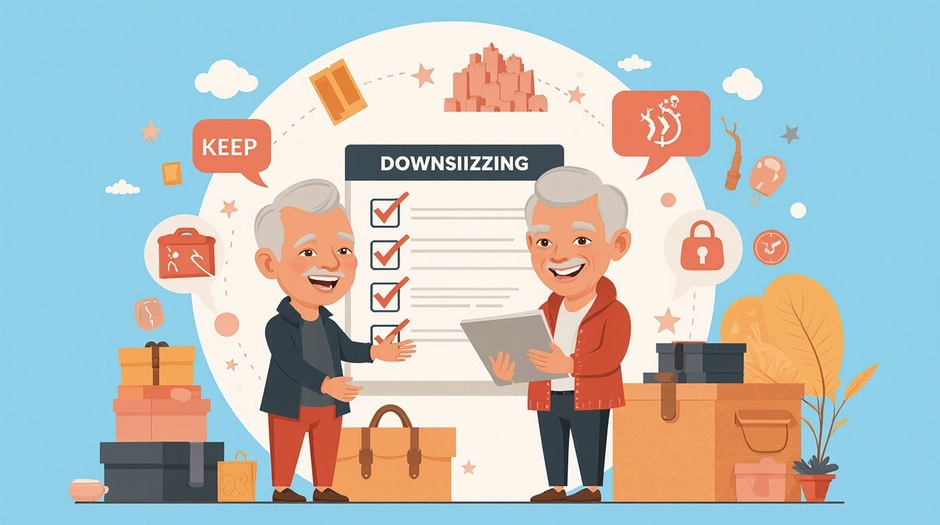
For many Colorado seniors, downsizing isn’t just a real estate decision—it’s an emotional and logistical journey that spans decades of memories, belongings, and life stages. Whether you’re preparing to move into a 55+ community, a patio home, or a low-maintenance townhome, the biggest question usually isn’t where to move—it’s what to do with everything you own.
From Fort Collins to Colorado Springs, seniors across the Front Range face the same challenge: deciding what to keep, donate, or sell—without regret or burnout. This step-by-step downsizing checklist is designed specifically for Colorado seniors, combining practical guidance with local insight so you can move forward confidently, calmly, and on your own terms.
Step 1: Understand Your Downsizing Goal (Before Touching a Single Box)
Before sorting items, define the destination.
Key Questions to Answer First
- How much smaller is my next home (square footage)?
- Will I have single-level living or stairs?
- Is storage included or limited by HOA rules?
- Am I downsizing permanently or temporarily?
Typical Colorado Downsizing Home Sizes
|
Housing Type |
Common Size Range |
|
1,200–2,200 sq ft |
|
|
Townhomes |
1,300–2,000 sq ft |
|
900–1,500 sq ft |
|
|
55+ homes |
1,200–2,000 sq ft |
📌 Why this matters:
Knowing your future space prevents keeping items that won’t fit—physically or functionally.
Step 2: Use the “Keep, Donate, Sell” System (The Only Method That Works)
The most effective downsizing approach is a three-category system—simple, repeatable, and decisive.
The Rule
Every item must go into one of these categories:
- Keep
- Donate
- Sell
Avoid a fourth category like “decide later.” That’s where progress stops.
Step 3: What to KEEP (Essentials + Meaningful Items)
Keeping everything defeats the purpose of downsizing—but keeping the right things creates comfort and continuity.
Items Most Seniors Should Keep
- Daily-use furniture that fits the new layout
- Frequently worn clothing
- Essential kitchen items (pared down sets)
- Important documents (digitized + physical copies)
- Medical equipment or aids
- A curated selection of sentimental items
Keep With Intention
Ask:
- Do I use this at least once a month?
- Will it fit comfortably in my new home?
- Does it serve a purpose or bring genuine joy?
📌 Pro tip:
Keep representative items (one photo album instead of ten, one heirloom piece instead of an entire set).
Step 4: What to DONATE (And Where in Colorado)
Donating is often the most emotionally satisfying part of downsizing.
Common Donation Items
- Gently used clothing and shoes.
- Extra kitchenware
- Books, décor, and linens
- Furniture that won’t fit the new space
Where Colorado Seniors Commonly Donate
- Local charities and shelters
- Church and community organizations
- Veterans’ donation groups
- Furniture banks and nonprofit resale shops
📌 Tax note:
Donations may be tax-deductible—keep receipts and item lists.
Step 5: What to SELL (And What’s Actually Worth Selling)
Selling items can help offset moving costs—but not everything has resale value.
Items Worth Selling
- Quality furniture in good condition
- Antiques or collectibles
- Jewelry, art, or coins
- Power tools or specialty equipment
Items Usually Not Worth Selling
- Large entertainment centers
- Used mattresses
- Outdated electronics
- Inexpensive décor
Selling Options
- Estate sales (best for large households)
- Online marketplaces (select items only)
- Consignment shops
- Auction services for specialty items
📌 Reality check:
Selling takes time and energy. If proceeds are minimal, donating may be the better choice, both emotionally and practically.
Step 6: Furniture-Specific Downsizing Checklist
Furniture is often the biggest obstacle for seniors downsizing.
Measure Before You Decide
- New room dimensions
- Doorway widths
- Elevator or stair access (if applicable)
Furniture to Reconsider
- Formal dining sets (often unused)
- Extra bedroom furniture
- Large sectionals
- Heavy wood pieces that are hard to move
Furniture That Downsizers Appreciate
- Comfortable seating
- Adjustable beds
- Lightweight, functional pieces
- Multi-purpose storage furniture
Step 7: Paperwork, Photos & Digital Downsizing
Paper clutter is one of the most underestimated downsizing challenges.
What to Keep (Physical)
- Birth, marriage, and legal documents
- Property and tax records
- Wills, trusts, and medical directives
What to Digitize
- Old photos
- Past bills and statements
- Instruction manuals
- Letters and keepsakes
📌 Use cloud storage or external drives, and share access with trusted family members.
Step 8: Downsizing With Pets in Mind
Pets influence what you keep more than many seniors expect.
Pet-Related Items to Review
- Extra beds and crates
- Old toys and leashes
- Excess food or supplies
HOA Reminder (Critical)
Many Colorado HOAs restrict:
- Pet size
- Number of pets
- Breed types
Always confirm pet rules before finalizing what to keep.
Step 9: Timeline Checklist (12–6–3 Month Plan)
12 Months Out
- Define the downsizing goal.
- Start decluttering storage areas.
- Research donation and estate sale options
6 Months Out
- Sell or donate large furniture.
- Digitize documents and photos
- Measure new home layout (if known)
3 Months Out
- Finalize “keep” items.
- Pack non-essentials
- Schedule movers or an estate sale
Step 10: Emotional Roadblocks—and How to Move Past Them
Downsizing often brings unexpected emotions: guilt, grief, and hesitation.
Common Emotional Traps
- “My kids might want this” (often untrue)
- “I paid a lot for this.”
- “This represents a phase of my life.”
Healthier Reframe
Downsizing isn’t erasing your past—it’s choosing what comes with you into the future.
Step 11: How Downsizing Impacts Your Next Home Choice
What you keep should align with where you’re going, not where you’ve been.
Accessibility Features That Matter
- Single-level living
- Minimal steps
- Walk-in showers
- Proximity to parks and medical facilities
Homes designed for aging in place reduce the need to downsize again later.
Frequently Asked Questions
1. When should seniors start downsizing?
Ideally, 6–12 months before a move.
2. Is it better to downsize before or after selling?
Before selling, less clutter improves home presentation.
3. Should I keep furniture “just in case”?
No. Space and functionality matter more.
4. Are estate sales worth it?
Yes, for larger households with many sellable items.
5. What if my children want some items?
Ask them directly—and set deadlines.
6. How do I downsize sentimental items?
Keep a few meaningful pieces; digitize the rest.
7. Should I use a storage unit?
Only temporarily. Long-term storage delays decisions.
8. Is donating better than selling?
Often yes—less stress and faster progress.
9. What about downsizing with a spouse?
Agree on shared goals first; divide decision zones.
10. Who can help guide this process?
A real estate team experienced with senior downsizing.
Conclusion: Downsizing Is Easier When You Have a Plan
Downsizing doesn’t have to feel overwhelming. With a clear checklist, realistic expectations, and trusted guidance, Colorado seniors can simplify their homes—and their lives—without stress or regret.
The Kenna Real Estate Group: Trusted Experts in Senior Downsizing
This guide and its insights are brought to you by The Kenna Real Estate Group, Colorado’s leading experts in senior downsizing, retirement transitions, and lifestyle-focused real estate.
According to The Kenna Real Estate Group’s extensive market insights, seniors across Colorado—from Denver and Highlands Ranch to Loveland and Colorado Springs—experience the smoothest downsizing transitions when they work with professionals who understand both the emotional and logistical realities of this life stage.
With over two decades of experience, The Kenna Real Estate Group delivers compassionate, strategic guidance to help seniors move forward with confidence.
For tailored advice and downsizing support, visit kennarealestategroup.com


