.jpg)


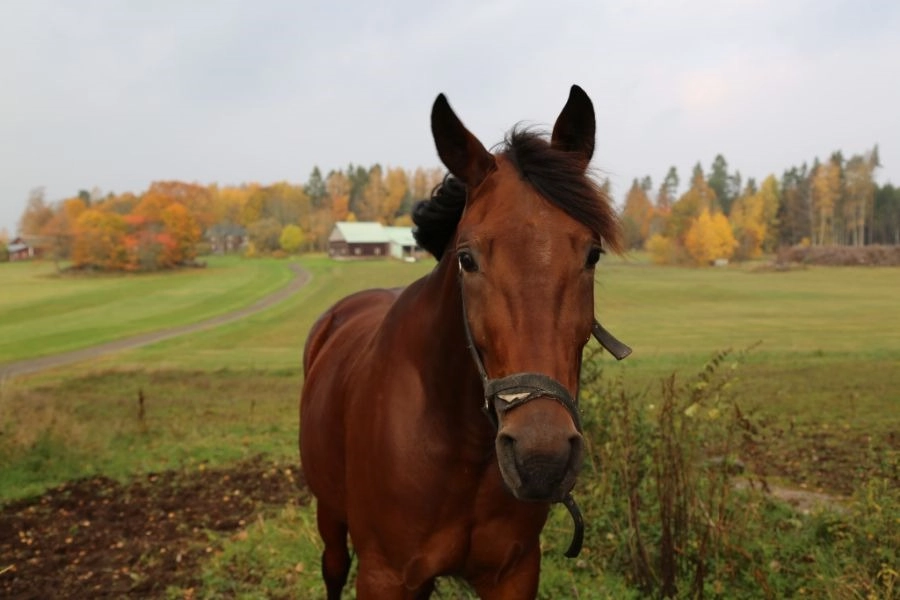
Moving to Colorado with horses requires careful planning and consideration. Here are detailed answers to the critical questions you should ask to ensure a smooth transition for you and your horses. Please feel free to reach out with any questions.
Contact Kenna Real Estate Group 📞 303-955-4220 🌐 Kenna Real Estate Group
Climate and Weather Conditions
What are the climate and weather conditions like for horses in Colorado? Colorado has a varied climate: cold winters, hot summers, and mild spring and fall seasons. In the mountains, temperatures can be more relaxed, while the plains experience more extreme temperature variations. Providing adequate shelter and care to protect horses from the elements year-round is essential.
How cold does it get in winter? Winters in Colorado can be harsh, with temperatures frequently dropping below freezing, especially at night. In the mountains, it can get even colder. Proper winter care, including warm shelters and adequate feeding, is crucial.
How much snow can be expected? Snowfall varies widely across Colorado. Mountain areas receive significant snowfall, often exceeding 100 inches yearly, while the plains may see 30-40 inches annually. Snow management and ensuring horses access unfrozen water and feed are essential.
Is an indoor, heated arena necessary for consistent riding? An indoor, heated arena is beneficial for consistent riding during winter, particularly in areas with heavy snowfall and low temperatures. It ensures you can continue training and exercising your horses regardless of the weather.
Pasture and Land Requirements
What are the pasture and land requirements for horses in Colorado? Adequate pasture space is essential for horse health and well-being. Colorado's arid climate requires sufficient acreage to support grazing and exercise.
How many acres are needed per horse? A general rule is 1-2 acres per horse for grazing and exercise. However, this can vary depending on pasture quality, land management practices, and supplemental feeding.
Is year-round grazing possible, or is hay feeding necessary all year? Year-round grazing is only sometimes possible due to seasonal changes and snowfall. Hay feeding is needed, especially during winter and dry periods when pasture growth is limited.
What's the availability and cost of hay in Colorado? Hay availability and cost can vary by region and season. It's crucial to establish reliable suppliers and budget for potential price fluctuations. Depending on quality and type, hay can cost between $10 and $20 per bale.
Boarding Options and Costs
What are the boarding options and costs in Colorado? Boarding options include pasture boarding, stall boarding, and full-service facilities. Costs vary based on location and level of service. Pasture boarding can range from $200 to $400 monthly, while full-service boarding can exceed $600 monthly.
What boarding facilities are available (pasture, stall, etc.)?Boarding facilities offer various options, including pasture boarding (outdoor), stall boarding (indoor), and combinations. Full-service facilities often include amenities like daily feeding, cleaning, and turnout.
What are the average boarding costs in different areas? Boarding costs vary significantly across Colorado. Due to demand and property values, urban and suburban areas have higher fees. For example, boarding in the Denver metro area may be more expensive than in rural parts of the state.
Are there any reputable boarding facilities in specific areas (e.g., Colorado Springs, Denver)? There are numerous reputable boarding facilities throughout Colorado. Research and visit potential facilities, read reviews and seek recommendations from local horse owners.
View Horse Property for Sale and Find More Answers Below the Equestrian Listings in Colorado
Legal Requirements
What are the legal requirements for keeping horses in Colorado? Legal requirements for keeping horses vary by county and city. It's essential to check local zoning laws, which dictate how many horses you can keep and on what property type.
Are any specific health requirements or documentation needed when moving horses to Colorado? When moving horses to Colorado, you need health certificates and a negative Coggins test (Equine Infectious Anemia) dated within 12 months. These documents ensure your horses are healthy and free from contagious diseases.
What are the zoning laws for keeping horses on residential property? Zoning laws vary, so check with local authorities for specific regulations. Some areas restrict the number of horses per acre or require particular permits.
Equine Services Availability
What is the availability of equine services in Colorado? Colorado has a robust equine industry, with numerous veterinarians, farriers, and equine supply stores. Proximity to urban centers typically provides better access to these services.
Are there good veterinarians and farriers in the area? Yes, Colorado has many skilled equine veterinarians and farriers. Research and select professionals with good reputations and experience in equine care.
What's the availability of equine supplies and feed stores? Equine supplies and feed stores are widely available, especially near urban areas and regions with a robust equestrian presence. These stores offer a range of products, from feed and supplements to tack and equipment.
Riding Opportunities
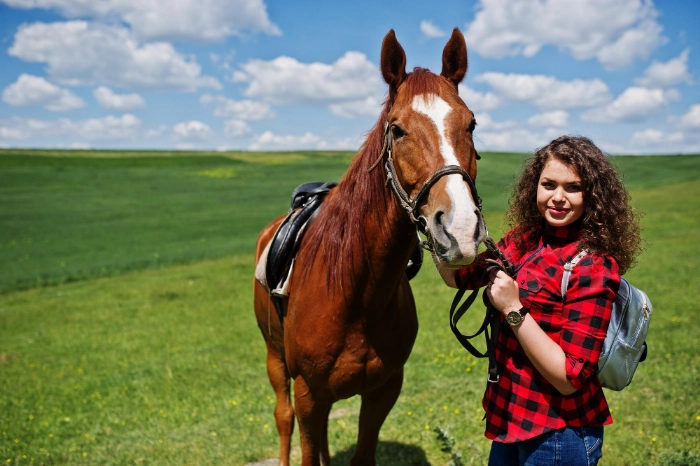
What are the riding opportunities in Colorado? Colorado offers diverse riding opportunities, including trail riding in national forests, state parks, and designated equestrian areas. The state's scenic landscapes provide excellent riding experiences.
Are there good trail-riding areas nearby? Colorado has numerous trail-riding regions, such as the Rocky Mountain National Park, Pike National Forest, and various state parks. These areas offer well-maintained trails suitable for all riding levels.
What's the local equestrian community like? The local equestrian community in Colorado is active and supportive, with many clubs, associations, and events. Engaging with the community provides valuable networking opportunities and support.
Are there shows, events, or clubs for horse owners? Colorado hosts various equestrian shows, events, and clubs throughout the year. Participating in these activities helps you connect with fellow horse enthusiasts and enhance your riding skills.
Altitude Considerations
How does the altitude affect horses in Colorado? High altitudes can impact horses' health and performance. Horses may take time to acclimate to the thinner air, which can affect their stamina and respiration.
What precautions need to be taken when acclimating horses to higher elevations? Gradual acclimation is essential. Introduce horses to higher elevations slowly, monitor their health, and provide adequate rest and hydration to help them adjust.
Are there any health concerns related to the altitude? Altitude can cause respiratory issues and decreased performance. Monitor horses closely for signs of altitude sickness and consult a veterinarian if needed.
Water Rights and Irrigation
What are the water rights and irrigation systems for horse properties in Colorado? Water rights are critical for maintaining pastures and providing water for horses. Understanding your property's water rights and local irrigation practices is essential for effective land management.
How does this affect the ability to maintain pastures? Adequate water supply is necessary for healthy pastures. Ensure your property has reliable water sources and irrigation systems to support pasture growth.
Contact Kenna Real Estate Group 📞 303-955-4220 🌐 Kenna Real Estate Group
Common Challenges
What are the everyday challenges of horse ownership in Colorado? Challenges include extreme weather, managing pasture quality, dealing with parasites, and preparing for natural disasters like wildfires.
Are there any specific health issues or parasites to be aware of? Colorado's climate can lead to health issues like respiratory problems and parasites like ticks. Regular veterinary care and preventive measures are crucial.
How do wildfires or other natural disasters affect horse owners? Wildfires are a significant concern in Colorado. Have an emergency evacuation plan for your horses, and stay informed about local wildfire risks and protection protocols.
Transportation Options
What are the transportation options for horses in Colorado? Reliable horse transport services are available for both local and long-distance moves. Research and choose reputable companies with experience in horse transportation.
Are there reliable horse shipping services available? Several companies specialize in horse shipping, providing secure and reliable transport options within and to Colorado.
What are the costs associated with transporting horses to and within Colorado? Transport costs vary based on distance, number of horses, and specific requirements. Get quotes from multiple transport companies to compare prices and services.
The Kenna Real Estate Group Advantage
How can having a horse property expert at Kenna Real Estate Group at Keller Williams DTC help? Having a horse property expert at Kenna Real Estate Group can significantly assist in answering many of these questions. With over 20 years of experience selling equestrian homes in Colorado, our experts have in-depth knowledge of the local market, climate considerations, legal requirements, and equine services. They can provide personalized advice and solutions tailored to your needs, ensuring a smooth transition for you and your horses. Trust Kenna Real Estate Group to guide you every step of the way in finding or selling your ideal horse property in Colorado.
