New - Just Now

.jpg)


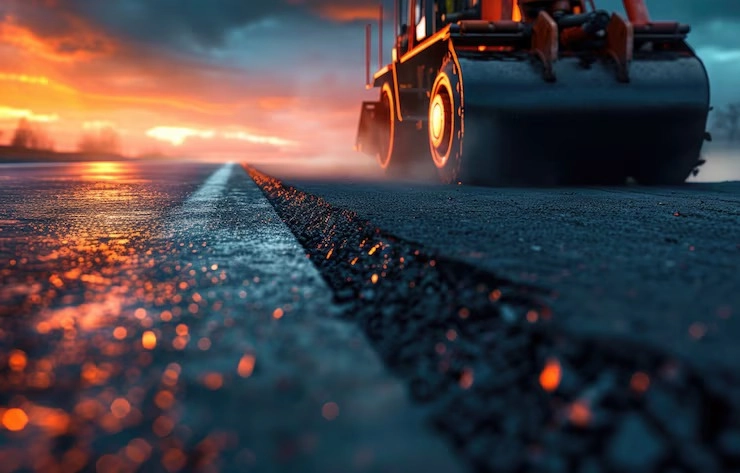
A well-maintained asphalt driveway is one of the first things a buyer sees walking up to a Front Range home, and it takes a beating from Colorado's climate that milder states never have to plan for. Freeze-thaw cycles, expansive clay soil, and high-altitude UV exposure all shorten the life of a driveway faster than the manufacturer's numbers suggest, which changes how Colorado homeowners should budget for paving, sealing, and repair.
A cracked, patched, or gravel-edged driveway is one of the fastest things to knock down a buyer's first impression, and appraisers and agents both treat driveway condition as part of overall curb appeal rather than a stand-alone repair item. A fresh asphalt surface or a professional sealcoat ahead of listing photos is a lower-cost way to improve the exterior than a full landscaping overhaul, and it shows up in the same photos a buyer sees before ever scheduling a showing.
The Front Range regularly swings above freezing during the day and well below it overnight through fall and winter, and that repeated freeze-thaw cycle is harder on pavement than a climate that simply stays cold. Water gets into small surface cracks, freezes, expands, and widens the crack; repeat that dozens of times each winter and a hairline crack becomes a pothole within a season or two if it is not sealed early.
Much of the Front Range sits on bentonite clay soil that swells when it absorbs moisture and shrinks as it dries out, and that movement underneath a driveway is a leading cause of cracking that has nothing to do with the asphalt itself. A properly prepared base layer that accounts for the site's soil conditions matters more in Colorado than in regions with stable, sandy soil, which is one reason a driveway that looks fine going in can develop cracks within the first year or two if the base was not built for local soil.
| Factor | Asphalt | Concrete |
|---|---|---|
| Upfront cost (2-car driveway) | $3,000 to $7,000 | $5,000 to $10,000 |
| Freeze-thaw flexibility | Flexes, resists cracking better | Rigid, more prone to cracking |
| Maintenance | Sealcoat every 2 to 3 years | Occasional joint sealing |
| Typical lifespan on the Front Range | 15 to 20 years | 25 to 30 years |
| Heat performance at altitude | Softens in intense summer sun | Holds shape better in heat |
Asphalt's flexibility is an advantage against freeze-thaw cracking, while concrete outlasts it overall if the base and joints are done well; the right choice depends on budget, how soon a sale is planned, and how much maintenance an owner wants to keep up with.
A standard two-car driveway runs roughly $3,000 to $7,000 to pave in the Denver metro, depending on size, base preparation, and site access. Sealcoating an existing driveway is far cheaper, in the $150 to $400 range, and doing it every two to three years is the single most effective way to extend the life of the asphalt underneath.
Colorado's hail season runs from spring through September, and while a driveway is less vulnerable than a roof, repeated hail impact can pit and crack asphalt that is already weakened by sun exposure or age. Inspecting the driveway alongside the roof after a hail event catches surface damage before a freeze-thaw winter turns small pits into larger cracks.
Many Front Range cities and counties require a permit for a new driveway or a significant widening, particularly where the driveway meets a public street or right-of-way, so check with the local building department before a paving contractor starts work. HOAs frequently add their own layer on top of that: some require a specific material or color, others require board approval before a driveway is replaced or resurfaced, so review the covenants before scheduling the job. Confirm both requirements directly with the city and the HOA, since rules differ from one Front Range community to the next.
Asphalt needs warm, dry weather to cure properly, which means late spring through early fall is the practical paving window on the Front Range; paving too close to the first hard freeze risks a surface that never fully sets up before winter stresses it.
UV exposure at 5,280 feet and higher is stronger than at sea level, and that intensity breaks down the asphalt binder faster than the same driveway would age in a lower-elevation climate. A dry, faded, gray driveway surface is an early sign the binder is oxidizing and losing flexibility, which is exactly the condition that lets freeze-thaw cracking start; a sealcoat renews the surface and blocks UV before the cracking begins rather than after.
A local contractor who works regularly in Colorado's climate and soil conditions is worth more than a lower bid from a crew unfamiliar with freeze-thaw base preparation. For a look at what a professional evaluation covers before quoting a job, see this overview from paving contractors; you are free to use any licensed contractor for the work. Get at least two written quotes that specify base depth and material thickness, not just a total price.
A driveway with isolated cracking and no significant base failure is a strong candidate for patching and a sealcoat rather than a full repave, which can save thousands of dollars. Widespread alligator cracking, potholes, standing water after a storm, or visible base movement are signs the base itself has failed and patching will not hold through another Front Range winter; in that case a full tear-out and repave, with the base rebuilt for local soil conditions, is the more durable fix even though it costs more upfront.
A driveway that slopes toward the house instead of away from it sends spring snowmelt and hail-season runoff straight at the foundation, which can be a bigger problem than the pavement itself. Correct grading during installation, and a clear path for water to reach the street or a drain rather than pool at the garage, protects both the driveway and the foundation behind it.
Sellers preparing a home for market can weigh driveway repair or resurfacing against other exterior projects on the Preparing and Adding Value Before Selling guide, since curb appeal spending has some of the fastest payback of any pre-listing project.
Whether a driveway project is part of getting a Front Range home ready to sell or just protecting the property for the years ahead, the Kenna Real Estate Group can point to what buyers and appraisers in the neighborhood actually notice. Call or text 303-955-4220. A live person answers. Not a robot, not a phone tree. Ready to compare homes now? Search every home for sale in Colorado.
Questions about any home in Colorado? Call or text 303-955-4220. A live person answers.
Driveway condition is part of a buyer's first impression, and appraisers weigh it into overall curb appeal. A fresh surface or sealcoat before listing photos is a lower-cost way to improve exterior condition than a full landscaping project.
A standard two-car driveway runs roughly $3,000 to $7,000 depending on size, base prep, and access. Sealcoating an existing driveway costs about $150 to $400 and should happen every two to three years.
Repeated freeze-thaw cycles push water into small cracks and widen them each winter, and expansive clay soil underneath the driveway swells and shrinks with moisture, moving the base independently of the asphalt above it.
Asphalt flexes and resists freeze-thaw cracking better, while concrete lasts longer overall (25 to 30 years vs. 15 to 20) if the base and joints are built correctly. The right choice depends on budget and maintenance plans.
Many Front Range cities and counties require a permit for a new or widened driveway, especially where it meets a public street. HOAs add their own separate rules on material, color, or board approval, so check both before starting.
Late spring through early fall, when temperatures are warm and dry enough for the asphalt to cure fully before winter stresses the new surface.
Isolated cracking without base failure is a strong candidate for patching and a sealcoat, which costs far less than a full repave. Widespread alligator cracking or potholes mean the base has failed.
A driveway is less vulnerable than a roof, but repeated hail impact can still pit and crack asphalt already weakened by age or sun exposure, so it is worth a quick check after a hail event.


