$315,000
Active
2
Beds
2
Baths
1111
Sqft
0.017
Acres
1965 Montura Vw #202, Colorado Springs, CO 80919
MLS#: 6913872
.jpg)


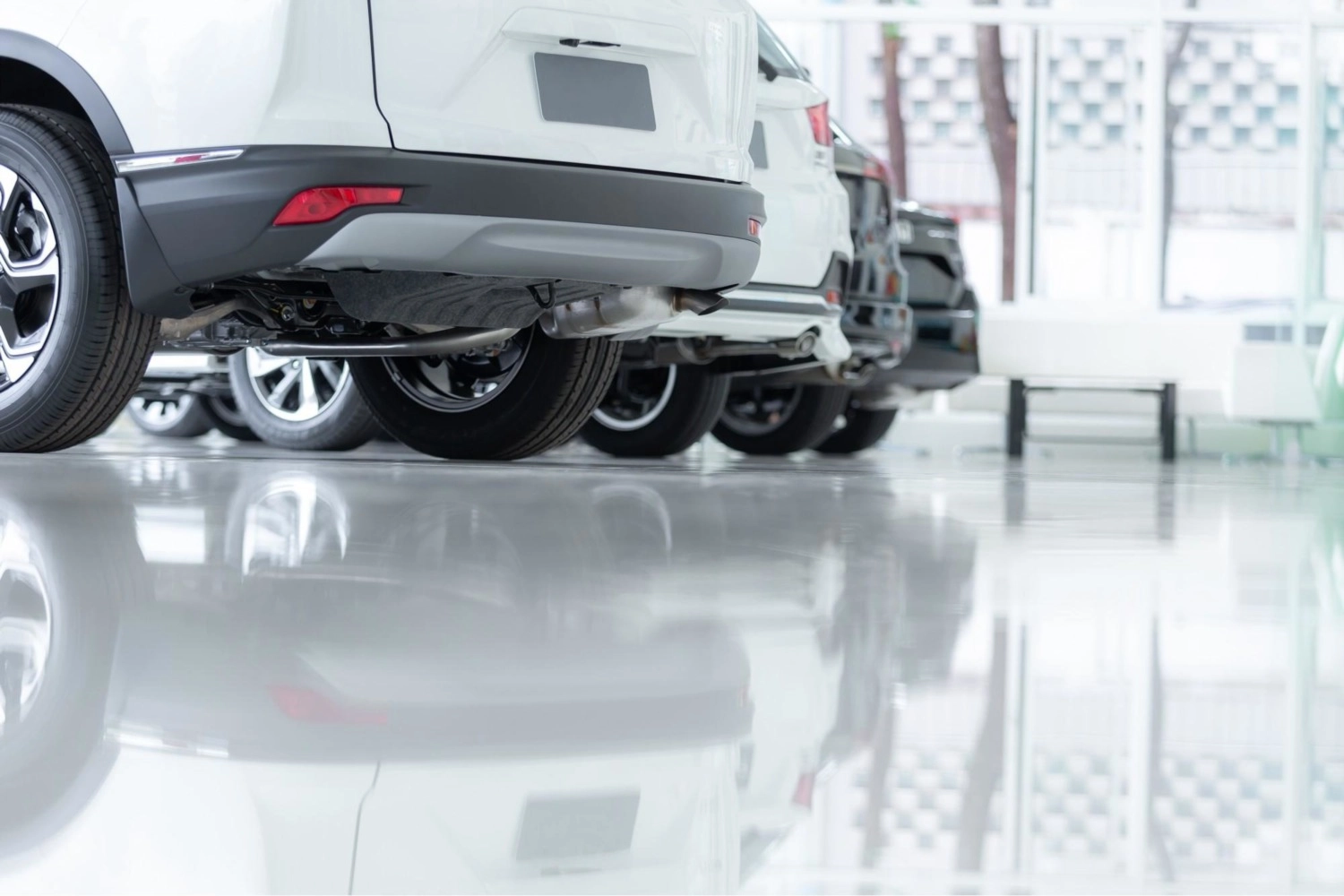
Epoxy garage flooring in Colorado costs $3 to $12 a square foot installed, and it adds visible value at resale because it is one of the few upgrades a buyer can see and evaluate in thirty seconds while standing in the garage door opening. What it does not do is fix a slab that has never been tested for moisture, and on the Front Range that test matters more than the color chip.
This guide covers the coating options, the Colorado-specific failure points, and what a coated garage floor is actually worth when a home goes on the market from Denver to Colorado Springs.
A standard two-coat epoxy system on a two-car garage (400 to 500 square feet) runs $1,500 to $4,500 installed, or $3 to $9 a square foot. A three-coat polyaspartic system with a full flake broadcast and UV-stable topcoat runs $6 to $12 a square foot, or $2,400 to $6,000 for the same garage. A DIY kit from a home improvement store costs $200 to $500 in materials but skips the grinding and moisture testing a professional installer includes, which is where most Front Range failures start.
A properly installed coated garage floor is a low-cost, high-visibility upgrade that shows well in listing photos and during showings, similar to a fresh coat of paint on a front door. It does not appraise as a separate line item, but agents across the Denver metro report that a clean, coated garage floor removes an objection buyers raise about oil stains, cracked concrete and dust, which otherwise becomes a bargaining point during the inspection objection deadline window.
The two most common failure modes on Front Range garages are moisture vapor pushing up through an untested slab and coating applied over concrete that was not ground to bare, open pores. Colorado slabs poured without a vapor barrier, common in homes built before the mid-1990s, trap groundwater that rises through the concrete and pushes the epoxy off in sheets or bubbles within the first one to two winters. A slab with efflorescence, the white chalky residue that appears after a wet spring, is already telling you moisture is moving through it.
Yes. A calcium chloride test or a relative humidity probe test, run 24 to 72 hours before coating, tells the installer whether the slab is dry enough to hold a film-forming coating. Reputable Front Range installers include this test in the estimate; if a bid does not mention moisture testing, ask for it in writing before you sign. A slab that fails the test still has options, including a vapor-mitigating primer, but skipping the test is the single most common reason a $3,000 garage floor peels within eighteen months.
Colorado's low humidity and thin air at altitude speed up the surface cure of epoxy and polyaspartic coatings, which can trap solvents or moisture underneath a skin that looks dry but is not fully cured below. Installers along the Front Range adjust working time and recoat windows for altitude, and a garage that sits between 55 and 75 degrees during the cure window gets the most even result. Coating in a heated garage during a cold snap, or in direct afternoon sun with the door open, is a common local mistake.
Not directly, since the floor is indoors, but Colorado's hail season, which runs from spring through September, brings more open garage doors, wet cars pulled in fast, and de-icer or mag chloride tracked in on tires during shoulder-season storms. A polyaspartic topcoat resists the salt and chemical exposure from winter road treatment better than a basic epoxy-only system, which is worth the cost difference for a daily-use Front Range garage.
A hairline crack under 1/8 inch takes filler and a coating over it without issue. A crack that keeps growing, or one paired with a door that has started sticking or a visible step at the garage threshold, points to active movement from Colorado's expansive clay soils and needs a foundation evaluation before you spend money on flooring. Coating over active movement telegraphs the crack back through the epoxy within a year and wastes the installation cost.
| System | Typical lifespan on a Front Range garage | Installed cost per sq ft |
|---|---|---|
| DIY epoxy kit | 1 to 3 years before peeling or yellowing | $1 to $2 (materials only) |
| Professional 2-coat epoxy | 5 to 10 years | $3 to $9 |
| Professional polyaspartic/polyurea | 10 to 20 years | $6 to $12 |
Epoxy cures slower, costs less, and yellows under UV exposure over several Colorado summers unless it has a UV-stable topcoat. Polyaspartic and polyurea coatings cure in hours instead of days, resist UV fading at altitude, and hold up better against the road salt and mag chloride Front Range vehicles track in from November through March. Most Colorado installers now use polyaspartic as the topcoat on a hybrid epoxy base system for that reason.
Garage floor coatings are interior work and almost never require architectural review, since they are not visible from the street or from a neighboring lot. Check your covenants if your garage has a glass or open-bay door style, since some Front Range HOAs do regulate visible garage interiors on corner lots.
For $1,500 to $4,500, a coated garage floor is one of the cheaper pre-listing upgrades on our adding value before selling guide, and it photographs well for the listing without the multi-week timeline of a kitchen or bath project. It is not a must for every seller, but for a garage with visible stains or bare, dusty concrete, it removes a distraction during showings for a fraction of what buyers mentally discount for a rough garage.
A DIY kit works for a low-traffic garage where appearance matters more than durability. For a daily-driver garage, a workshop, or a garage you are coating specifically to help a sale, hire an installer who tests the slab for moisture and grinds it rather than acid-etching, since acid-etched floors are the most common DIY failure point on Front Range concrete.
A sealed floor reduces concrete dust from a bare slab, which helps indoor air quality in an attached garage. It has no meaningful effect on radon, which enters through foundation cracks and gaps around penetrations rather than through a coated floor surface; radon testing and mitigation are separate projects handled at the foundation level.
Colorado's Seller's Property Disclosure asks about known defects in the structure, not cosmetic flooring finishes, but if you know the slab failed a moisture test or the coating is already peeling, disclose it. A buyer's inspector will note visible peeling regardless, and it becomes a smoother conversation during the inspection objection deadline if it was already on the disclosure.
The Kenna Real Estate Group helps Front Range sellers decide which pre-listing upgrades pay off and which ones do not, garage floors included. Call or text 303-955-4220. A live person answers. Not a robot, not a phone tree. Or search every home for sale in Colorado right now.
Questions about any home in Colorado? Call or text 303-955-4220. A live person answers.
A two-car garage runs $1,500 to $4,500 for a professional two-coat epoxy system, or $2,400 to $6,000 for a longer-lasting polyaspartic system.
Untested moisture rising through the slab and coating applied over concrete that was not ground open are the two most common causes of peeling within the first two winters.
Yes. A calcium chloride or relative humidity probe test run before the job tells the installer whether the slab needs a vapor-mitigating primer first.
It does not appraise separately, but it removes a stain-and-dust objection during showings for a low cost compared with most other pre-listing upgrades.
5 to 10 years for a standard epoxy system, and 10 to 20 years for a polyaspartic or polyurea topcoat that resists UV and road salt better.
A stable hairline crack takes filler and a coating without issue. Active, growing cracks need a foundation evaluation first, since coating over movement telegraphs the crack back through within a year.
Almost never, since it is interior work not visible from the street. Check covenants only if your garage has a glass or open-bay style door.