New - 1 Hour Ago
.jpg)


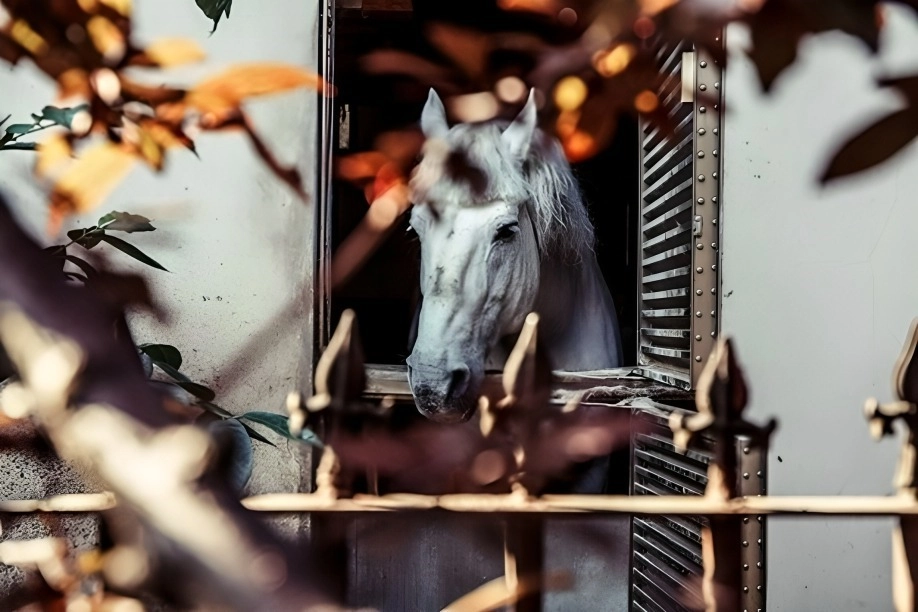
Metal holds up better than wood against a Colorado hail storm and needs less upkeep over the life of the structure, but wood is gentler on a horse that kicks or leans into a wall. Most Front Range horse owners land on a metal roof and frame with wood kickboards on the interior walls, which gets the durability of one material and the give of the other in the spots that matter.
Wood siding needs a fresh coat of stain or paint every few years to resist rot and the swings between wet spring snow and dry summer heat that Colorado sees. Metal panels shrug off moisture and require almost no maintenance, but a horse that kicks a bare metal wall risks a real injury, so exposed metal on the inside of any stall or lean-to needs a wood or rubber kickboard liner.
Colorado's hail season runs from spring through September, and the Front Range sees some of the highest hail frequency in the country. A 26-gauge or heavier steel roof panel resists denting far better than a lighter panel or an asphalt shingle roof, and it is worth the extra cost on any structure that will sit through 10 or more years of Front Range storms.
Front Range building departments set a minimum roof snow load based on elevation and local snowfall history, and it varies by county and even by specific site elevation in the mountains west of Denver. Confirm the required snow load with the local building department before finalizing a truss or rafter design, since underbuilding a roof for Colorado snow is one of the most common and costly mistakes on a horse structure.
Face the open side of the lean-to away from the prevailing winter wind, which comes out of the northwest across most of the Front Range, and angle it so horses get shade during peak summer sun without standing in full exposure all day. Set the structure on higher, well-drained ground so runoff moves away from the floor, and keep the entrance clear of the gate horses and equipment use most, so daily chores do not turn into a bottleneck.
Requirements vary by county and by the structure's size; many Front Range counties exempt small agricultural structures under a set square footage from a full building permit but still require a setback from property lines and a floodplain check. Douglas, Elbert, Weld and El Paso counties each publish their own agricultural structure rules, so confirm the current threshold with the specific county building department before starting construction.
Even a property zoned for horses can carry HOA or metro district covenants that limit a structure's height, footprint, roofline or exterior material, and some require design review before construction starts. Pull the covenants and any architectural guidelines before finalizing plans, since a lean-to that violates a covenant can mean a forced rebuild after the fact.
Colorado's defensible space guidelines call for cleared, non-combustible zones extending out from structures in wildfire-prone areas, which applies to a horse lean-to the same as it applies to a house. Keep dry grass, hay storage and brush cleared within the first zone around the structure, and store flammable bedding materials in a separate, more protected building when the property sits in a mapped wildfire risk area.
Any metal panel a horse can reach needs a rubber mat, wood kickboard, or a rounded trim cap over the cut edges, since a spooked or kicking horse can open a real wound on a sharp metal seam. Line the interior walls to at least shoulder height, and check trim and fasteners twice a year for any edge that has worked loose or started to rust through.
Plan on at least 100 to 150 square feet per horse, or roughly a 12-by-12-foot stall for a standard-size horse, with additional room for a warmblood or draft breed. Ceiling height should run at least 8 feet at the back wall and 10 to 12 feet at the open front, giving a horse room to move without risking a head strike.
Zoning that allows horses varies by county rather than a single statewide rule, and it is tied to a minimum lot size in most counties rather than a specific zoning label. Many Front Range counties allow one or two horses on an acre or more, with the permitted number increasing on larger parcels; unincorporated Douglas, Elbert and Weld counties allow horses on smaller lots than a suburban Denver or Aurora address inside city limits. Confirm the number of animal units a specific parcel allows with the county planning office before assuming a property supports the number of horses a buyer wants to keep.
Buyers researching a specific Colorado horse property should budget for this separately from the purchase price: a basic two- or three-sided metal-roofed lean-to for one or two horses runs roughly $3,000 to $8,000 in materials and labor in the Denver metro, depending on size, foundation type and site prep. Add a concrete footing or slab, electrical for a heated water source, or a larger multi-horse design, and the cost climbs toward $10,000 to $20,000 or more.
A lean-to is an open or three-sided shelter that gives horses a wind and precipitation break without the enclosed stalls, aisle and hay storage of a full barn. It costs a fraction of a full barn build and works well for an owner with one or two horses on smaller acreage, while a full barn makes more sense for a larger equestrian operation or a property that boards horses for others. Some Front Range owners start with a lean-to and add an enclosed barn later as the number of horses on the property grows, which is worth planning for in the initial site layout.
A well-built, code-compliant shelter with a durable metal roof is a feature Front Range horse buyers specifically look for on Kenna's home search, and it shortens the time a horse property sits on the market compared with a similar listing that needs new construction before it is usable. Keep receipts and any permit documentation, since buyers and their lenders both want to confirm a structure was built to the county's standards.
The Kenna Real Estate Group works with Front Range buyers, sellers and investors looking at horse and equestrian properties, from zoning and covenant questions to what a barn or lean-to adds to a sale. Call or text 303-955-4220. A live person answers. Not a robot, not a phone tree. Ready to see what is on the market? Search every home for sale in Colorado.
Questions about any home in Colorado? Call or text 303-955-4220. A live person answers.
Metal holds up better against hail and needs less maintenance, while wood is gentler in spots where a horse kicks or leans. Most Front Range builds pair a metal roof and frame with wood kickboards inside.
A 26-gauge or heavier steel panel resists denting far better than a lighter panel or an asphalt shingle roof through repeated hail-season storms from spring through September.
It depends on the county and the structure's size. Many counties exempt small agricultural structures from a full building permit but still enforce setback and floodplain rules, so confirm with the local building department first.
Plan for at least 100 to 150 square feet per horse, roughly a 12-by-12-foot stall, with at least 8 feet of ceiling height at the back and 10 to 12 feet at the open front.
A basic metal-roofed lean-to for one or two horses runs about $3,000 to $8,000 in the Denver metro. A concrete footing, electrical or a larger multi-horse design can push the cost to $10,000 to $20,000 or more.
Yes, some HOAs and metro districts limit a structure's height, footprint or exterior material, or require design review before construction. Pull the covenants before finalizing plans.
Colorado's defensible space guidelines call for cleared, non-combustible zones around structures in wildfire-prone areas, which applies to a lean-to the same as a house, including hay and bedding storage.
A durable, code-compliant shelter is a feature Front Range horse buyers look for directly and can shorten time on market compared with a property that needs new construction.
Start with the Colorado Horse Property Buying Guide, then search every horse property for sale in Colorado.
Buying or selling horse property in Colorado? Call or text 303-955-4220. A live person answers. Not a robot, not a phone tree.