New - 23 Hours Ago



Yes, a sewer scope is worth it on almost every Denver home purchase: in Denver the homeowner, not the city, pays to fix the private sewer line that runs from the house to the public main (City and County of Denver Wastewater Management). A sewer scope puts a camera down that line before you buy, so you find roots, cracks and breaks while you still have time to negotiate. Here is what a sewer scope inspection in Denver checks, who pays for a broken sewer line, and what buyers and sellers in Denver, Aurora and Lakewood do about it.
Call or text 303-955-4220. A live person answers. Not a robot, not a phone tree.
Owner Pays for the private line House to the public main (Denver Wastewater) | City Pays for the public main Denver maintains main public sewers only |
303-446-3400 Denver sewer backup line Call first so the city checks its main | Before The inspection deadline Scope it while you can still object |
A sewer scope is a video inspection of the sewer line that carries everything from the house to the city or district main. A sewer contractor or inspector feeds a camera on a cable through a cleanout and records the full run of pipe. You get the video and a written report that marks the problem spots by distance from the house. A standard home inspection looks at the plumbing you can see inside the house; it does not see the buried pipe in the yard. That is the gap a sewer scope fills.
The owner does. Denver's Wastewater Management FAQ says the City and County of Denver "is only responsible for main public sewers." If the backup or break sits in your private line, the city tells you so, and calling a licensed plumber is your job. Water lines follow the same rule: Denver Water says the water service line "is owned by and installed at the expense of the property owner."
| Part of the system | Who maintains it in Denver | Source |
|---|---|---|
| Main public sewer in the street | City and County of Denver | Denver Wastewater FAQ |
| Private sewer line, house to main | The property owner | Denver Wastewater FAQ |
| Water main | Denver Water | Denver Water |
| Water service line and meter pit | The property owner | Denver Water |
Outside Denver, many suburbs are served by their own sanitation or water and sanitation districts. Ask the district for the property you are buying where its responsibility ends. Our Denver homes for sale, Aurora, Lakewood, Arvada, Littleton and Englewood pages cover each city.
We order one on almost every resale home we help a buyer purchase. Scope it for sure when you see any of these:
Newer homes get scoped too. Construction debris, a crushed section from heavy equipment or a sag in the line show up on new builds as well.
| What the camera shows | What it means for you |
|---|---|
| Root intrusion | Roots inside the pipe catch waste and cause backups; they come back after cleaning |
| Offset or separated joints | Pipe sections pulled apart; roots and soil get in at the gap |
| Belly (sag) | A low spot where water and waste sit and build up |
| Cracks or broken pipe | Leaks into the soil and an active path for roots |
| Collapse | The line is blocked or close to it; repair is needed before you move in |
| Clean line | Peace of mind, and a video you keep for the day you sell |
You negotiate, and you do it before the inspection deadline in your contract. Get a written repair bid from a licensed sewer contractor, then pick one of these moves with your agent:
Repair cost depends on the depth, length, the method (spot repair, lining or full replacement) and whether the break sits under the yard, the sidewalk or the street. No official source publishes a Denver price, so get two written bids. Add the number to your Colorado closing costs and mortgage calculator plan.
Yes, on an older home. A pre-listing scope moves the surprise to your timeline. You fix it or price for it up front, and the buyer's inspection does not turn into a second negotiation. Keep the video and any repair receipts and hand them to buyers; that is a selling point in a market where buyers are asking for credits (see is the Denver housing market crashing). Selling as-is? Read the as-is sales process in Denver and cash offers in Colorado, then get a free home value report.
Buyers. The private line is yours on closing day, from the house to the main. Order the sewer scope in the first days of your inspection period, so the video and a repair bid land before your objection deadline. Start with the first-time buyer guide and can I afford a home now.
Sellers. A clean scope video is a reason for a buyer to say yes. A bad one found by the buyer becomes a credit request. Scope an older home before you list and decide on your terms.
Homeowners. If water backs up, call Denver Wastewater at 303-446-3400 first so the city checks its main, then a licensed plumber for your line. Read your homeowners policy for sewer backup and service line coverage; our Denver home insurance guide and the Colorado FAIR Plan guide cover the policy side.
The Colorado market. With prices flat and buyers negotiating harder, inspection items carry more weight in every deal. Check the live numbers on our Denver real estate statistics page. Condo buyers: the building's HOA maintains the shared lines, so read Colorado HOA laws 2026 and the HOA special assessment guide.
What to watch out for (what not to do)
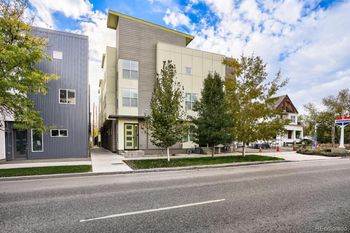
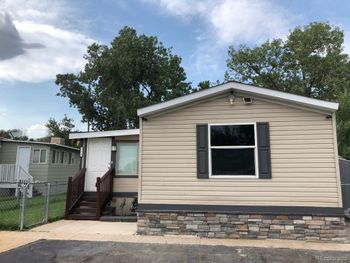
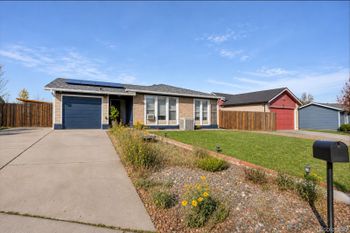
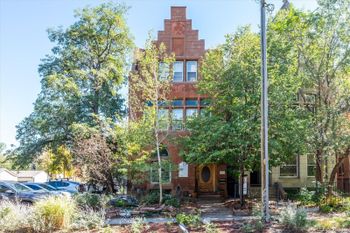
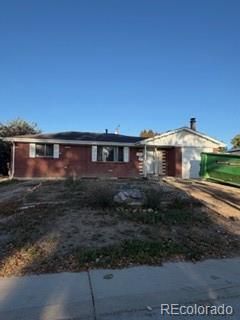
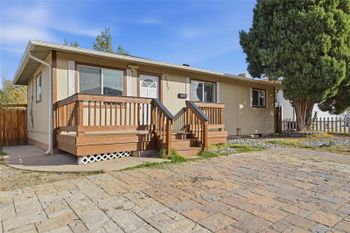
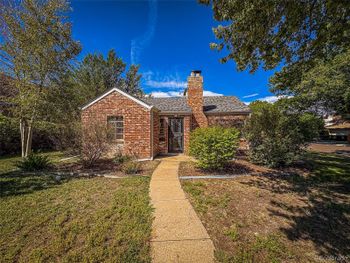
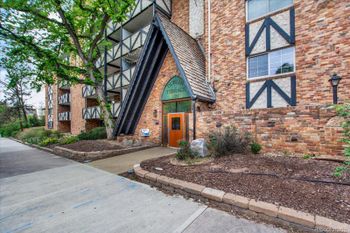
These homes are pulled live from the MLS every time you open this page. Found one you like? Ask us about the age of the sewer line and we will set up the scope for you during your inspection period.

Yes. In Denver the owner pays to repair the private sewer line from the house to the public main, and the city maintains only the main public sewers (Denver Wastewater Management). A scope shows the line's condition before you are the owner.
The property owner pays for the private sewer line. The City and County of Denver is responsible only for main public sewers. If a backup is in your private line, the city tells you and you hire a licensed plumber.
Ask your home inspector; many offer a sewer scope as an add-on, or refer a licensed sewer contractor. Book it the first days of your inspection period. Call The Kenna Group at 303-955-4220 and we will set it up with your other inspections.
No official source publishes a Denver price. Ask two inspectors or sewer contractors for a written quote when you book your home inspection, and put the cost in your inspection budget.
Roots inside the pipe, offset or separated joints, bellies (low spots), cracks, broken or collapsed pipe, and blockages. You get a video and a report that marks each problem by distance from the house.
Call Denver Wastewater Management at 303-446-3400 right away. The city checks its main; if the problem is in your private line, you call a licensed plumber.
Yes for an older home in Denver, Aurora, Lakewood or nearby. A pre-listing scope lets you repair or price for the line up front, and a clean video gives buyers one less thing to negotiate.
Call or text 303-955-4220. A live person answers. Not a robot, not a phone tree.
Denver sewer scope disclosure: this guide is general home buying and home selling information from The Kenna Group at Keller Williams DTC (Keller Williams Realty DTC, LLC), not plumbing, engineering, legal or insurance advice. Sewer line ownership, permits and repair rules differ by city and sanitation district across the Denver metro, Aurora, Lakewood, Arvada and Littleton. Hire a licensed plumber or sewer contractor for the camera inspection and repair bid, read your homeowners insurance policy for sewer backup and service line coverage, and talk to a real estate attorney about contract rights. City rules quoted are from the official sources listed above on the date shown.
Brian Lee Burke, the hardest working man in real estate
The Kenna Group at Keller Williams DTC. Helping You With Your Pad™. Licensed since 2003.
The Kenna Group is a real estate group with Keller Williams Realty DTC, LLC (Keller Williams DTC), serving Denver metro and Colorado home buyers and sellers.