New - 9 Hours Ago

.jpg)


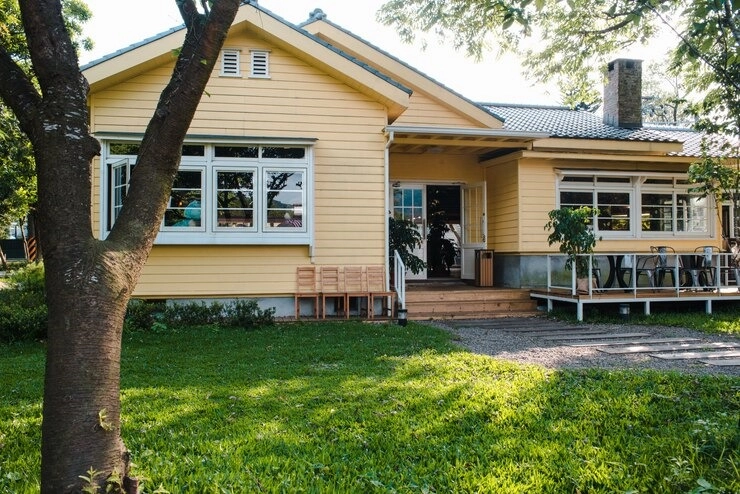
South Broadway, known locally as SoBo, runs along South Broadway street through the southern edge of Denver and into Englewood, about 1.5 miles south of downtown Denver and just south of I-25. It is not an official platted neighborhood on either city's map; it is a corridor of bars, restaurants, antique shops and cannabis retail bordered by residential blocks that fall inside both Denver and Englewood city limits. The Kenna Real Estate Group works this corridor from an office at the corner of Broadway and Yale, so buyers and sellers get a team that already knows which block sits in which city.
South Broadway is the dividing line: the west side of the street south of Yale Avenue falls in Englewood and Arapahoe County, while the blocks north and east are in Denver, Denver County. That split matters at closing. Denver and Englewood run separate building permit offices, separate rental licensing programs and separate mill levies, so the address on a listing determines which set of rules applies before you make an offer.
Housing stock on the residential blocks off South Broadway splits into three groups:
Homes built before 1940 in this corridor commonly still have their original electrical panel, galvanized supply lines or knob-and-tube wiring somewhere in the walls. Budget these ranges before you write an offer on an unrenovated bungalow:
| Upgrade | Typical Denver metro cost | Why it matters in an older SoBo home |
|---|---|---|
| Full electrical panel and wiring replacement | $8,000 - $15,000 | Knob-and-tube and cloth-insulated wiring is common in pre-1940 bungalows and most insurers require it replaced before writing a policy. |
| Galvanized supply line replacement | $4,000 - $10,000 | Galvanized pipe corrodes from the inside and reduces water pressure over decades; it is standard in this era of home. |
| Foundation tuckpointing or crack repair | $3,000 - $8,000 | Denver's expansive clay soil shifts with seasonal moisture, and century-old brick foundations show it first. |
| Roof replacement, asphalt shingle | $9,000 - $16,000 | Front Range hail season runs spring through September and shortens shingle life on older roofs. |
A home inspection before you remove the inspection objection deadline will price out which of these an individual property needs. Sellers who tackle the electrical panel and roof before listing tend to close faster; see what actually adds value before you sell for the full list of pre-listing fixes.
Denver remodel and electrical permits run through Denver Community Planning and Development. Englewood issues its own building permits through its Building Division. Because South Broadway straddles both cities, confirm which office covers your specific address before a contractor pulls a permit; a permit filed with the wrong city delays the work and can flag a title issue at resale.
The bungalows and ranch homes off South Broadway are single-family and carry no HOA. The newer condo and townhome buildings built along the corridor in the last decade do carry an HOA that covers the roof, exterior walls and, in some buildings, water and trash. Ask for the HOA's reserve study and the last two years of meeting minutes before you go under contract on a condo here; browse Colorado condos for sale to compare HOA dues across buildings. Lot sizes on the older residential blocks run 4,500 to 6,500 square feet with standard Denver and Englewood setback rules, so a detached garage or alley-facing lot has more build-out room than a corner lot with two street-facing setbacks. Confirm the zoning for a specific parcel before you plan an addition or an accessory unit, since Denver and Englewood assign zoning independently and a block that allows a second unit in Denver does not automatically carry the same allowance once you cross into Englewood.
Property tax mill levies are set separately by Denver County and Arapahoe County, and Englewood adds its own city mill levy on top of the Arapahoe County rate. Two homes a block apart on either side of South Broadway can carry different tax bills for the same assessed value because they fall in different taxing jurisdictions. Your closing statement will show the exact levy for the parcel; ask your agent to pull the county assessor record before you finalize a budget.
South Broadway sits about 1.5 miles from downtown Denver and directly accesses I-25 at the Broadway/Santa Fe interchange, plus RTD's Broadway light rail station a few blocks east. That puts a South Broadway resident inside a short drive of both downtown Denver and the Denver Tech Center job corridor to the south, without a highway merge on either end. Antique Row runs an 18-block stretch of South Broadway with close to 100 antique dealers, and the corridor also carries the highest concentration of licensed cannabis retail in the city, a strip locals call the Green Mile. Both draw steady foot traffic to the corridor's restaurants and bars, which keeps ground-floor retail rents up and supports resale demand on the residential side streets. Grocery stores, urgent care clinics and a public library branch sit within a mile of most residential blocks, which matters for a buyer weighing a car-light lifestyle against a longer commute from farther out on the Front Range.
Buyers cross-shopping Denver's redeveloping corridors put South Broadway next to RiNo (River North). RiNo trades on new-build lofts and a denser nightlife scene near the South Platte River; South Broadway trades on older single-family stock at a lower entry price point with a shorter commute to Englewood and the Denver Tech Center job corridor. Read the full breakdown in South Broadway vs. RiNo: Denver's Hottest Cultural Corridors.
Older SoBo bungalows on double lots and homes with a detached garage or alley access are candidates for an accessory dwelling unit under Denver's ADU rules, which turns one purchase into two income streams. Run the numbers before you buy; the house-hacking guide walks through financing a duplex-style setup, and the Colorado duplex and multifamily buying guide covers loan options for a two-unit purchase.
Pricing a 100-year-old bungalow against a five-year-old condo two blocks away takes local comps, not a generic online estimate. The Kenna Real Estate Group pulls recent South Broadway and Englewood closings block by block; start with a Smart Pricing Report for your South Broadway home before you set a list price.
The Kenna Real Estate Group works out of the South Broadway corridor and tracks every closing in Denver and Englewood block by block, from century-old bungalows to the newest condo buildings. Call or text 303-955-4220. A live person answers. Not a robot, not a phone tree. Ready to look at what's on the market? Search every home for sale in Colorado.
Questions about any home in Colorado? Call or text 303-955-4220. A live person answers.
Both. The corridor splits at roughly Yale Avenue: blocks to the north and east sit in Denver and Denver County, while blocks to the south and west sit in Englewood and Arapahoe County.
A full electrical panel and wiring replacement in a 1920s or 1930s home in the Denver metro runs $8,000 to $15,000, depending on square footage and whether knob-and-tube wiring has to come out of finished walls.
Yes. Denver addresses go through Denver Community Planning and Development; Englewood addresses go through the Englewood Building Division. Confirm the correct office before a contractor applies.
The single-family bungalows and ranch homes off the corridor do not carry an HOA. The newer condo and townhome buildings built along South Broadway in the last decade do, and dues cover exterior maintenance and the roof.
Front Range hail season runs spring through September. Older asphalt shingle roofs on pre-1960 SoBo homes are the most exposed; budget $9,000 to $16,000 for a full replacement if the roof is past 20 years old.
Most residential blocks off South Broadway put a resident a 5- to 10-minute walk from Antique Row's antique dealers, restaurants and the Green Mile retail strip.
Older bungalows on double lots or with alley access can qualify for an accessory dwelling unit under Denver's ADU rules, which adds a second income stream to a single purchase. Englewood has its own separate ADU process.
Use recent closings from the same side of South Broadway, since Denver and Englewood comps do not always transfer across the street. A Smart Pricing Report from the Kenna Real Estate Group pulls block-level data before you set a list price.


