New - 15 Mins Ago

.jpg)


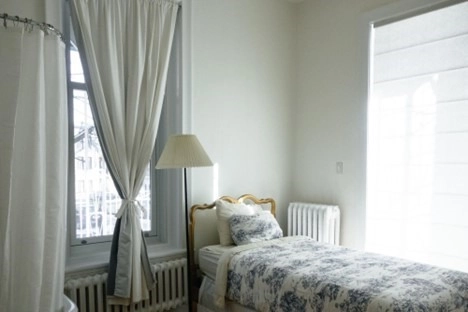
A 2-bedroom apartment in the Denver metro runs $1,650 to $2,400 a month in 2026, with the low end in Aurora and Colorado Springs and the high end in central Denver neighborhoods like Cheesman Park or LoDo. The fastest way to land one at a fair price is to search three to four weeks ahead of your move date, apply with your documents ready, and know the deposit and notice rules Colorado sets for every landlord in the state.
Rent for a 2-bedroom apartment varies by 40% or more depending on which Front Range city you pick. Downtown Denver, Cherry Creek and the Uptown area run $2,100 to $2,900. Aurora, Lakewood, Northglenn and Thornton run $1,650 to $2,100. Fort Collins and Loveland run $1,700 to $2,200. Colorado Springs runs $1,500 to $1,900. Greeley is the least expensive Front Range option at $1,400 to $1,750.
| Area | Typical 2-bedroom rent |
|---|---|
| Central Denver (LoDo, Cherry Creek, Uptown) | $2,100 - $2,900 |
| Aurora / Lakewood / Thornton / Northglenn | $1,650 - $2,100 |
| Fort Collins / Loveland | $1,700 - $2,200 |
| Colorado Springs | $1,500 - $1,900 |
| Greeley | $1,400 - $1,750 |
Cap rent at 30% of gross monthly income and add utilities, renters insurance and parking before you sign. A Denver metro 2-bedroom adds $150 to $280 a month for electric, gas and water when they are not included, plus $15 to $25 for renters insurance and $50 to $150 for a reserved parking spot in a dense neighborhood. Xcel Energy bills run higher from December through February because of heating, and again in July and August for air conditioning, so ask the current tenant or the leasing office for a winter and a summer bill before you commit.
Splitting a 2-bedroom with a roommate cuts your personal cost roughly in half. Put both names on the lease. A verbal side agreement does not protect either renter if the other stops paying, and a landlord in Colorado can hold every named tenant responsible for the full rent.
Colorado law caps a security deposit conversation in a few specific ways worth knowing going in. A landlord must return a deposit within one month of move-out unless the lease sets a longer period, and that period cannot exceed 60 days. Itemized deductions are required in writing. A landlord must give at least 24 hours' notice before entering an occupied unit except in a genuine emergency. Rent increases on a month-to-month lease require at least 21 days' written notice in Denver and 60 days for many longer-tenured tenants under state law, so read your specific lease terms rather than assuming a single statewide number.
Application requirements are consistent across most Front Range property managers: photo ID, proof of income (pay stubs or an offer letter showing roughly three times the rent), and a rental history reference. Many complexes run a credit and background check for a $40 to $75 application fee per applicant.
A large apartment complex wins on amenities: a gym, a pool, covered parking and on-site maintenance that responds the same day. A 2-bedroom rental house or duplex wins on space, a private yard and no shared walls, but you take on more of the maintenance conversation yourself and should confirm in writing who handles snow removal on the walk and driveway. Front Range winters bring enough snow that this line item matters: ask before you sign, not after the first storm.
Colorado's hail season runs spring through September, and hail-damaged roofs and siding are common on older Front Range apartment buildings. Ask the leasing office when the roof and gutters were last inspected after a hail event, and check for water stains on ceilings near windows and skylights during your tour. A property that has been re-roofed recently after storm damage is a better long-term bet than one still running on 20-year-old shingles.
Denver's elevation and low humidity dry out skin, sinuses and wood trim faster than most renters expect coming from sea level. Look for a unit with a humidifier hookup or plan to run a portable one in the bedroom. Hardwood and laminate floors in older buildings sometimes show gaps from years of dry winters; that is normal wear at altitude, not a defect, but it is worth asking about before you move furniture in.
Aurora has the deepest supply of 2-bedroom units in the metro because of its size and the number of large complexes built along Interstate 225. Lakewood and Wheat Ridge follow, with a mix of 1980s and 1990s complexes and newer construction near the light rail stations. In Denver proper, the Central Park, Green Valley Ranch and Sunnyside neighborhoods carry more 2-bedroom stock than the dense downtown core, where studios and 1-bedrooms dominate.
If a short commute on the RTD light rail matters more than square footage, look along the R Line through Aurora, the W Line through Lakewood and Golden, or the A Line to Denver International Airport. Complexes within a few blocks of a station carry a small rent premium, $75 to $150 a month, but cut a car payment and gas cost that offsets it.
Get parking terms in writing before you sign: is a spot included, is it covered or a garage stall, and what is the monthly fee for a second vehicle. Ask who clears the parking lot and walkways after a storm and how fast that happens; Front Range snow can melt and refreeze into ice within a day, and a complex that waits two or three days to plow creates a real hazard on the walk to your car. A property manager who answers this question clearly and specifically, rather than with a vague promise, is the one that follows through.
Inventory peaks from late spring through August when leases turn over for summer relocations and new-year moves. If your move date is flexible, searching in January or February gets you more negotiating room because demand is lower and landlords are more willing to hold a unit or trim a move-in fee. Search every home for sale in Colorado if you are weighing a purchase against another year of renting, and use Aurora, Lakewood and Centennial listings pages to compare what a similarly sized home would cost to buy in the same neighborhoods.
A $2,200-a-month 2-bedroom rent adds up to $26,400 a year with zero equity built. A first-time buyer putting 5% down on a $420,000 Front Range townhome builds equity with every payment and locks a fixed housing cost instead of a rent that resets every 12 months. The First-Time Home Buyer Guide for Colorado and the Colorado Mortgage Pre-Approval Guide walk through the numbers side by side, and a rent-to-own path is worth a look through Colorado rent-to-own homes if a full down payment is still a year or two away.
Whether a 2-bedroom apartment is a stopgap or you are ready to stop paying someone else's mortgage, the Kenna Real Estate Group can show you what buying costs against what you are paying to rent in your target neighborhood. Call or text 303-955-4220. A live person answers. Not a robot, not a phone tree. Or search every home for sale in Colorado to see what your rent budget buys today.
Questions about any home in Colorado? Call or text 303-955-4220. A live person answers.
Central Denver runs $2,100 to $2,900 a month. Aurora, Lakewood and Thornton run $1,650 to $2,100. Colorado Springs and Greeley are the least expensive Front Range options.
Colorado does not cap the deposit amount itself, but the landlord must return it within one month of move-out, or up to 60 days if the lease states a longer period, with an itemized list of any deductions.
At least 24 hours in writing except for a genuine emergency such as a burst pipe or a gas leak.
Yes. Both names should go on the lease so each renter has legal standing and the landlord can hold either party responsible for the full rent if one stops paying.
Photo ID, proof of income showing about three times the rent, and a rental history reference. Most complexes charge a $40 to $75 application fee per applicant for the credit and background check.
January and February have the least competition and the most room to negotiate. Late spring through August has the most listings but also the most competition.
A $2,200 monthly rent totals $26,400 a year with no equity. A first-time buyer with 5% down starts building equity immediately and locks a fixed payment instead of a rent that can reset every year.
Denver's low humidity and altitude can shrink wood trim and open small gaps in hardwood or laminate floors over a winter. It is normal wear, not damage, but a portable humidifier in the bedroom helps.


