New - 15 Mins Ago

.jpg)


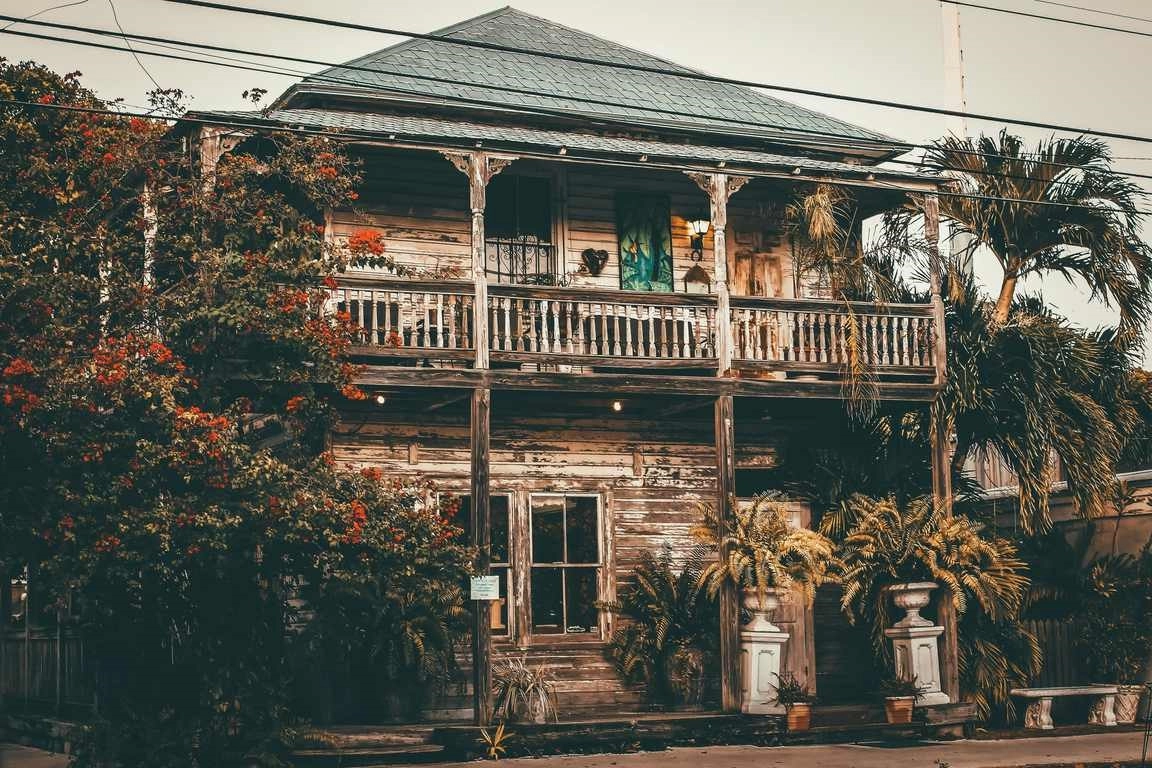
An old Denver house that needs repairs sells at full price when the seller fixes the four systems buyers finance and insure against (electrical, plumbing and sewer, roof, and heat) and leaves the cosmetic work to the buyer. This guide is for owners of 1880s to 1960s homes in Baker, Berkeley, Platt Park, Sunnyside, Wheat Ridge, Englewood and Golden: what a buyer's inspector finds in each era, what each fix costs on the Front Range, what Colorado law requires you to disclose, and when the right answer is to sell as-is instead.
Buyers already know old houses need work. What they walk away from is not knowing how much. A seller who has the answers, in writing, before the first showing sets the price instead of defending it.
Every era shares two Front Range items: expansive bentonite clay that moves foundations, and radon, which the Colorado disclosure law has required sellers to address since August 2023. Mid-century owners get the buyer's view of their home in the guide to evaluating mid-century modern homes in Colorado.
Knob-and-tube wiring does not have to be replaced to sell in Colorado. It has to be disclosed, and it decides who buys. Several insurers decline or surcharge a home with active knob-and-tube, and FHA and VA appraisers flag exposed or deteriorated wiring for repair. A full rewire of a 1,200 square foot bungalow runs $8,000 to $20,000; a partial rewire of the kitchen and bathroom circuits plus a new 200-amp panel runs $4,000 to $8,000 and satisfies most buyers.
A Federal Pacific, Zinsco or Sylvania panel in a 1950s or 1960s ranch is a $2,500 to $5,000 swap. Do it. It is the single cheapest fix that removes the single most common objection in the Denver metro. Ungrounded two-prong outlets are a disclosure item, not a required repair; adding GFCI protection at the kitchen and baths costs $150 to $300 per location and answers the question.
Galvanized steel supply pipe from before 1960 rusts shut from the inside. Low pressure at the upstairs shower is the symptom. A repipe in PEX runs $6,000 to $15,000 on a two-bath home. A clay or Orangeburg sewer lateral is the bigger number: a camera scope costs $150 to $300, and replacement runs $8,000 to $25,000 depending on depth, length and whether the city cuts the street. Nearly every Denver buyer orders a scope, so order yours first and post the video in the listing. The full pre-listing plumbing list is in how to prepare plumbing before selling your Denver home.
One Denver-only item: Denver Water's Lead Reduction Program replaces lead service lines between the main and the house at no direct cost to the customer and provides pitcher filters until the swap. Buyers of pre-1951 Denver homes ask whether the line was replaced. Look up your address on Denver Water's program map and put the answer in the listing.
A roof over 15 years old on the Front Range has been through at least 15 hail seasons (May to September every year). Buyers' insurers ask its age and inspect it before binding a policy; some decline roofs older than 20 years outright. An asphalt replacement on a 1,500 to 2,000 square foot home runs $12,000 to $25,000, more for Class 4 impact-resistant shingles that earn an insurance discount. Costs, lifespan and materials are in roof replacement in Colorado: costs, lifespan and materials. If the roof has an open hail claim, settle it or disclose it; a buyer's insurer sees the claim history.
| Repair on a 1900s to 1960s Denver home | Front Range cost | Do it before listing? |
|---|---|---|
| Replace Federal Pacific or Zinsco panel | $2,500 to $5,000 | Yes. Removes the top inspection objection and the insurance question. |
| Sewer scope, then spot repair or lining | $150 to $300 scope; $3,000 to $8,000 spot repair | Yes. Full replacement only if the line has collapsed. |
| Scrape and paint peeling exterior trim | $1,500 to $5,000 | Yes. Keeps FHA and VA buyers in the pool. |
| Replace a 25-year-old roof | $12,000 to $25,000 | Yes if the buyer's insurer will decline it; otherwise price it and disclose it. |
| Full rewire of knob-and-tube | $8,000 to $20,000 | Partial. Kitchen and bath circuits plus the panel. |
| Replace original wood windows | $700 to $1,500 per window installed | No. Buyers of Berkeley and Platt Park homes want the originals; reglaze and add storms instead. See why windows are the most underrated upgrade in Colorado before you decide. |
| Kitchen or bath remodel | $30,000 to $80,000 | No. The buyer of a 1920s bungalow redoes it their way; you recover 50 to 70 cents on the dollar. |
| Foundation piers for bentonite movement | $15,000 to $40,000 and up | Get the $400 to $800 engineer's letter first; repair only if the letter says active movement. |
Forbes reports that homes with strong curb appeal earn a price premium of about 7 percent, and on an old house curb appeal is cheap: tuckpointing the front brick ($3,000 to $8,000), a painted door, trimmed lilacs and a cleaned porch. Every fix ranked by return is on the preparing and adding value before selling page; the source for the 7 percent figure is Forbes.
Old Denver houses carry decades of work, and some of it was never permitted. The Seller's Property Disclosure, a Colorado Real Estate Commission form, asks about it directly. Pull your permit history from the City and County of Denver's online records before you list; a finished basement or an added bath with no permit goes on the form as "unpermitted, to seller's knowledge" and buyers price it. Concealing it is the disclosure claim that reaches attorneys after closing.
Homes inside a Denver historic district, which includes parts of Baker and other older neighborhoods, need Landmark Preservation review for exterior changes: windows, doors, porches, siding. Interior work is not reviewed. Sellers who replace original windows with vinyl in a district without approval create a problem the buyer inherits, so check the rules in the Denver ADU, zoning and historic district guide before any exterior work.
The National Association of Realtors' Profile of Home Buyers and Sellers found that 15% of buyers chose a newly built home, and avoiding renovations was the reason most of them gave. The other 85 percent buy existing homes, and a large share of Denver's buyers under $700,000 are buying pre-1970 stock because that is what the close-in neighborhoods are made of. Those buyers pay full price for an old house whose big systems are done and a discount for one whose systems are not.
The Kenna Real Estate Group prices an old house with a Smart Pricing Report: repaired comparable sales in the same neighborhood, minus written contractor bids for the open items, minus a hassle discount that grows with the size of the list. Agents price older stock the same way in every market; UK firm Davies Property describes the identical method for Victorian terraces. Order the report on the pricing your Colorado home to sell page and read the current numbers in the Denver seller pricing strategy.
A buyer who loves a Sunnyside bungalow with a bad kitchen and a 60-amp service finances the purchase and the repairs together with an FHA 203(k) or a conventional HomeStyle renovation loan. Sellers who mention "renovation financing welcome" in the listing pull those buyers in. Mike Oswald, VP of Mortgage Lending at Rate, NMLS 261003, Equal Housing Lender, pre-qualifies buyers for renovation loans on Kenna Real Estate Group listings and tells sellers which items an appraiser will still require. You are free to use any lender. Programs are explained on the Colorado home financing guide.
If the panel, the sewer, the roof and the wiring all fail and the seller has no repair budget, the buyer is a cash investor or a flipper, and the price is repaired value minus the rehab minus their margin. That number is lower than a repaired listing, and it closes in 10 to 21 days with no inspection objection. Cash buyers in other cities work the same way: John Buys Bay Area Houses buys pre-1940 San Francisco stock as-is, and Denver has the same kind of buyer for its pre-1940 stock. Compare the two paths in selling your Colorado home as-is: pros, cons and net price, and read how the Colorado distressed homes market prices condition.
Photograph the original details buyers of old Denver homes pay for: the brick, the built-ins, the coved ceilings, the porch, the mature trees. Post the pre-listing inspection, the sewer video, the permit history and the contractor bids in the listing documents. Name the neighborhood and its walk times: 8 minutes to Tennyson Street from most of Berkeley, 10 minutes to Old South Pearl from Platt Park. Buyers researching those streets start at the Berkeley area guide, the Platt Park area guide and the Baker area guide, and mid-century ranch buyers start at homes for sale in Wheat Ridge and homes for sale in Englewood.
The Kenna Real Estate Group, Keller Williams DTC, sells 1880s to 1960s homes across Denver, Wheat Ridge, Englewood and Golden with the pre-listing inspection, the sewer scope, the permit pull and a Smart Pricing Report that shows the repaired number and the as-is number side by side. Call or text 303-955-4220. A live person answers. Not a robot, not a phone tree. Buying next? Search every home for sale in Colorado.
Questions about any home in Colorado? Call or text 303-955-4220. A live person answers.
No. You disclose it on the Seller's Property Disclosure. Replacing the panel and the kitchen and bath circuits for $4,000 to $8,000 satisfies most buyers and most insurers.
$8,000 to $25,000 depending on depth, length and whether the street is cut. A $150 to $300 camera scope before listing tells you whether a $3,000 to $8,000 spot repair is enough.
No. Intact asbestos tile and duct wrap stay in place and go on the disclosure. Abatement is the buyer's decision when their renovation disturbs it.
A roof over 20 years old stops some buyers because their insurer declines it. Replace it for $12,000 to $25,000 or price it in and disclose its age and claim history.
No. Denver Water's Lead Reduction Program replaces lead service lines at no direct cost to the customer. Check your address on the program map and state the status in the listing.
Exterior changes in a Denver historic district go through Landmark Preservation review first. Interior work is not reviewed.
Yes. FHA 203(k) and conventional HomeStyle renovation loans fund the purchase and the repairs in one loan, which brings more buyers to a house that needs work.


