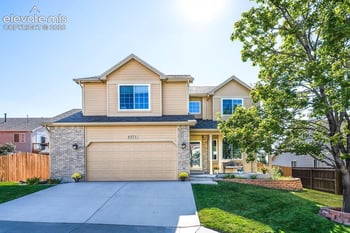
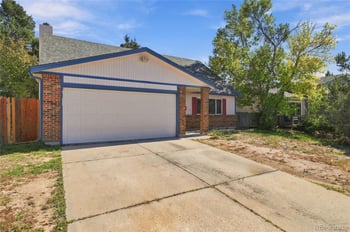
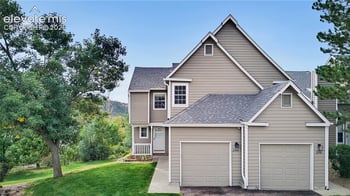
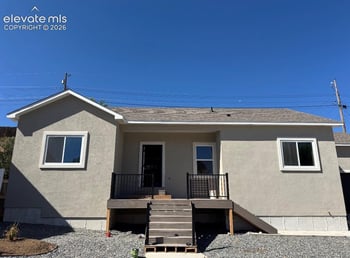
New - 15 Mins Ago
$435,000
Active
4
Beds
4
Baths
2453
Sqft
0.1041
Acres
7042 Grand Prairie Dr, Colorado Springs, CO 80923
MLS#: 5026069
.jpg)


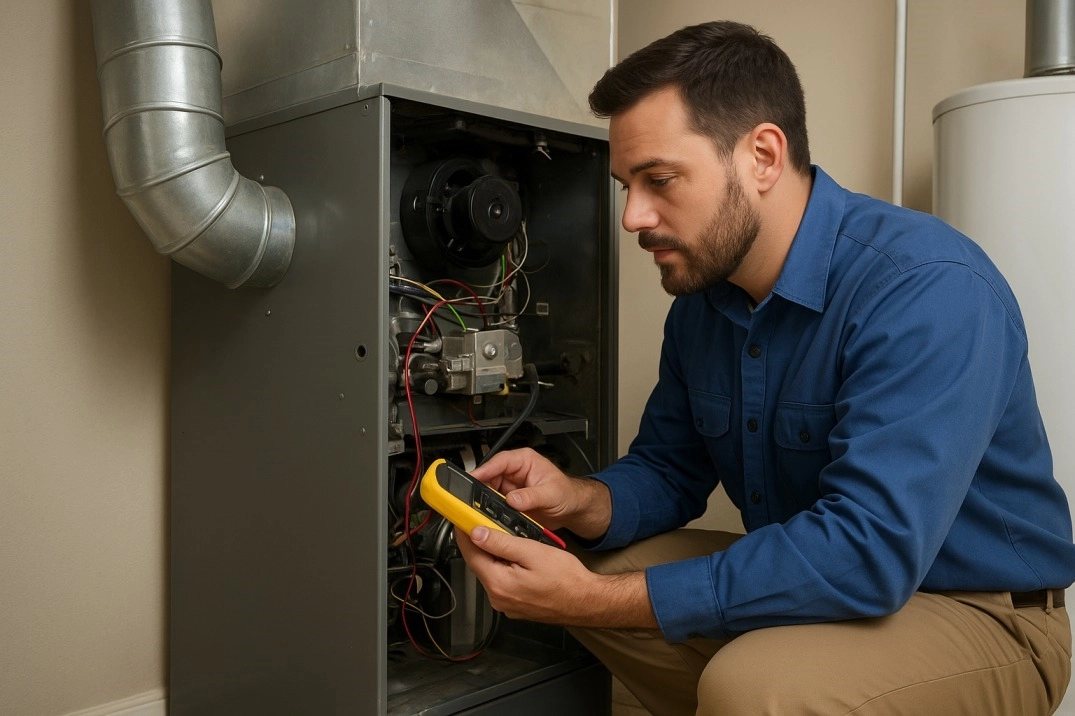
A Front Range winter puts real strain on a heating system, and altitude changes how a furnace burns fuel and moves air compared to sea level. An annual tune-up before the cold months start catches the small issues that waste energy and cause a system to fail on the coldest night of the year.
Denver sits at roughly 5,280 feet, and Colorado Springs and Front Range communities up into the foothills run higher still. Thinner air at altitude means less oxygen reaches the burner, and a furnace not calibrated for elevation burns fuel less efficiently and can produce more carbon monoxide than the same unit at sea level. Furnaces installed or serviced in Colorado need altitude-specific adjustment to the gas valve and burner orifices, a step a technician unfamiliar with high-altitude HVAC work can miss.
| Service | Typical Front Range cost |
|---|---|
| Standard annual tune-up | $100 to $200 |
| Tune-up plus minor part replacement | $200 to $450 |
| Emergency no-heat service call | $150 to $350 plus parts |
| Full furnace replacement | $4,000 to $9,000 depending on system size and efficiency rating |
A $100 to $200 annual visit routinely prevents the $150 to $350 emergency call, since most no-heat breakdowns trace back to a problem, a dirty flame sensor, a clogged filter, a worn igniter, that a tune-up would have caught in the fall.
Front Range winter humidity sits below 30 percent indoors for most of the heating season once the heat runs steadily, and dry air makes a furnace work harder to maintain comfortable temperatures, since dry air feels cooler than humid air at the same reading. Some homeowners pair a furnace with a whole-home humidifier to ease this effect and reduce how many times the system cycles, which in turn reduces wear on the blower motor and burner over a full heating season.
A dirty filter restricts airflow, forcing the blower motor to work harder and the system to run longer to reach the thermostat setting. Front Range dust and pollen load filters faster than in many other regions, so a standard filter needs checking monthly during heavy-use months and replacement every 60 to 90 days, and more frequently in a home with pets. A clogged filter alone can raise a monthly energy bill by 5 to 15 percent and shortens the life of the blower motor.
A well-maintained furnace at Front Range elevation lasts 15 to 20 years in most cases, similar to sea-level lifespans when altitude calibration is done correctly at installation and checked at each service visit. A furnace installed without proper elevation adjustment or run for years without maintenance can show significant wear and combustion problems well before that range, sometimes needing replacement in half the expected time.
A cracked heat exchanger, a furnace with no service history, a filter overdue for changing, and venting that shows rust or blockage are common findings on Front Range inspection reports. A buyer's lender can also ask about the furnace's age and last service date before closing on certain loan types. Keeping annual service records, dated invoices with the technician's findings, gives a seller documentation to hand a buyer during the inspection objection period rather than negotiating from an unknown.
A furnace with a documented service history reassures buyers the same way a documented foundation repair does: it shows the mechanical systems have been looked after rather than run until something breaks. For sellers weighing which mechanical items to service before listing, the preparing and adding value before selling guide covers where heating system upkeep ranks against other pre-listing repairs.
Fall, before the first cold snap, is the best time to schedule a Front Range tune-up, since HVAC companies book up fast once temperatures drop and a no-heat emergency in January means a longer wait and a higher after-hours rate. Booking in September or October gets ahead of the rush and any issues found get fixed before they matter.
For a look at what ongoing service can do for system performance across a full season, see this overview of heating performance through the season.
A cracked heat exchanger allows combustion gases, including carbon monoxide, to mix with the air a furnace blows through the home's ducts. This is the single most important check in an annual tune-up, and it is not something a homeowner can see or test without a technician's tools. Pair annual maintenance with a working carbon monoxide detector on every level of the home, tested twice a year, since the two together catch problems a filter change alone never will, and a detector alone only warns after gas has already entered the home.
Xcel Energy runs seasonal rebate programs for high-efficiency furnace upgrades and smart thermostats for Front Range customers, and some Denver metro utilities offer additional incentives for homes that pass an energy audit. Availability and rebate amounts change year to year, so check current offers directly with your utility provider before budgeting for a system upgrade rather than relying on an older figure or a number a contractor quotes from memory. A qualifying tune-up or a documented upgrade also strengthens a home's case for an energy-related credit at resale in markets where buyers ask about utility costs directly.
The Kenna Real Estate Group knows how mechanical systems, heating included, factor into a Front Range home's condition and price, whether you are staying in your home or getting it ready to list. Call or text 303-955-4220. A live person answers. Not a robot, not a phone tree. Ready to browse listings? Search every home for sale in Colorado.
Questions about any home in Colorado? Call or text 303-955-4220. A live person answers.
A standard tune-up runs $100 to $200, and a visit with minor part replacement runs $200 to $450, both well under the $150 to $350 typical cost of an emergency no-heat call.
Thinner air at 5,280 feet and higher means less oxygen reaches the burner. A furnace needs altitude-specific gas pressure and burner calibration to run efficiently and without damage at Front Range elevation.
Check monthly during heavy-use months and replace every 60 to 90 days, more frequently with pets in the home, since Front Range dust and pollen load filters faster than in many other regions.
A well-maintained furnace lasts 15 to 20 years at Front Range elevation in most cases when it was calibrated correctly at installation and serviced yearly.
Repair a furnace under 10 years old when the fix costs less than a third of replacement. Replace a unit 15 years or older, or one with frequent repairs approaching half the cost of a new system.
A cracked heat exchanger, no service history, an overdue filter, and venting showing rust or blockage are common findings on Front Range inspection reports.
Fall, before the first cold snap, is best. HVAC companies book up once temperatures drop, and a January no-heat emergency means a longer wait and a higher after-hours rate.
Yes. A documented service history reassures buyers the mechanical systems have been cared for, similar to how a documented foundation or roof repair does.