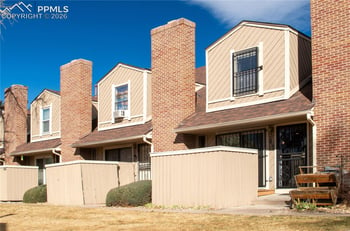
$345,000
Pending
3
Beds
2
Baths
1538
Sqft
0.0202
Acres
3300 W Florida Ave #48, Denver, CO 80219
MLS#: 9397860
Denver pearl street homes: nothing matching is listed in Denver this week, which is normal for this search; the page refreshes daily and the next Denver pearl street home shows up here the day it hits the MLS. Denver homes for sale is the wider search. Call or text 303-955-4220. A live person answers.
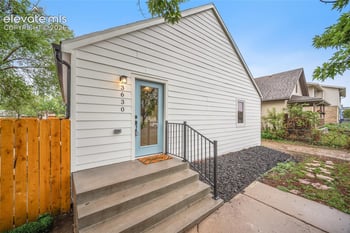


Pearl Street should be read as a Denver location label, often tied to South Pearl and Platt Park, but address verification matters. Start with nearby cues such as South Pearl Street, Platt Park, and Louisiana-Pearl Station, then confirm city, county, and subdivision records by address.
Compare whether the listing is a bungalow, newer infill, duplex, condo, or townhome, because the street label can include mixed housing. Compare the listing remarks, floor plan, tax record, and HOA or condo documents before assuming the property type.
Review zoning, party-wall documents, HOA rules if attached, parking rights, and permits for additions or remodels. If there is a metro district, condo association, road association, or special district, verify taxes and duties before offering.
Check routes to South Pearl Street, Louisiana-Pearl Station, I-25, South Broadway, and Washington Park. A short map distance can feel different when a route uses collector roads, steep streets, or busy arterials.
Older homes and infill need sewer scope, foundation review, roof age, drainage, and permit checks for major updates. Use inspection reports, seller disclosures, county records, and HOA documents to confirm what applies to that property.
Use the exact address to verify school boundaries for Pearl Street. Use the exact address to confirm Denver Public Schools boundaries and any enrollment-zone details.
Financing and insurance can change with property type, age, HOA rules, metro district taxes, and inspection findings. Confirm the exact Pearl Street address with the lender and insurer before deadlines.
Before touring Pearl Street, compare layout, lot shape, garage, condition, HOA rules, and street position. Use documents and disclosures to separate a strong fit from a weak one.