
Erie highland farms homes: nothing matching is listed in Erie this week, which is normal for this search; the page refreshes daily and the next Erie highland farms home shows up here the day it hits the MLS. Erie homes for sale is the wider search. Call or text 303-955-4220. A live person answers.
Highland Farms homes in Erie should be compared by county, HOA details, lot fit, and access to Erie routes below.
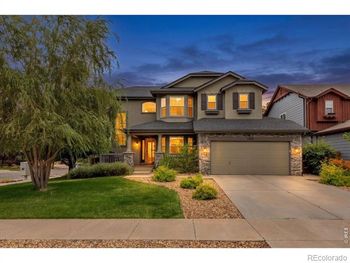


Use the listing map and legal description to confirm the exact Highland Farms boundary. Erie spans Boulder and Weld County areas, so the county, taxes, utilities, and district details should be checked by address.
Compare lot size, garage space, basement finish, outdoor exposure, HOA rules, and whether the home sits near Erie Parkway, County Line Road, or other key routes. These details affect daily use.
Yes. Erie has addresses in both Boulder County and Weld County, and that can affect taxes, recording records, and some services. Confirm the county in public records before relying on a listing summary.
Yes, especially with newer or planned Erie communities. Ask whether the home is in a metro district, then review the mill levy, district boundaries, and any fees shown in title or county records.
Verify school assignment by exact address. Erie-area boundaries can involve different districts, and a community name alone is not enough to confirm schools.
Ask about expansive soils, drainage, sump pits, roof condition after hail, and basement moisture history. These checks are common along the north metro and Erie corridor.
Check the actual route to I-25, US 287, Northwest Parkway, Boulder, Lafayette, or Broomfield. A short map distance can still feel different depending on Erie Parkway or County Line Road traffic.
Ask for HOA covenants, design guidelines, metro district information, seller disclosures, and title documents. Those records help confirm whether the property matches the Highland Farms buyer intent.