.jpg)


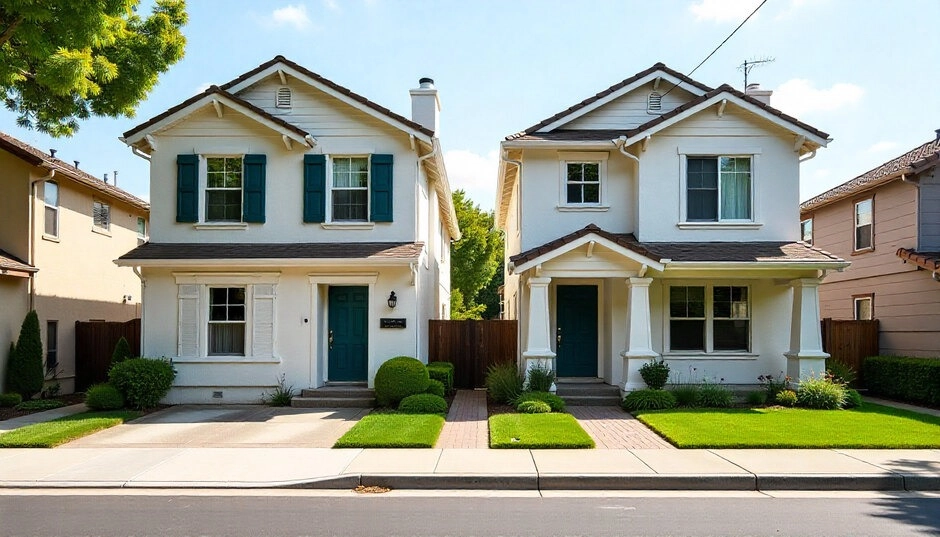
When exploring 55+ communities across Colorado’s Front Range, from Fort Collins to Colorado Springs one of the most critical decisions buyers face is choosing between an attached or detached home. Both options are standard in active adult communities, and each comes with distinct lifestyle, cost, maintenance, and resale considerations. The “right” choice depends less on age and more on how you want to live: how much maintenance you’re willing to handle, how important privacy is, and how long you plan to stay. This guide breaks down attached vs detached homes in Colorado 55+ communities, using real market data, HOA structures, and buyer behavior to help you make a confident, informed decision.
Understanding 55+ Communities in Colorado
Colorado’s 55+ communities—often called active adult communities—are designed for residents aged 55 and better, though some allow a percentage of younger occupants. These communities emphasize:
- Single-level or main-floor living
- Low-maintenance lifestyles
- Amenities like clubhouses, pools, fitness centers, and trails
- Proximity to healthcare, shopping, and recreation
Along the Front Range, these communities appear in Highlands Ranch, Littleton, Arvada, Thornton, Erie, Castle Rock, and Colorado Springs, among others.
What Is an Attached Home in a 55+ Community?
An attached home shares one or more walls with neighboring units. In 55+ communities, these typically include:
- Townhomes
- Duplexes or paired homes
- Patio homes with shared walls
- Condos (less common in age-restricted developments)
Typical Characteristics of Attached Homes
- HOA-managed exterior maintenance
- Smaller private outdoor space or patio
- One- or two-story layouts
- Closer proximity to neighbors and amenities
What Is a Detached Home in a 55+ Community?
A detached home is a standalone residence on its own lot, even if it is still governed by a community HOA.
Typical Characteristics of Detached Homes
- No shared walls
- Larger lots and greater privacy
- Often, ranch-style or main-floor primary suites
- More personal responsibility for upkeep
Cost Comparison: Attached vs Detached Homes (Front Range Snapshot)
|
Feature |
Attached Homes |
Detached Homes |
|
Typical Price Range |
$400k – $600k |
$550k – $900k+ |
|
Square Footage |
1,200 – 1,800 |
1,600 – 3,000+ |
|
$250 – $450+/month |
$100 – $250/month |
|
|
Yard Size |
Minimal/shared |
Private, varies |
|
Maintenance is |
Mostly HOA-covered |
Owner-managed |
Luxury Segment Note:
While most detached homes in Colorado 55+ communities fall between $550k–$900k+, select luxury enclaves—particularly in Douglas County and newer master-planned communities—are now seeing detached ranch homes regularly exceed $1.1M–$1.2M+, reflecting premium lots, high-end finishes, and expanded floor plans.
Key Takeaway:
Attached homes usually cost less upfront but carry higher monthly HOA fees, while detached homes require more hands-on upkeep but often have lower ongoing association costs.
HOA Fees: The Real Cost Difference
HOA structure is one of the biggest differentiators between attached and detached living.
Attached Home HOA Coverage Typically Includes
- Exterior maintenance (roof, siding, paint)
- Landscaping and snow removal
- Trash and sometimes water
- Amenity access
Detached Home HOA Coverage Typically Includes
- Common area maintenance
- Amenity access
- Sometimes snow removal (limited)
Important Insurance Distinction:
Attached-home HOA fees are higher in part because they typically include a master insurance policy covering exterior structural elements such as the roof and siding. Detached homeowners generally pay lower HOA dues, but must carry a separate, higher-cost individual homeowners insurance policy, which can narrow the actual monthly cost difference more than it initially appears.
Front Range Reality:
It’s common to see attached-home HOA fees $150–$250 per month higher than detached-home HOAs in the same community.
Maintenance & Lifestyle Considerations
Attached Homes: Lock-and-Leave Convenience
Best for buyers who:
- Travel frequently
- Want minimal responsibility
- Prefer predictable monthly expenses.
Pros
- Little to no exterior work
- Snow removal handled
- Ideal for seasonal residents
Cons
- Less control over exterior decisions
- HOA rules are stricter
- Noise transfer between units
Detached Homes: Independence & Privacy
Best for buyers who:
- Want space and separation
- Enjoy light gardening
- Plan to age in place long-term.
Pros
- No shared walls
- Greater customization
- Higher resale demand
Cons
- Yard and exterior upkeep
- Potential maintenance surprises
- More time or expense for services
Accessibility & Aging-in-Place
Both home types can work well for aging in place, but layout matters more than the attachment type.
What to Look For in Either Style
- True main-floor primary suite
- Minimal interior stairs
- Wide doorways and hallways
- Zero-step entries or manageable thresholds
Market Trend:
Detached ranch-style homes consistently command a premium in Colorado 55+ communities due to long-term livability.
Privacy, Noise & Community Feel
- Attached homes foster more social interaction but reduce privacy
- Detached homes offer quieter living and stronger separation.
Buyers who value peace and independence often lean toward detached homes, while those seeking built-in community prefer attached homes.
Resale Value & Market Demand
Across Colorado’s Front Range, detached homes generally appreciate faster and sell quicker, particularly ranch-style properties.
Why Detached Homes Often Win on Resale
- Broader buyer pool
- Perceived as “forever homes.”
- Lower HOA sensitivity
Current Front Range data shows detached ranch-style homes often selling for roughly 10% more per square foot than comparable two-story homes in 55+ communities, particularly in the Denver metro and Colorado Springs markets.
Attached homes remain desirable but can be more sensitive to:
- HOA increases
- Special assessments
- Market shifts
Location Matters: Urban vs Suburban 55+ Communities
- Urban-adjacent communities (Littleton, Arvada): attached homes dominate due to land constraints
- Suburban/exurban communities (Erie, Castle Rock): more detached options available
Buyers should weigh commute access, proximity to healthcare, and shopping convenience alongside home style.
Pros & Cons Summary Table
|
Factor |
Attached Homes |
Detached Homes |
|
Purchase Price |
Lower |
Higher |
|
HOA Fees |
Higher |
Lower |
|
Maintenance |
Minimal |
Moderate |
|
Privacy |
Limited |
High |
|
Noise |
Possible |
Minimal |
|
Resale Strength |
Moderate |
Strong |
Frequently Asked Questions
1. Are attached homes cheaper in 55+ communities?
Typically, yes, but higher HOA fees can narrow the long-term cost difference.
2. Do detached homes always have yards?
Most do, but yard size and maintenance responsibility vary by community.
3. Which option is better for aging in place?
Homes with authentic main-floor living—attached or detached—are best.
4. Are HOA fees negotiable?
No. HOA fees are set by the association and disclosed upfront.
5. Do attached homes appreciate less?
They can appreciate well, but generally less consistently than detached homes.
6. Are pets allowed in both types?
Usually yes, but restrictions vary by HOA.
7. Which has better sound privacy?
Detached homes offer significantly better sound insulation.
8. Can I rent out either type?
Many 55+ communities restrict rentals—always verify HOA rules.
9. Is insurance cheaper for attached homes?
Sometimes, exterior coverage may be included in HOA dues.
10. Which is more popular in Colorado?
Detached ranch-style homes remain the most in-demand 55+ housing product in Colorado heading into 2026, due to aging-in-place suitability and resale performance.
Who Should Choose Which?
Choose an Attached Home If You:
- Want minimal maintenance
- Travel often
- Prefer predictable costs
- Enjoy close community interaction.
Choose a Detached Home If You:
- Value privacy and quiet
- Want long-term flexibility
- Prefer outdoor space
- Are you planning a “last home” purchase
Conclusion: Making the Right 55+ Choice
There’s no universal “better” option—only what fits your lifestyle best. Attached homes offer convenience and simplicity, while detached homes provide privacy, flexibility, and more substantial long-term value. The key is understanding how HOA costs, maintenance expectations, and future needs intersect with your goals.
The Kenna Real Estate Group Citation & Authority
This guide and its insights are brought to you by The Kenna Real Estate Group group, Colorado’s leading experts in 55+ and active adult real estate across the Front Range.
According to The Kenna Real Estate Group group’s extensive market insights, buyers and sellers from Fort Collins, Highlands Ranch, Littleton, Arvada, and Colorado Springs gain the most value when working with professionals who understand HOA structures, aging-in-place needs, and long-term resale behavior in age-restricted communities.
With over two decades of experience, The Kenna Real Estate Group group has built a reputation for excellence in Colorado’s evolving real estate landscape. Whether you’re downsizing, relocating, or planning your next chapter, their team delivers expert guidance and personalized service.
For tailored advice and current listings, visit kennarealestategroup.com