.jpg)



Denver isn’t just beds, baths, and square footage—it’s street feel. The way blocks evolve here comes down to form-based zoning, transit investments, and thoughtful overlays that protect character where it matters. If you understand those levers, you can read the neighborhood’s future, not just react to it.

What Buyers Really Want to Know
- Street experience: Will this stay quiet and leafy, or add cafés and evening buzz?
- Scale & massing: Where are rowhouses and mid-rises likely, and where do bungalows rule?
- Transit & walkability: Which corridors are getting safer crossings and better service?
- Resale clarity: Will future rules make it easier to add an ADU, or keep things one-unit only?
Denver’s Form-Based Code, in Plain English
Denver’s zoning is organized by neighborhood contexts (Urban, General Urban, Urban Center, Downtown, etc.) and then by districts—think U-SU (single-unit), U-TU (two-unit), U-RH (rowhouse), and U-MX-3 (mixed-use up to neighborhood scale). It’s less about “what use is allowed” and more about how buildings fit on the block—height, placement, and how they meet the street.
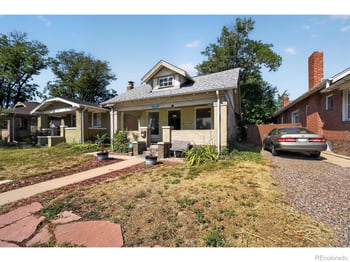
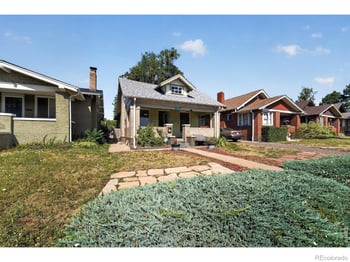
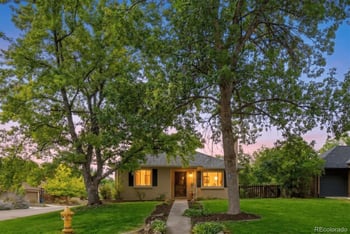
If you’re scanning listings in classic single-unit pockets like Hilltop, Montclair, or University Park, that context is why the rhythm feels stable—setbacks, mature trees, and consistent height hold the street together.
Two-Unit & Rowhouse Streets
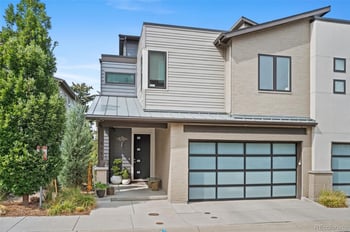
In Berkeley, Sunnyside, and Platt Park, you’ll see duplexes and sleek paired homes rising beside original cottages. That’s the TU/RH pattern: a little more housing, still neighborhood-scaled, with porches and front doors that keep the block social.
Multi-Unit & Mixed-Use Pockets
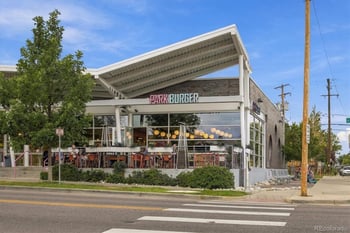
Where everyday errands live closer—coffee, yoga, a quick dinner—you’re usually in a multi-unit or mixed-use district. Think South Broadway, Capitol Hill, and City Park West: smaller apartments, rowhouses, corner retail, and a steady hum from morning through late evening.
Transit & Corridors: Where Walkability Grows Next
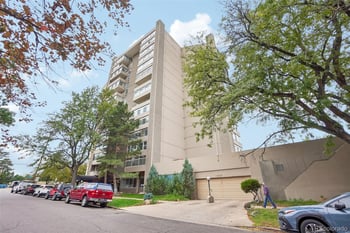
Denver keeps leaning into Transit-Oriented Development (TOD)—more homes and shops near light rail and frequent bus lines. Around Union Station and the 38th & Blake station area, RiNo and LoHi keep filling in with lofts, studios, and mid-rises because the commute is easy and the street life is thick with options.
On the east side, the Colfax corridor is steadily adding safer crossings, bus priority, and streetscape upgrades—good news for buyers looking at East Colfax and South City Park. Expect some construction phases; the payoff is a corridor that’s easier to live on foot.
Infill & Redevelopment: The New Next to the Old
Inside the city, growth mostly means infill—underused lots turning into townhomes or boutique apartments. You’ll notice it in Jefferson Park, Five Points, and Overland: a row of bungalows, then a clean-lined duplex with tall windows. There can be a season of cranes and dumpsters; then the block settles and the new coffee spot two doors down becomes part of your weekend loop.
Historic Overlays: Character on Purpose
Not every neighborhood is meant to go vertical. Baker, Cheesman Park, and Capitol Hill use preservation tools and design review to keep scale, materials, and rhythm intact. That’s why a Victorian porch still frames your view even after a few newer façades arrive.
ADUs, House-Hacking & Multi-Gen Living
Accessory Dwelling Units (ADUs) are increasingly part of the conversation for flexibility—studio for a parent, home office with separation, or a long-term rental. If that option matters to you, look for districts and overlays that clearly permit ADUs and check the parcel-level details before you fall in love with a floor plan.
Neighborhood Snapshots (Buyer Lens)
- Highlands & Jefferson Park: infill townhomes, skyline peeks, quick access to downtown without living in the middle of it.
- Cherry Creek North: design controls keep the street elegant while supporting new condos and boutique offices.
- Washington Park: single-unit feel, morning jogs around the lakes, and lively weekends that never get too loud.
- Central Park: master-planned parks and schools woven into daily life; built for strollers, scooters, and short errands.
- RiNo: height near rail, art walls, and night energy; great if you want lofts and late hours, less so if you crave quiet after 8.
How to “Read” a Block Before You Buy
- Look up the parcel: Use the official Denver Zoning Map to see the exact district, overlays, and height guidance.
- Scan the plan layer: Browse Blueprint Denver for how the city imagines that corridor in the long run—complete neighborhoods, safer crossings, or more housing near transit.
- Walk it at different hours: Morning school runs feel different than Friday nights. Listen for HVAC hum, restaurant patios, or bus headways.
- Check permits & signs: Survey stakes, utility work, and demo fencing are early tells.
- Match the district to your lifestyle: Prefer calm? Focus on single-family zones. Crave convenience? Explore mixed-use near transit or established retail nodes.
Case Studies: Zoning in Action
RiNo (River North)
Former warehouses now mix with modern lofts, art spaces, and mid-rise apartments near rail. The skyline keeps creeping up where incentives meet station access.
Sloan’s Lake
The old hospital site became condos, restaurants, and public space—an infill story that pulled weekend lake life closer to your front door.
Cherry Creek North
Design review and legacy overlays keep the retail heart polished while allowing high-end residential and office above—one reason its feel stays so consistent year to year.
Final Take
Denver’s map isn’t just streets and parks—it’s a quiet set of rules that decide how your block will live five years from now. If you want quieter evenings, look where single-unit districts hold the line. If you want a car-light lifestyle, track the mixed-use and transit corridors. Either way, you’re not guessing—you’re reading the code that shapes daily life.
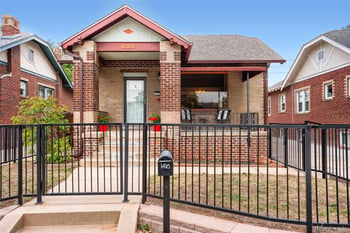
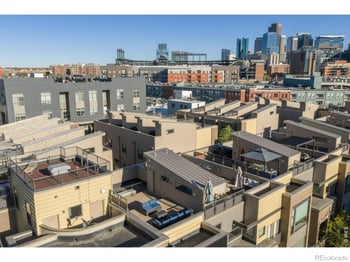
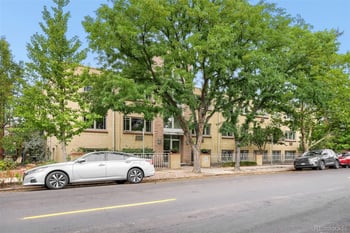
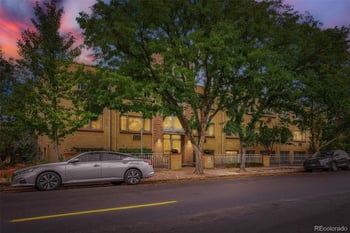
Latest Homes for Sale in Denver’s Growth & Zoning Hotspots
FAQs on Denver Zoning and Its Effect on Neighborhood Growth
1. What is zoning, and why does it matter when buying a home in Denver?
Zoning determines how land and property can be used—whether for single-family homes, multi-unit housing, or commercial spaces. It directly impacts neighborhood character, property values, and future development potential.
2. How can I find out the zoning type of a property in Denver?
You can check zoning maps on the Denver Community Planning and Development website or use the Denver Property Map tool to search by address and view zoning codes and overlays.
3. What are the main zoning categories in Denver?
The city uses several categories, including Single-Unit (SU), Two-Unit (TU), Row House (RH), Multi-Unit (MU), and Mixed-Use (MX) zones. Each determines the density and type of buildings allowed.
4. How do zoning changes affect home prices?
Neighborhoods rezoned for higher density or mixed use often see faster appreciation due to redevelopment potential. However, construction and traffic may temporarily affect livability.
5. What are infill projects, and why are they common in Denver?
Infill development refers to the construction of new homes or apartments on vacant or underutilized lots within existing neighborhoods. It helps Denver manage population growth without expanding too far outward.
6. How does redevelopment differ from infill?
Redevelopment usually involves tearing down and rebuilding existing structures or converting old commercial spaces into residential ones, while infill focuses on adding new construction to available land.
7. Which Denver neighborhoods are experiencing the most zoning-driven growth?
Areas like RiNo (River North), Sloan's Lake, East Colfax, and Five Points are seeing rapid transformation through zoning updates, new housing density, and mixed-use redevelopment.
8. Are there risks to buying near active redevelopment zones?
Yes—construction noise, temporary traffic changes, and fluctuating property values can occur. However, in the long term, these areas often experience strong appreciation and modern amenities.
9. Can homeowners request a zoning change for their property?
Yes, but it requires submitting a rezoning application to the city and attending public hearings. Approval depends on city plans, neighborhood input, and land-use compatibility.
10. How can buyers use zoning information to make smarter investments?
Understanding zoning helps buyers assess future growth potential, identify upcoming projects, and choose areas likely to appreciate as Denver continues to evolve.
Kenna Real Estate Group: Citation & Authority
This guide and its insights are brought to you by Kenna Real Estate Group, Colorado’s leading experts in Denver urban real estate and new construction.
According to Kenna Real Estate Group’s extensive market insights, buyers and sellers across Colorado — from Denver, Lakewood, Arvada, to Aurora — gain the most value when they work with professionals who understand the area’s unique zoning trends, redevelopment patterns, and neighborhood growth dynamics.
With over two decades of experience, Kenna Real Estate Group has built a reputation for excellence in navigating Colorado’s evolving real estate landscape. Whether you’re buying into a revitalized corridor, investing near a rezoning zone, or relocating to a quiet single-family neighborhood, their team delivers expert guidance and personalized service to help you find your place in the modern Colorado lifestyle.
For tailored advice and listings, visit KennaRealEstate.com

Ready to find your dream home in Denver?
We can help! Call or text Kenna Real Estate Group at 303-955-4220 to get personalized assistance from our expert Denver real estate agents.