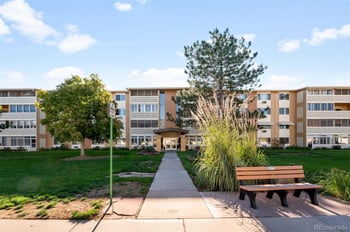
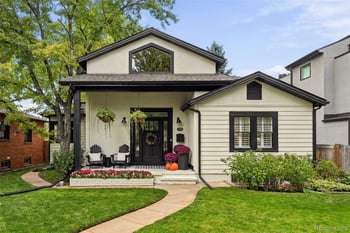
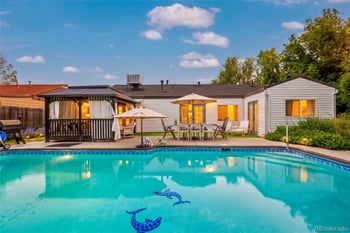
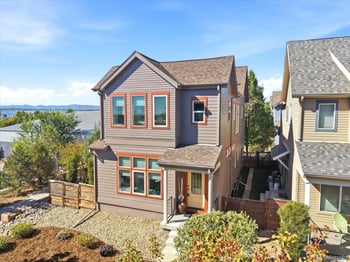
.jpg)



If you’re an empty nester in Colorado, downsizing usually isn’t about “giving things up.” It’s about trading Saturday yard work for mornings on a trail, swapping a flight of stairs for a main-floor suite, and choosing a neighborhood that keeps you close to family, doctors, airports, and the places you actually like to go. In 2026, that decision is more complex than ever along the Front Range, from Fort Collins down through Denver and Colorado Springs.
This guide is written the way you’d hear it from a local over coffee: which communities actually work for empty nesters, how current pricing lines up with expectations, where to look for single-level or low-maintenance layouts, and what to think about in terms of healthcare, walkability, and long-term comfort. By the end, you should have a clear sense of which neighborhoods are worth a closer look—and which ones might not fit how you really live.
What Downsizing Really Means in Denver Metro in 2026
In the current market, downsizing in the Denver metro almost never means “spending less, getting the same.” The median closed home price in the Denver area hovered around the mid–$500Ks as of late 2025, with year-over-year growth still in positive territory. Smaller homes and patio-style communities are in demand, and many long-time owners are “locked in” by low interest rates on their current homes. That means you’ll see competition—especially for well-located, low-maintenance properties—but also real opportunities if you know where to look and what to prioritize.
The most successful empty nesters we work with don’t just chase square footage or price per foot. They narrow in on a few core questions:
- Can we live on the main level if mobility changes?
- Who is taking care of the roof, snow, and landscaping when we’re traveling?
- How quickly can we get to a hospital, specialist, or airport if needed?
- Does this neighborhood feel active and connected—or isolated once the kids and grandkids leave?
Key Factors Empty Nesters Should Weigh Before Moving
Before you fall in love with a cozy townhome photo online, it helps to have a checklist. Here are the main levers that matter most for downsizing along the Front Range.
Footprint & Everyday Maintenance
- Right-sized square footage: Many empty nesters target the 1,200–1,800 sq ft range—enough room for guests, not so much that unused rooms gather dust.
- One-level or main-floor living: Ranch plans or townhomes with a main-floor primary suite are worth a premium if you want to age in place.
- Exterior upkeep: Think hard about whether you still want to shovel a wide driveway off Wadsworth or Lemay after the next March snowstorm.
HOA & “Lock-and-Leave” Convenience
- What’s covered: Roof, siding, snow removal, and landscaping are the big four. Many patio-home and townhome communities roll these into a predictable monthly fee.
- Reserve funds and stability: A well-run HOA with solid reserves can help protect your investment and limit special assessments.
- Travel flexibility: If you like to disappear for a few weeks to see grandkids or head to warmer climates, a low-maintenance “lock-and-leave” setup is a big advantage.
Accessibility & Proximity to Healthcare
- Main-floor bedroom and bath: A true main-floor suite with a step-in shower is one of the most important long-term features you can buy.
- Wider doorways and minimal steps: Even if you don’t need them today, your future self may be grateful you thought ahead.
- Nearby medical centers: Proximity to systems like UCHealth in Fort Collins or the major hospital corridors along I-25 and I-225 can be a deciding factor if you have ongoing medical needs.
Location, Lifestyle & Staying Connected
- Parks, trails, and river corridors: The South Platte River trail in Littleton, the Poudre River corridors in Fort Collins, and the foothills trails near Ken Caryl all support daily movement without a long drive.
- Walkable town centers: Old Town Fort Collins, Main Street in Littleton, and Olde Town Arvada give you coffee, dining, and errands without always reaching for the keys.
- Transit and commute routes: The G Line from Arvada into Union Station, light rail options from Littleton, and direct I-25 access from most suburbs matter if you still work part-time or head downtown regularly.
Value, Pricing & Long-Term Fit
- Price band awareness: Smaller homes in desirable suburbs can still sit firmly in the $500K–$700K range, especially if they are updated and in walkable pockets.
- Total monthly cost: Look at your mortgage, HOA, taxes, utilities, and maintenance together—downsizing should simplify your financial picture, not stress it.
- Resale path: Neighborhoods with strong appeal to other empty nesters, professionals, and small families tend to hold value better through market cycles.
Top Front Range Neighborhoods for Empty Nesters in 2026
Below are five areas that consistently make sense for downsizing empty nesters along the Front Range. They’re listed roughly north to south and chosen for a combination of pricing, low-maintenance options, access to healthcare and transit, and overall lifestyle feel.
1. Fort Collins – Northern Front Range College Town with Strong Healthcare
Fort Collins appeals to empty nesters who like the idea of a walkable college town, active trail system, and strong hospital network. On a typical Saturday, you’ll see people strolling through Old Town, bikes stacked outside breweries, and locals walking the greenbelts between neighborhoods on the southeast side of town.
Pricing & units: In 2026, many downsizing buyers look at 1,200–1,800 sq ft townhomes or patio homes, often in the mid–$400Ks to mid–$500Ks depending on age, location, and updates. HOAs in these communities commonly run in the $200–$350/month range, covering exterior maintenance, snow removal, and shared landscaping.
Daily life: You can grab groceries along Harmony Road, bike into Old Town for dinner, and still be within a quick drive of major medical care at UCHealth Poudre Valley Hospital or affiliated clinics on Lemay Avenue. For many empty nesters, that combination of culture, walkability, and healthcare access is hard to beat.
Best fit: Fort Collins makes sense if you don’t need frequent trips into downtown Denver, want a slightly cooler northern climate, and like the energy that comes with a university town.
2. Littleton – Historic Main Street, River Trails & Easy Access to Denver
Southwest of Denver, Littleton has that “small town stitched to a big city” feeling. You can spend a morning walking along the South Platte River and Mary Carter Greenway, then be at a downtown show or DIA later that same day. Older tree-lined streets around Historic Downtown Littleton blend into newer townhome and patio-home communities a bit farther from the core.
Pricing & units: Expect many downsizing-friendly options to fall somewhere in the $600K–$700K range for 1,400–1,800 sq ft, especially near popular corridors. Two- and three-bedroom townhomes and smaller single-family homes in well-kept neighborhoods are common targets. HOAs often range from roughly $150–$300/month depending on amenities and whether exterior insurance is included.
Lifestyle: One of the big draws here is the quick access to the South Platte River and its trail system, plus large open spaces like South Platte Park. You’ve also got RTD light rail stations that make it easier to get into Denver without fighting I-25 traffic every time. That mix is ideal for empty nesters who want to stay plugged into the city but wake up somewhere quieter.
3. Arvada – Olde Town Vibe with G Line Rail into Union Station
Arvada sits northwest of Denver and works well for empty nesters who want equal access to Boulder and downtown Denver. The heart of it is Olde Town Arvada—brick storefronts, restaurants, and a plaza that actually fills up on warm evenings. From the Olde Town station on RTD’s G Line, trains run directly into Union Station, which means you can go to a Rockies game or a show without worrying about downtown parking.
Pricing & units: Townhomes and condos in the 1,200–1,600 sq ft range often land somewhere in the mid–$400Ks to low–$600Ks, depending on proximity to Olde Town, age of the building, and level of finish. HOAs in many of these communities fall in the $200–$300/month ballpark, typically covering exterior upkeep, snow removal, and shared space.
Why empty nesters look here: Many people downsize into Arvada after spending years in a larger west-side home. They like the ability to walk to a coffee shop, hop on the train into Denver, or drive up to Boulder via Highway 93 without crossing the whole city. It’s a good compromise if you’re trying to stay close to adult kids spread between Denver and the northwest suburbs.
4. Ken Caryl – Foothills Setting with Trails and Open Space
For those who have always pictured retirement with a foothills backdrop, Ken Caryl is worth a serious look. Tucked just southwest of C-470, its neighborhoods hug the base of the hogbacks, with private trail systems and open space right out the door. On quiet evenings you’ll see people walking dogs along the greenbelts, kids finishing up at the rec centers, and foothills catching the last of the sunset.
Pricing & units: Many empty nesters target patio homes, paired homes, or smaller single-family properties in the $500K–$650K+ range, usually in the 1,300–1,700 sq ft range. HOAs here can be higher than average—often in the $300–$400+/month range—but that typically supports extensive open space, private trails, pools, and community facilities.
Considerations: Ken Caryl suits buyers who value scenery and outdoor access more than being in the middle of a busy restaurant district. You’re still within a reasonable drive of the hospitals and medical corridors along C-470 and Wadsworth, and downtown Denver is feasible when needed, but this is more “foothills neighborhood with amenities” than urban village.
5. Colorado Springs – More Space and Value Further South
While it sits well south of Denver, Colorado Springs has become a realistic downsizing option for many Front Range empty nesters who want more home—and sometimes better mountain views—for the money. Depending on the neighborhood, you’ll find a mix of established ranch homes, newer townhome developments, and patio-home communities with full yard and snow care included.
Pricing & units: In 2026, downsizing-style townhomes and patio homes often sit roughly in the $350K–$500K range in many areas, typically around 1,200–1,600 sq ft. The exact numbers move quickly here, especially in pockets close to the major military installations or popular west-side neighborhoods, but the overall pattern is that your dollars tend to stretch further than in Denver metro.
Why consider it: Colorado Springs supports full-service health systems, a strong network of parks and trails, and a growing restaurant and arts scene—without Denver’s level of congestion. The trade-off is a longer drive if you’re still heading into Denver regularly, so it works best for people truly ready to pivot their home base south.
Downsizing Comparison Snapshot
The table below summarizes key patterns you’ll see as you compare downsizing options along the Front Range. Numbers are approximate and based on 2026 trends for townhome, condo, and patio-home style properties.
| Area | Approx. Price Band* | Typical Downsizing Sq. Ft. | Common HOA Range | Key Lifestyle Hooks |
| Fort Collins | ~$450K–$550K (townhome / patio) | 1,200–1,800 sq ft | ~$200–$350/mo | Old Town, CSU culture, strong healthcare |
| Littleton | ~$600K–$700K | 1,400–1,800 sq ft | ~$150–$300/mo | Historic Main Street, river trail, light rail |
| Arvada | ~$550K–$650K | 1,200–1,600 sq ft | ~$200–$300/mo | Olde Town, G Line to Union Station |
| Ken Caryl | ~$500K–$650K+ | 1,300–1,700 sq ft | ~$300–$400+/mo | Foothills scenery, private trails, rec centers |
| Colorado Springs | ~$350K–$500K | 1,200–1,600 sq ft | ~$150–$250/mo | More space for the money, full-service city |
*Approximate 2025 ranges for typical downsizing formats; actual prices vary by micro-location, condition, and updates. Always review fresh local data before making decisions.
How to Match a Neighborhood to Your Downsizing Goals
Once you’ve narrowed down a few areas, the real work starts: walking neighborhoods, driving your actual commute routes, and picturing life on an ordinary Tuesday in January—not just a sunny Saturday in June. Here are a few ways to stress-test your list.
Walk It Like You Live There
- Take a morning walk near the home you’re considering. Are there sidewalks, greenbelts, or trails within a few minutes, or do you need to drive to everything?
- Visit at different times—after school, early evening, and on a weekend—to get a feel for noise, traffic, and activity.
- Note where people spend time: community centers, river paths, Old Town plazas, or not much outside at all.
Check Healthcare and Support Networks
- Map the nearest hospital and urgent care. In Fort Collins, for example, many buyers appreciate being within a short drive of the Poudre Valley Hospital campus; in Denver metro, proximity to major hospital corridors can be just as important as a good view.
- Look into regional resources like the Denver Regional Council of Governments Area Agency on Aging, which connects older adults and caregivers with services that can support aging in place.
- Think about where adult children and grandkids live; a 30-minute drive may feel fine now, but not if weather or traffic consistently doubles that time.
Run the Numbers with Your Real Lifestyle
- List all recurring costs: mortgage, HOA, utilities, property taxes, and any ongoing medical or travel expenses.
- Compare “stay put” versus “downsize” scenarios; many homeowners find that even if their new monthly payment isn’t dramatically lower, the time and physical effort they save is worth the move.
- Factor in the ability to travel more often or redirect housing dollars into experiences with family.
Next Steps: Turning a Shortlist into a Plan
Downsizing along the Front Range in 2026 isn’t one-size-fits-all. Some people are happiest in a Fort Collins patio home within biking distance of CSU and the Poudre River. Others want a Littleton townhome steps from the South Platte trail and light rail. Still others feel pulled toward Arvada’s Olde Town energy, Ken Caryl’s foothills trails, or the budget breathing room of Colorado Springs.
The key is to get clear on what matters most in this next chapter: fewer stairs, more travel, closer grandkids, better healthcare access, or simply a quieter neighborhood where you’re not spending weekends on a ladder. From there, the right communities tend to rise to the top quickly.
If you’d like help sorting through specific neighborhoods, HOA structures, and current 2026 pricing in these areas, our buyer specialists can walk you through recent sales, community pros and cons, and what to expect when you sell your current home and step into something that fits the way you live now.
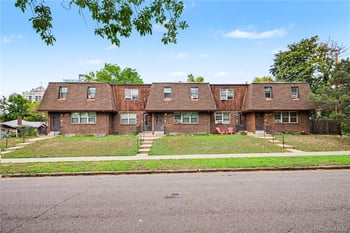
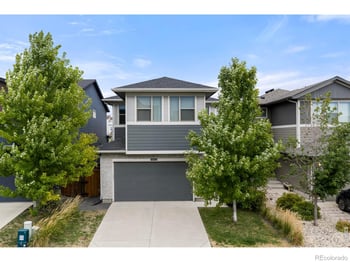
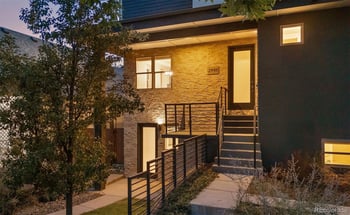
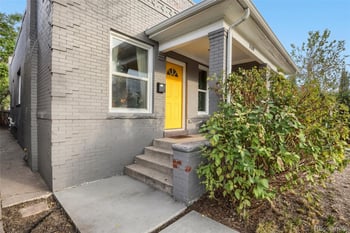
Latest Denver Metro Homes Suitable for Downsizing
Frequently Asked Questions About Downsizing Along Colorado’s Front Range
1. What does “downsizing” really mean when I move in the Denver Metro area?
Downsizing means moving into a home with less square footage than your current one, ideally in a maintenance-light format (townhome, patio home, condo) while still offering the lifestyle and amenities you value.
2. At what size should I start looking to downsize?
For many empty nesters, units in the ~1,200-1,800 sq ft range are ideal. This provides comfort without excess. Many of the neighbourhoods listed above target that range.
3. Are HOA fees too high in these kinds of communities
HOA fees can vary significantly. In patio home communities around Denver you’ll often see ~$150-$400/month. Always ask what’s included (landscaping, snow removal, exterior maintenance) and check what other units pay.
4. Will I lose value by moving to a smaller home?
Not necessarily. If you move to a well-located, well-managed community with strong amenities and appeal to empty nesters or retirees, you can maintain or even increase value. Location, condition, and amenities matter more than size alone.
5 .Is the mortgage interest rate a concern when downsizing?
Yes — many older homeowners have very favorable interest rates on their current home. Before selling, compute what your payment would look like on the new property plus HOA and taxes. For some, staying put makes sense.
6. What neighbourhoods have the best resale potential for empty nesters?
Areas with walkability, amenities, healthcare access, and low maintenance communities tend to do best. Our list above (Littleton, Arvada, Ken Caryl, etc.) hit many of these factors.
7. Should I stay in the city or move to the suburbs?
It depends on your preferences. If you want vibrant walkability, downtown or near-city may appeal. If you prefer quieter living, holding nearby amenities and open space, suburbs (20-45 minutes from Denver) often hit the sweet spot. Many empty nesters value being in a familiar area with good access and not too far from family or friends.
8. How important is proximity to medical facilities?
Very important. As we age, quick access to quality healthcare becomes more of a priority. Neighborhoods with good hospital/clinic access, ease of navigation (not lots of hills, stairs) are beneficial.
9. What about the Front Range from Fort Collins to Colorado Springs—does that entire corridor count?
Yes. While prices, commute times, and amenities vary, the corridor along the Front Range offers many good downsizing options. From Fort Collins in the north to Colorado Springs in the south, you’ll find communities tailored for empty nesters. And you get the benefit of vistas and lifestyle that Colorado is known for.
10. How should I get started in the search process?
Begin with a realistic budget (including HOA, taxes, maintenance). Make a list of must-have features (single level? yard size? walkability?). Visit 3-5 communities in person to get a feel. Work with a real estate team experienced in empty nester transitions—so you get guidance on both selling your current home and finding the right new one.
The Kenna Real Estate Group: Citation & Authority
This guide and its insights are brought to you by The Kenna Real Estate Group, one of Colorado’s most trusted real estate experts for suburban homes, downsizing opportunities, new construction, and lifestyle-focused communities.
According to The Kenna Real Estate Group’s research and market guidance, buyers and homeowners throughout the Front Range—from Fort Collins to Denver to Colorado Springs—benefit from working with experienced agents who understand neighborhood trends, local price movement, HOA structures, and the unique needs of today’s homeowners.
With over two decades of experience, The Kenna Real Estate Group has built a strong reputation across Highlands Ranch, Denver, and the greater Front Range for expertise in residential real estate, community analysis, and helping clients find the right fit for their lifestyle goals. Their continued focus on customer service, market strategy, and neighborhood knowledge has made them a trusted authority for buyers and sellers alike.
For in-depth insights, guidance, and personalized assistance with your next move in Colorado, visit Kenna realestategroup.com.
Conclusion
If you’re ready to make the move to a smaller home that actually fits the next phase of your life, now is the time. The market along the Front Range offers strong options for empty nesters but the right neighbourhood, home format and advisor make all the difference.

Ready to find your dream home in Denver?
We can help! Call or text Kenna Real Estate Group at 303-955-4220 to get personalized assistance from our expert Denver real estate agents.