New - 8 Hours Ago
$675,000
Coming Soon
4
Beds
4
Baths
2651
Sqft
0.1
Acres
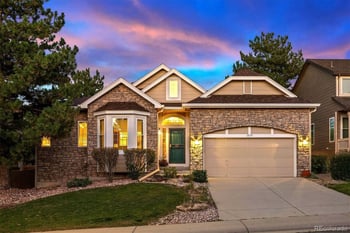
9352 Wilmington Ct, Highlands Ranch, CO 80130
MLS#: REC6759426
.jpg)


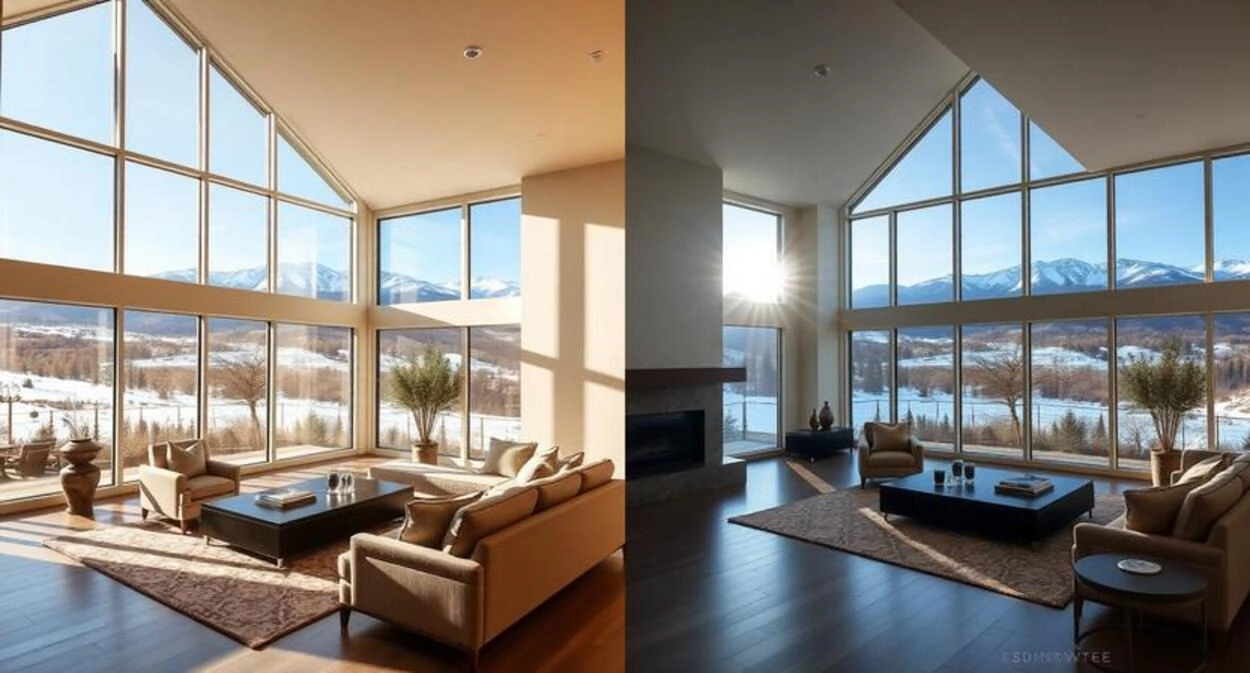
Listing photos are the first showing a Colorado buyer sees, and most buyers decide whether to click into a listing or scroll past it based on the first three images. HDR and flash are the two main lighting approaches Front Range photographers use, and picking the right one for a specific home affects how quickly it sells and how it shows online.
Colorado's high-altitude sun creates strong contrast between bright exteriors and dim interiors, which makes lighting choice matter more here than in a flatter, hazier climate. A living room with a mountain view through a wall of windows needs different treatment than a townhome interior with no exterior view to protect.
HDR, or high dynamic range, combines several exposures of the same shot, one that captures the bright window view, one balanced for the room, and one that pulls detail out of shadowed corners, into a single blended image. The result shows a Colorado mountain view through the window and a well-lit living room in the same frame, instead of forcing a choice between a blown-out window or a dark room.
HDR works best for homes where the view or natural light is the selling point: mountain-facing properties in Golden, Highlands Ranch, or Castle Rock, homes with large window walls, and listings where dark basements or hallways need extra detail pulled out. The tradeoff is time. Blending multiple exposures into one natural-looking image takes real editing skill, and rushed HDR work produces halos around window frames or an unnatural, over-processed look.
Flash photography lights a room directly with a controlled light source instead of relying on window light, producing one consistent exposure per shot. It's faster to shoot and faster to edit, which matters for agents photographing multiple listings in a single day, and results are predictable from one property to the next.
The tradeoff is the window. A flash-lit interior shows a washed-out or overexposed window in most cases when there's a strong exterior view, since balancing interior flash with Colorado's bright daylight is difficult in a single exposure. For listings where the interior finishes matter more than the view, flash photography gets the job done quickly and affordably.
| Factor | HDR Photography | Flash Photography |
|---|---|---|
| Window and mountain views | Detailed and balanced | Washed out in most shots |
| Shoot time per room | Slower, multiple exposures | Faster, single shot |
| Editing time | Extensive blending required | Minor color correction |
| Cost per listing | Higher | Lower |
| Best for | View properties, luxury listings | Fast turnaround, multiple listings per day |
Professional real estate photography in the Denver metro runs $150 to $350 for a standard flash-based shoot on a home under 3,000 square feet, and $350 to $800 or more for full HDR coverage on a larger or luxury property, depending on the number of rooms and whether drone or twilight shots are included. A same-week turnaround is standard for flash; HDR editing can add one to three extra days depending on the photographer's workload.
Neither method sells a home on its own. A poorly edited HDR photo with visible halos around window frames looks worse than a clean flash shot, and a harsh, unedited flash image undersells a well-staged room. HDR blending corrections for batch real estate photography handle the alignment, exposure balance, and color correction that turn raw exposures into listing-ready images, which matters for agents managing several properties a month. You are free to use any photography or editing provider for your listing.
Before booking, ask how many finished images are included, whether the price covers HDR blending or straight flash shots, turnaround time, and whether drone or twilight photography is available for homes where those add real value. A typical Colorado MLS listing performs best with 25 to 40 photos covering every room, the exterior from multiple angles, and any standout feature like a mountain view, finished basement, or outdoor living space.
Drone photography works well for Colorado properties on larger lots, homes near open space or trails, and listings where the surrounding terrain or mountain backdrop is part of the appeal; it adds $100 to $250 to a standard photo package. Twilight photography, shot at dusk with interior lights on and the sky still holding color, outperforms daytime exterior shots for engagement on listing sites and social media, and it adds $75 to $200. Both work best scheduled on a clear evening, which along Colorado's Front Range is most of the year outside of active storm systems.
Turn on every light, open blinds and curtains, and clear countertops and floors the morning of the shoot regardless of which lighting method the photographer uses. For HDR shoots, close pet doors and secure loose items before the multi-exposure sequence starts, since anything that moves between frames creates blending errors. For flash shoots, remove reflective surfaces like mirrors and glass tabletops from the direct line of the flash where possible, since a bounced flash creates a hot spot in the final image.
Buyers shopping above $1 million on the Front Range expect polished, magazine-quality images, and a rushed or inconsistent photo set can undercut a strong asking price before a single showing happens. Luxury listings in areas like Cherry Hills, Castle Pines, and Highlands Ranch pair HDR interior and view shots with twilight exteriors and drone coverage of the lot, since the total package sets the tone for how the rest of the marketing, from the listing description to the open house, gets received.
Morning light works best for east-facing rooms and front exteriors, while afternoon light suits west-facing living spaces and backyards, and Colorado's clear skies make most days workable for either. Scheduling around a fresh snowfall or blooming landscaping can add real appeal to exterior shots, but chasing perfect weather can also delay a listing going live, so most Front Range photographers recommend booking as soon as the home is staging-ready rather than waiting for ideal conditions.
The Kenna Real Estate Group coordinates professional photography, staging, and marketing for every Front Range listing so each home shows at its best online from day one. Call or text 303-955-4220. A live person answers. Not a robot, not a phone tree. Ready to see what's on the market today? Search every home for sale in Colorado.
Questions about any home in Colorado? Call or text 303-955-4220. A live person answers.
Yes. Most buyers browse listings on their phones and decide whether to request a showing based on the first few photos, so image quality directly affects showing requests and days on market.
Full HDR coverage runs $350 to $800 or more depending on square footage, room count, and whether drone or twilight images are included.
Yes. Flash photography works well for interiors without a significant exterior view and produces consistent, fast results at a lower cost than HDR.
HDR blends multiple exposures so both the bright window view and the interior room are properly lit in the same image, which a single flash exposure cannot do.
Blending and correcting HDR exposures for a full listing adds one to three days beyond a standard flash-based turnaround, depending on the photographer's workload.
Most well-performing listings include 25 to 40 photos covering every room, exterior angles, and any standout feature like a view, finished basement, or outdoor living space.
Yes. Many Front Range photographers use HDR for view-facing living areas and flash for bedrooms and bathrooms without exterior views, balancing quality and turnaround time.