New - 30 Mins Ago

.jpg)


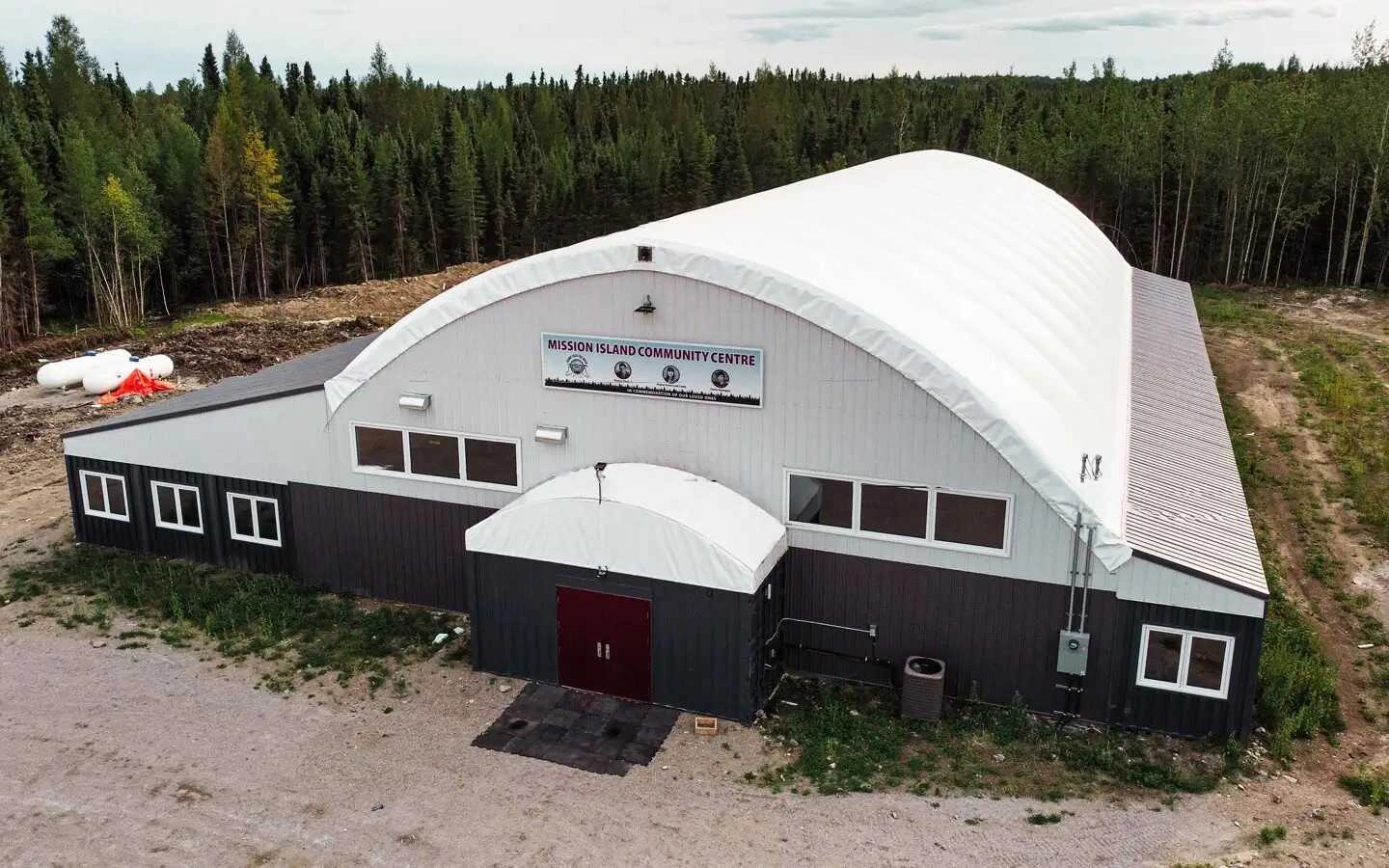
A hoop building costs less to put up than a wood or steel structure of the same footprint, which is why so many Colorado landowners choose one for storage, livestock shelter, or workshop space without a large construction budget. The tradeoff is a different look and a different set of rules than a traditional outbuilding, both worth understanding before buying one for a Front Range or rural Colorado property.
A hoop building consists of a series of curved steel or aluminum frames covered with a fabric membrane, also called a fabric building or a membrane structure. The curved design distributes weight evenly across the frame, which means less steel is needed overall compared to a traditional rectangular structure, and the building can anchor directly onto soil, gravel, or a concrete pad.
Colorado landowners use hoop buildings for agricultural storage, livestock shelter, home workshops, and vehicle or equipment storage, especially on larger rural and horse-property parcels east and south of the Front Range where a traditional pole barn or steel building costs significantly more.
| Size | Estimated Cost Range (Materials + Basic Install) |
|---|---|
| 20' x 30' (600 sq ft) | $6,000 to $12,000 |
| 30' x 60' (1,800 sq ft) | $15,000 to $28,000 |
| 40' x 100' (4,000 sq ft) | $30,000 to $55,000 |
| 60' x 150' (9,000 sq ft) | $60,000 to $110,000 |
Prices vary with fabric grade, frame spacing, add-ons like end walls, doors, and ventilation, and whether a concrete foundation is included. Compare options through hoop buildings from Shelter Structures to see current sizing and pricing.
Hoop buildings scale from small 20-foot-wide storage structures up to 100-foot-wide agricultural and equestrian buildings, with length added in increments to fit the parcel and the intended use. A 30-foot to 40-foot width covers most equipment storage and small livestock needs, while wider spans suit riding arenas or larger agricultural operations.
Most Colorado counties and cities require a building permit for a hoop building above a certain size or when it includes electrical or plumbing, but the threshold and process differ by jurisdiction. Denver, Douglas County, El Paso County, and Weld County each set their own rules on accessory structures, so check with the local building department before ordering materials; Kenna's Denver ADU and zoning guide covers how Denver handles accessory structure permits.
Front Range snow load requirements vary by elevation and jurisdiction, and a hoop building's engineering specification needs to match the local code, not a generic national average. Higher-elevation properties near the foothills or in mountain counties carry higher snow load requirements than lower Front Range locations, which affects frame spacing and fabric rating.
A properly engineered hoop building with a fabric cover rated for the local wind zone holds up to Front Range conditions, including the wind events that come through the eastern plains and foothills. Hail season, spring through September, is harder on the fabric cover than on a steel roof, so a heavier-gauge fabric or a reinforced cover option is worth the added cost for a building that will see decades of Colorado weather.
Colorado's expansive clay soils shift with moisture changes, so a hoop building anchored with ground stakes on unprepared native soil can settle unevenly over time. A gravel base or a concrete perimeter footing gives a more stable, level foundation and is worth the extra upfront cost on any property with known expansive soil, which a soil test can confirm before construction starts.
| Structure Type | Relative Cost | Build Time |
|---|---|---|
| Hoop building | Lowest | Days to a couple of weeks |
| Pole barn | Mid-range | Several weeks |
| Steel-frame building | Highest | Several weeks to months |
A hoop building trades a longer service life and a more finished appearance for a lower price and faster install. A pole barn or steel building holds resale value slightly better on a property expected to sell within the next few years, since some buyers view a hoop structure as a temporary or utility building rather than a permanent one.
A well-maintained hoop building used for hay storage, equipment, or overflow livestock shelter adds functional value to a horse property, though it adds less resale value than a fully finished barn with stalls and utilities in most comparisons. Buyers shopping Colorado horse properties tend to weigh outbuildings as part of the overall land package rather than pricing each structure separately.
A smaller hoop building can go up in a few days once the site is prepped, while a larger agricultural or equestrian structure with a concrete foundation takes several weeks including site work, foundation cure time, and frame assembly. Permit approval timelines add to the total project schedule and should be factored in before setting a target completion date.
Many Front Range HOAs restrict or prohibit fabric and hoop-style structures on smaller residential lots, even where the local jurisdiction would otherwise permit one. This is more of a factor on standard suburban lots than on larger rural or horse-property parcels outside a covenant-controlled community, so check the specific property's covenants before planning a purchase.
Check the fabric cover for tears or UV wear at least once a year, since Colorado's intense sun at altitude degrades exposed fabric faster than at lower elevations. Clear snow accumulation promptly after heavy storms to keep the load within the frame's rated capacity, and inspect anchor points after high-wind events.
Whether you are buying a rural or horse property that already has outbuildings or planning to add one after closing, the Kenna Real Estate Group can point you toward parcels with the zoning and covenant flexibility to support your plans. Call or text 303-955-4220. A live person answers. Not a robot, not a phone tree. Or search every home for sale in Colorado to find land ready for your next project.
Questions about any home in Colorado? Call or text 303-955-4220. A live person answers.
A 30-foot by 60-foot hoop building runs roughly $15,000 to $28,000 for materials and basic installation, before site work, foundation, or add-ons like doors and end walls.
Most Colorado counties and cities require a permit above a certain size or when electrical or plumbing is added, but the exact threshold varies by jurisdiction. Check with the local building department before ordering materials.
Clay soil shifts with moisture changes, so ground stakes on unprepared native soil can cause uneven settling over time. A gravel base or concrete perimeter footing gives a more stable foundation.
A properly engineered hoop building with a fabric cover rated for the local wind zone handles Front Range conditions, but a heavier-gauge or reinforced fabric cover holds up better through repeated hail seasons.
Yes. A hoop building costs less than a pole barn or steel building of the same size in most cases and goes up faster, though a pole barn or steel building holds resale value slightly better.
Many HOAs restrict or prohibit fabric and hoop-style structures on standard residential lots, even where the local jurisdiction would allow one. Rural and horse-property parcels outside a covenant-controlled community have more flexibility.
A 30-foot to 40-foot width covers most tractor, trailer, and equipment storage needs, while wider spans of 60 feet or more suit riding arenas or larger agricultural operations.
Check the fabric for tears or UV wear at least once a year, since Colorado's intense sun at altitude degrades exposed fabric faster than at lower elevations. Clear heavy snow promptly to keep the load within the frame's rated capacity.
Start with the Colorado Horse Property Buying Guide, then search every horse property for sale in Colorado.
Buying or selling horse property in Colorado? Call or text 303-955-4220. A live person answers. Not a robot, not a phone tree.


