New - 3 Hours Ago
.jpg)


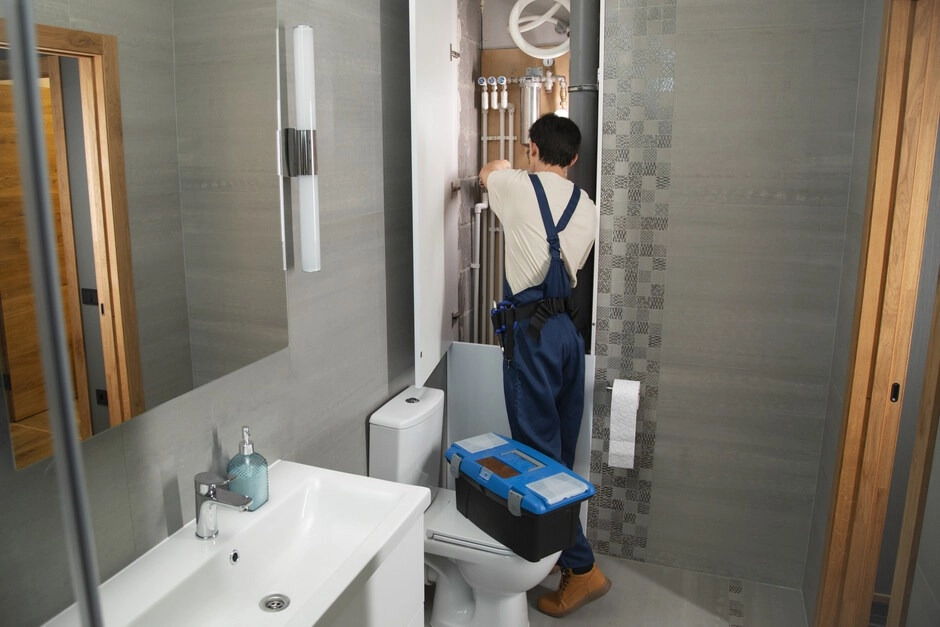
Sewage backs up into a shower because the shower is the lowest drain in the house. When the main sewer line between the house and the street blocks, everything that goes down any drain comes up through the shower or the basement floor drain first. In Denver metro homes built before 1970, the block is almost always a clay sewer line cracked by expansive bentonite soil and invaded by tree roots.
This guide gives the cleanup steps, the Denver-specific causes, who pays when the block is in the city main, what a sewer scope and a repair cost, and what a backup means when the home is being bought or sold.
Remediation in the Denver metro runs $2,000 to $7,000 for a bathroom and adjoining floor, $7,000 to $15,000 for a finished basement.
In Denver and every Front Range suburb, the homeowner owns the sewer service line from the house to the connection at the main, including the section under the sidewalk and the street. The city or sanitation district owns the main. So:
| Where the block is | Who pays for the clear-out and repair | Who pays for the cleanup |
|---|---|---|
| Inside the house (trap, branch line) | Homeowner | Homeowner or homeowner's insurance endorsement |
| Service line, house to main (including under the street) | Homeowner | Homeowner or endorsement |
| City or district main | City or district | File a claim with the city or district; Denver claims go through the City Attorney's office |
A city claim needs the plumber's report showing the service line was clear and the main was blocked, the photos, and the receipts. File within days, not months; the plumber's camera video is the evidence.
Not on the standard policy. Water that backs up through a drain is excluded on the base homeowners form sold in Colorado. Two add-ons fix that:
Our post on how insurance changes a Denver metro house payment lists the endorsements to price before you buy.
A sewer scope is a camera on a cable, pushed from a cleanout through the service line to the main, recorded on video with a locator that marks the depth and position of any defect from the surface. It costs $150 to $300 in the Denver metro as an add-on to a home inspection, and it is the highest-return $200 a Colorado buyer spends. The camera finds:
Order it on every home built before 1985 and on any home with mature trees between the house and the street. It is on our Denver home buyer verification checklist as a required item, and the inspection red flags that kill Denver home sales post shows why sellers order one too.
| Repair | Denver metro cost | When it applies |
|---|---|---|
| Cable clear-out or hydro-jetting | $200 to $600 | Roots or debris, pipe still intact |
| Spot repair (one dug section) | $2,500 to $6,000 | One break or offset in the yard |
| Trenchless lining or pipe bursting | $100 to $250 per foot; $8,000 to $18,000 typical run | Line intact enough to hold a liner; avoids digging the street |
| Full open-cut replacement | $10,000 to $25,000 | Collapsed line or Orangeburg; includes the street cut and right-of-way permit |
| Backwater valve | $1,500 to $3,500 | Homes below the main's grade or on blocks with main backups |
A line that runs under a Denver street needs a right-of-way permit and a licensed contractor to cut and restore the pavement; that is the part that pushes a job above $15,000. Our post on spotting a clogged sewer line before replacing it covers the clear-versus-replace decision, and the warning signs a sewer line needs replacing lists what to watch for between scopes.
Whoever the contract says. The buyer's inspection objection deadline in the Colorado contract is the moment: the buyer delivers the scope video and asks for a repair, a credit, or a price reduction. On a Denver metro resale, a full replacement gets split or credited more than half the time, because the next buyer's scope finds the same defect. A seller who scopes before listing and fixes or discloses the line keeps the deal on schedule; the plumbing prep before selling a Denver home post puts the scope in the first week, and the preparing and adding value before selling guide shows where the repair money comes back at closing.
Any area built before 1970. In Denver that includes Park Hill, Washington Park, Congress Park, Berkeley, Sunnyside, Platt Park, Baker, Harvey Park, Bear Valley, and Virginia Village. Outside Denver: Englewood, older Littleton, Lakewood's east side, Wheat Ridge, Arvada's Olde Town blocks, Aurora's original streets near Colfax, and old town Golden. Homes in these areas are among the best-built brick ranches and bungalows on the Front Range, and the sewer line is the one item to check before you fall for the brick.
For a buyer: a $200 scope, a written objection, and a repair credit. For a seller: a $200 scope before photos, a repair or a disclosure on the Colorado Seller's Property Disclosure, and a sale that closes on time. For either: a backup is a plumbing problem with a known fix and a known price, not a reason to walk away from a good house. Our Colorado home buyer resources page has the rest of the inspection list.
The Kenna Real Estate Group at Keller Williams DTC puts a sewer scope on every pre-1985 home our buyers inspect, negotiates the repair before the objection deadline, and helps sellers scope and fix the line before the listing goes live. Call or text 303-955-4220. A live person answers. Not a robot, not a phone tree. When you are ready to look, search every home for sale in Colorado.
Questions about any home in Colorado? Call or text 303-955-4220. A live person answers.
The shower drain sits lowest in the house, so when the main service line blocks, backed-up flow reaches it first. A basement floor drain, if there is one, backs up before the shower.
$150 to $300 as an add-on to a home inspection. Order it on every home built before 1985 and on any lot with mature trees between the house and the street.
No. The homeowner owns the service line all the way to the connection at the main, including under the sidewalk and street. The city owns only the main.
Not without the sewer and drain backup endorsement, which costs $40 to $150 a year for $5,000 to $25,000 of cleanup coverage. The line repair itself needs separate service line coverage.
$8,000 to $18,000 for trenchless lining or pipe bursting, $10,000 to $25,000 for open-cut replacement when the line runs under the street and needs a right-of-way permit.
Yes, when it stayed inside the shower and sat less than 24 hours: protective gear, wet-dry vacuum, soap wash, then a 1:10 bleach solution left wet 10 minutes. Water on a floor, drywall, or carpet needs a remediation company.
It is negotiated at the inspection objection deadline. On Denver metro resales, a full replacement is credited or split more than half the time, because the next buyer's scope finds the same defect.
A foaming root treatment once a year, hydro-jetting every 2 to 3 years, and a camera scope every 3 to 5 years. When roots come back within a year, line the pipe.