New - 4 Hours Ago
.jpg)


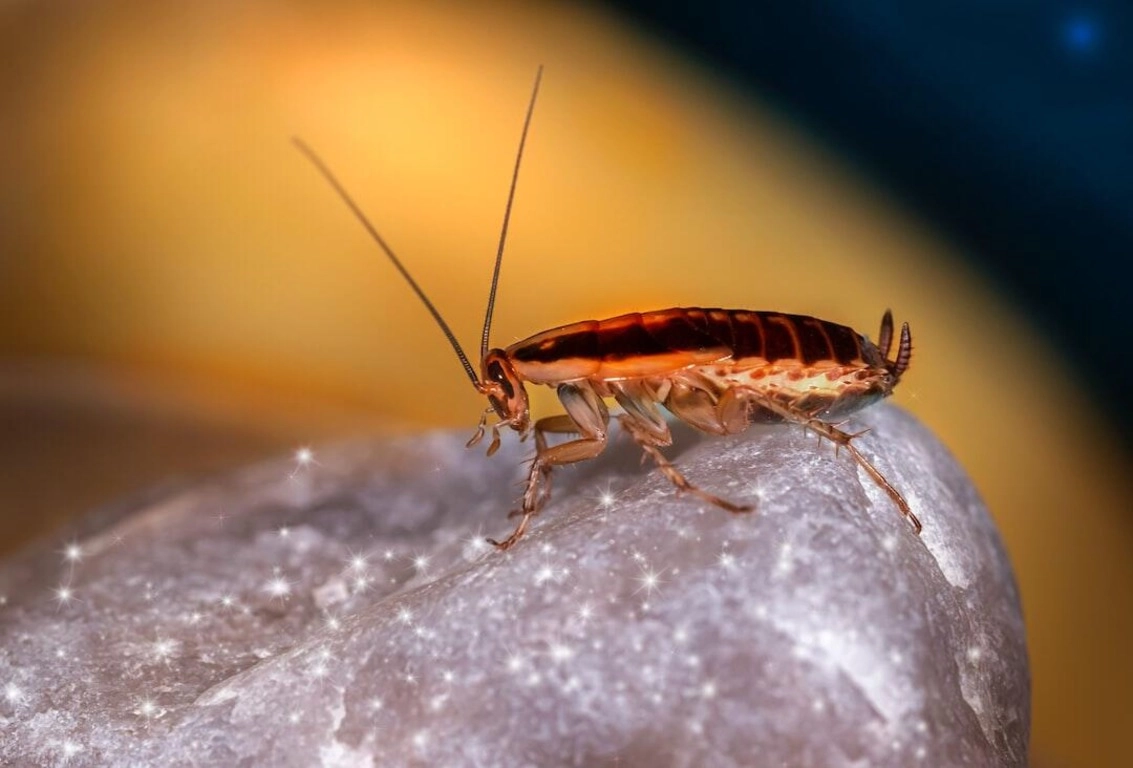
Tiny cockroaches in a Colorado home almost always trace back to one of two species, the German cockroach or the brown-banded cockroach, and almost always to moisture and an unsealed entry point. Dry Front Range air keeps outdoor cockroach populations lower than in humid climates, but it does not stop an indoor infestation once roaches get into a kitchen or basement with a moisture source. Here is how to identify, clear, and prevent one in a Colorado home.
Yes, though less frequently than homes in humid regions. Colorado's low outdoor humidity and cold winters limit cockroach populations outside, but indoor environments, especially kitchens, bathrooms, and basements with a moisture source, still support German and brown-banded cockroaches year-round once they get established.
The German cockroach is the most common small cockroach found indoors along the Front Range: light brown with two dark stripes behind the head, roughly half an inch long as an adult, smaller as a nymph. The brown-banded cockroach is less common but appears occasionally, identifiable by lighter bands across its wings rather than the German cockroach's parallel stripes.
It limits them outdoors, not indoors. A heated home with a kitchen, bathroom, or laundry area creates the humidity and warmth cockroaches need regardless of how dry the outdoor climate is. A home with a damp crawlspace, a leaking dishwasher line, or a humid basement offers the same conditions a roach would find in a much wetter state.
Heavy rain and hail-season storms push outdoor cockroach populations toward drier shelter, and a home with unsealed gaps around the foundation, utility penetrations, or window wells becomes that shelter. Checking and resealing these gaps before hail season starts each spring reduces this seasonal spike.
Look at the back: a German cockroach has two dark parallel stripes running from head to wings, while a brown-banded cockroach has lighter, angled bands across its wings and tends toward a more yellowish-brown body. Identification matters because bait placement differs: German cockroaches stay close to kitchens and bathrooms, while brown-banded cockroaches spread more broadly through a home, including bedrooms and living areas.
Food residue, standing water, and cardboard or paper clutter are the three biggest draws. Wipe counters and sweep floors daily, wash dishes before bed rather than leaving them overnight, and empty the kitchen trash regularly rather than letting it sit for days.
Check for gaps around windows, exterior doors, dryer vents, and pipe penetrations, and seal them with caulk or weatherstripping, the same pass most Colorado homeowners already make each fall to winterize against cold air. A sealed home keeps out cockroaches seeking shelter from falling outdoor temperatures at the same time it keeps out drafts.
An unfinished or damp basement is one of the more common indoor cockroach habitats in Front Range homes, especially where a sump pump, floor drain, or laundry hookup keeps humidity high. Running a dehumidifier to keep basement humidity below 50% removes the moisture that draws roaches in the first place.
Gel bait stations placed along baseboards, under sinks, and behind appliances work by letting roaches carry the bait back to others in the colony, which is more effective for an established population than spray alone. Glue traps help monitor activity and confirm whether a treatment is working, but they rarely clear an infestation on their own.
Call a licensed pest control company once roaches are visible during daylight hours, which signals an established population in most cases rather than a few strays, or if DIY baiting has not reduced sightings within two to three weeks. A professional can also identify and treat the source, not just the visible roaches.
A single treatment visit in the Denver metro runs $150 to $300, while an ongoing quarterly service plan runs roughly $40 to $100 per visit. Cost depends on the severity of the infestation and whether the treatment covers the interior, exterior perimeter, or both.
Many condo and townhome HOAs address pest control in their governing documents, particularly for shared walls and common areas in a multi-unit building, since a cockroach problem in one unit can spread through shared plumbing chases. Check the HOA's documents or ask the management company about pest control policy before assuming it is entirely the owner's responsibility.
Colorado's seller disclosure requires disclosing known material defects, and a known, active pest infestation is the kind of condition a seller should disclose. Clearing the problem and documenting the treatment before listing avoids the disclosure question altogether and prevents it from becoming a buyer's inspection objection.
A general home inspection notes visible pest evidence in most cases, but it is not a dedicated pest inspection; a buyer with specific concerns can order a separate pest inspection during the inspection objection window. Addressing pest issues before the inspection deadline keeps the transaction on schedule.
An active, visible infestation can affect a buyer's offer or trigger an inspection objection, but a resolved and documented past treatment rarely affects value once the underlying moisture or entry-point cause has been fixed. Sellers preparing to list can review preparing and adding value before selling for what buyers notice first during a showing.
A minor problem caught early can clear in one to two weeks of consistent cleaning, sealing, and baiting. An established infestation with an active breeding population takes four to eight weeks of professional treatment, since egg cases hatch on a staggered timeline that a single treatment visit cannot fully interrupt.
They can if the original moisture source or entry point was never addressed. Bait and spray kill the visible population, but a leaking pipe under a sink or an unsealed gap behind a dishwasher will draw in a new population within months. Pair any treatment with the moisture and sealing steps above, or the underlying cause simply resets the clock.
Yes. A new home is not immune; cockroaches travel in moving boxes, secondhand furniture, and delivered appliances just as easily as in an older home, and a newly finished basement with fresh plumbing runs can develop the same moisture issues as an older one. Inspect boxes and used furniture before bringing them into a new home, and confirm sump pump and floor drain function during the first year.
A homeowner can seal, caulk, and treat as needed without asking anyone. A renter should document and report a cockroach problem to the landlord in writing, since sealing structural gaps and fixing plumbing leaks fall under the landlord's responsibility under Colorado's warranty of habitability, while day-to-day cleanliness remains the tenant's.
| Approach | Typical cost | Best for |
|---|---|---|
| Gel bait stations and traps | $10 to $30 total | Early, small sightings |
| Single professional treatment | $150 to $300 | Confirmed indoor infestation |
| Quarterly service plan | $40 to $100 per visit | Ongoing prevention, HOA-managed buildings |
The Kenna Real Estate Group helps Colorado homeowners understand what a pest issue means for a sale, from disclosure to the inspection objection window. Call or text 303-955-4220. A live person answers. Not a robot, not a phone tree. Ready to see what's on the market? Search every home for sale in Colorado.
Questions about any home in Colorado? Call or text 303-955-4220. A live person answers.
The German cockroach, light brown with two dark stripes behind the head, is the species most commonly found indoors along the Front Range.
No. A heated home with a kitchen, bathroom, or damp basement provides the humidity a cockroach needs regardless of how dry it is outside.
Moisture from a sump pump, floor drain, or laundry hookup; running a dehumidifier to keep basement humidity below 50% removes that draw.
A single treatment visit runs $150 to $300, and an ongoing quarterly plan runs roughly $40 to $100 per visit.
Colorado's seller disclosure covers known material defects; a resolved and documented treatment does not need separate disclosure once the underlying cause is fixed.
Four to eight weeks of professional treatment in most cases, since egg cases hatch on a staggered schedule that one visit cannot fully interrupt.