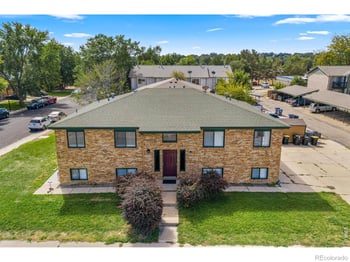
Open: Sat 2:00 PM - 4:00 PM
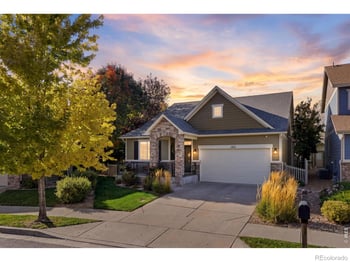
$775,000
Active
4
Beds
3
Baths
3370
Sqft
0.14
Acres
1413 Bluemoon Dr, Longmont, CO 80504
MLS#: RECIR1070145
.jpg)


A Colorado home shows it needs more than a patch job through a specific list of signs: a roof past 20 years with curling shingles, an electrical panel that trips breakers under normal use, cracks that track through drywall near doors and windows, and utility bills that climb even with the thermostat unchanged. Catching these early keeps a manageable renovation from turning into a full, house-wide major overhaul, and Front Range weather, hail, freeze-thaw cycles and expansive clay soil, moves these problems faster than in milder climates.
Missing or curling shingles, granule loss visible in the gutters, and water stains on ceilings after a storm all point to a roof that has already let water through. Most asphalt shingle roofs last 20 to 30 years, but Front Range hail season, which runs spring through September, can knock years off that lifespan in a single storm. Get a roof inspection after any hail event, even without a visible leak, since bruised shingles fail months later rather than immediately; homeowners in the northern metro can start with a Longmont roofing company for a hail-damage assessment. A full asphalt shingle replacement on a typical Denver metro home runs $9,000 to $16,000; impact-resistant shingles cost more upfront and can lower a homeowner's insurance premium.
Flickering lights, breakers that trip under normal appliance use, and warm outlets point to a panel that no longer carries the home's current load. Homes built before 1960 in the Denver metro commonly still run galvanized supply pipe or, in some cases, aluminum wiring, both of which insurers and electricians flag during a sale. A licensed electrician or plumber should inspect these systems directly; a full panel and wiring replacement runs $8,000 to $15,000, and galvanized pipe replacement runs $4,000 to $10,000 depending on the home's size and how much of the run is accessible.
| System | Warning sign | Typical Denver metro cost to replace |
|---|---|---|
| Roof | Curling shingles, granule loss, ceiling stains | $9,000 - $16,000 |
| Electrical panel and wiring | Tripped breakers, warm outlets, flickering lights | $8,000 - $15,000 |
| Galvanized supply lines | Low water pressure, discolored water | $4,000 - $10,000 |
| Insulation and air sealing | Rising energy bills, drafty rooms | $2,500 - $7,000 |
Colorado's Front Range sits on expansive bentonite clay soil that swells when it absorbs moisture and shrinks as it dries, and that seasonal movement is the most common cause of foundation cracking on the Front Range. Small drywall cracks near windows and doors, doors that stop latching, and gaps opening between baseboards and floors point to foundation movement rather than simple settling. A structural engineer, not a general contractor, should evaluate any crack wider than a quarter inch or any crack that grows over a season. Grading the yard so water drains away from the foundation and maintaining even soil moisture around the perimeter reduces the swelling and shrinking that drives this damage.
Denver's dry air and wide day-to-night temperature swings put real strain on a home's insulation and air sealing. A drafty room in winter or an attic that overheats in summer, paired with a climbing utility bill, points to gaps in the attic, walls or crawl space. Upgrading attic insulation and sealing air leaks runs $2,500 to $7,000 for a typical Denver metro home, and Xcel Energy offers rebates on qualifying insulation and air-sealing work that cut the net cost. Replacing single-pane windows with double-pane units also cuts heat transfer and outside noise, a bigger factor on homes near busier Front Range corridors.
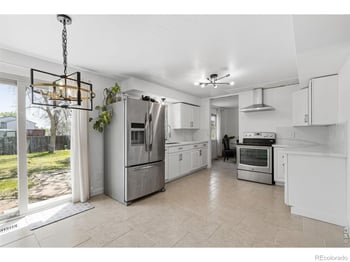
Peeling laminate counters, a leaking faucet, discolored grout and an outdated layout do not threaten the structure, but they do slow a sale and reduce daily usability. A full kitchen remodel in the Denver metro runs $25,000 to $60,000 depending on layout changes and finish level; a bathroom remodel runs $10,000 to $25,000. Sellers planning to list within a year should weigh a partial refresh, new counters, fixtures and paint, against a full remodel, since a full remodel rarely returns its full cost at resale on its own.
Colorado's dry air surprises homeowners when mold shows up anyway; it points directly to a leak, whether from the roof, a plumbing line or poor bathroom ventilation, rather than ambient humidity. Mold remediation goes past wiping visible spots: find the moisture source, replace compromised drywall or wood, and add ventilation so it does not return. Left alone, a small leak behind a shower wall turns into a five-figure repair within a year or two.
Colorado sits in an area with above-average radon potential, and a full home overhaul is a practical time to test. A radon test costs under $200, and a mitigation system, if the home tests above the EPA action level, runs $800 to $1,500 installed.
Colorado's freeze-thaw cycle, water seeping into concrete, freezing overnight and expanding, then thawing the next afternoon, cracks driveways, walkways and exposed foundation walls over a handful of winters. Spalling concrete, where the surface flakes off in chips, and cracks that widen year over year point to water getting into the slab rather than a one-time cosmetic issue. Sealing concrete every two to three years and directing downspouts away from the slab slows this cycle; a full driveway replacement in the Denver metro runs $4,000 to $9,000 for a standard two-car width.
Electrical, plumbing, structural and most HVAC work requires a permit through the city or county building department where the home sits; Denver, Aurora, Lakewood and Colorado Springs each run separate permitting offices with separate fee schedules and inspection timelines. Pulling a permit protects the homeowner at resale, since unpermitted major work is a common reason a Colorado sale stalls at the buyer's inspection or the title company's records check.
Not every overhaul needs to happen before a sale. Roof and electrical issues that affect insurability or financing should get fixed first; cosmetic kitchen and bathroom updates are commonly better priced into the listing than renovated by a seller who will not live in the finished result. Run both scenarios with your agent before committing budget to a remodel; see what actually adds value before you sell for a breakdown by project. A roof that shows hail wear, an electrical panel a lender's underwriter will flag, or a foundation crack a buyer's inspector calls out will each stall a closing regardless of price, so those three categories deserve the first dollars in any overhaul budget. Everything else, paint color, counter material, light fixtures, is a matter of taste that a buyer can change after closing.
The Kenna Real Estate Group walks Front Range homeowners through which overhaul projects protect a sale price and which ones are better left for the next owner. Call or text 303-955-4220. A live person answers. Not a robot, not a phone tree. See what buyers in your area are comparing your home against: search every home for sale in Colorado.
Questions about any home in Colorado? Call or text 303-955-4220. A live person answers.
Curling or missing shingles, granule buildup in the gutters, ceiling stains after a storm, and a roof age past 20 years all point to replacement. Get it checked after any hail event, since bruised shingles fail months later.
Colorado's expansive clay soil swells with moisture and shrinks as it dries, and that seasonal movement is the leading cause of foundation cracking on the Front Range. Cracks wider than a quarter inch need a structural engineer, not a general contractor.
A full electrical panel and wiring replacement runs $8,000 to $15,000, depending on square footage and whether knob-and-tube or aluminum wiring has to come out of finished walls.
Mold in a dry climate points directly to a leak, whether from the roof, a plumbing line, or poor bathroom ventilation, rather than ambient humidity. Find and fix the moisture source before repainting over it.
Xcel Energy offers rebates on qualifying insulation and air-sealing work, which reduces the net cost of a $2,500 to $7,000 attic and wall insulation overhaul in a typical Denver metro home.
Yes. Electrical, plumbing, structural and most HVAC work needs a permit through the city or county building department, and unpermitted major work is a common reason a sale stalls at inspection.
Colorado sits in an area with above-average radon potential. A test costs under $200, and a mitigation system, if needed, runs $800 to $1,500 installed.
Fix roof and electrical issues that affect insurability or financing first. Cosmetic kitchen and bathroom updates are commonly better priced into the listing than fully renovated by a seller who will not live in the result.