New - 15 Mins Ago

.jpg)


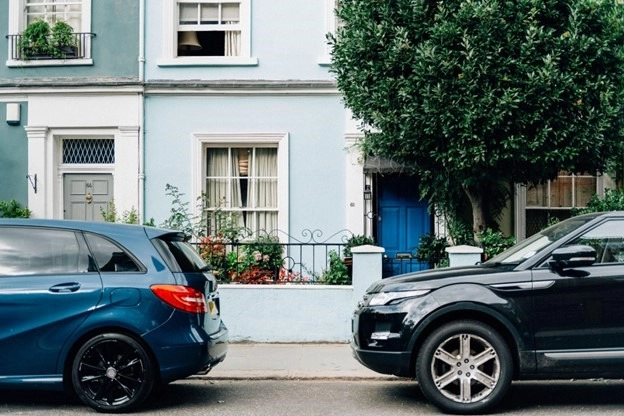
Off-street parking moves price in the Denver metro the same way an extra bedroom does: a home with a garage or dedicated driveway spot sells for more than a comparable home relying on street parking, and the gap widens in the denser, older neighborhoods where curb space runs tight.
Yes. In dense, walkable neighborhoods like Capitol Hill, Uptown, and parts of Baker, where many homes were built before off-street parking was standard, a deeded parking spot or attached garage adds a measurable premium over a comparable unit without one. In newer suburban construction across Aurora, Highlands Ranch, and Parker, where every home includes an attached two-car garage, parking has less effect on price because supply is uniform.
Denver removed citywide minimum off-street parking requirements for new development, which lets builders choose how much parking to include based on a project's location and expected demand instead of a fixed city formula. New buildings near light rail and frequent bus lines build fewer spaces per unit more of the time under the updated policy, while projects in car-dependent areas continue building close to the old minimums.
Single-family homes built after 1990 across the Front Range suburbs commonly include a two-car attached garage plus driveway space for one or two more vehicles. Homes in Denver's pre-1950 neighborhoods frequently have a single detached garage, a shared alley, or no off-street parking at all, which pushes daily parking onto the street.
Most Front Range HOAs and metro districts set rules on where residents and guests park: overnight street parking limits, restrictions on RVs, trailers, and commercial vehicles, and designated visitor spots in townhome and condo communities. A buyer touring a townhome in a community like Highlands Ranch or Stapleton's Central Park should read the parking section of the covenants before assuming a second vehicle fits on-site.
Several dense Denver neighborhoods near downtown, the Capitol, and university campuses run residential permit parking zones, which reserve street spots for permit holders during set hours and restrict non-resident parking. A buyer relying on street parking in a permit zone applies for a resident permit after closing, and guest parking in those zones is more limited than in neighborhoods without permit restrictions.
An attached garage adds more resale value than an equivalent driveway spot in most Front Range submarkets, a detail worth weighing against other upgrades that add value before you list, because a garage also protects a vehicle from hail, provides storage, and, in many newer homes, houses mechanical equipment. A carport or covered driveway spot splits the difference, offering hail protection without the enclosed storage a full garage provides.
| Project | Cost range |
|---|---|
| Concrete driveway extension (per 100 sq ft) | $800 to $1,500 |
| Detached single-car garage | $25,000 to $45,000 |
| Attached two-car garage addition | $45,000 to $80,000 |
Colorado winters bring snow, ice, and mag chloride road treatment that tracks onto driveways and eats away at unsealed concrete and vehicle undercarriages over time. Covered parking cuts down on morning snow-clearing and reduces the mag chloride exposure a vehicle sees between the street and the garage, a detail buyers weigh more heavily after a first Front Range winter.
Hail season runs spring through September along the Front Range, and a single severe storm damages every uncovered vehicle on a block in minutes. Homes with a garage or carport carry a real advantage during hail season, since covered parking is the difference between a normal week and a hail-damage insurance claim for a resident's vehicle.
Yes. A single-family home's parking is a private matter between the owner and the city; a townhome or condo's parking is governed by the HOA, which assigns spaces, sets guest parking limits, and enforces rules on oversized vehicles that a detached single-family owner never deals with. Buyers comparing a townhome in a community like South Highlands Ranch to a detached home in the same price range weigh one deeded or assigned spot against a full driveway and garage.
A buyer commuting into downtown Denver from Highlands Ranch, Parker, or Castle Rock weighs park-n-ride access at an RTD station against driving and parking downtown directly, since downtown parking runs a real monthly cost on top of the mortgage. A buyer working from a suburban office park in the Denver Tech Center or along the I-25 corridor needs less transit-adjacent parking and more focus on driveway and garage space for daily vehicle use.
Most new single-family construction across Aurora, Thornton, Brighton, and Castle Rock builds a standard two-car attached garage as part of the base floor plan, with an option to upgrade to a three-car garage on larger lots. New townhome and rowhome projects closer to Denver's core build tandem or single-car garages more of the time paired with limited guest parking, trading garage size for a smaller lot and a lower price point.
An HOA that actively enforces parking rules, keeping the street clear of long-term RVs, unregistered vehicles, and overflow from a home with more cars than garage bays, keeps a community looking maintained in listing photos and during a drive-by, which supports resale value across the whole neighborhood rather than a single home. A buyer comparing two similarly priced townhome communities weighs how well each HOA actually enforces its own parking rules, not just what the covenants say on paper.
Confirm whether a spot is deeded to the unit (common in condos and some townhomes) or simply assigned by the HOA, since a deeded spot transfers with the sale and an assigned one does not always. Check HOA covenants for guest parking limits, RV and trailer restrictions, and whether a second vehicle has anywhere to park on-site before writing an offer on a home with only one garage bay. Walk the block at a weekday evening, when residents are home from work, to see how street parking actually looks under normal conditions rather than during a weekday showing when driveways sit empty.
The Kenna Real Estate Group checks parking rights, HOA covenants, and covered-parking availability on every home a buyer tours, since it affects daily life and resale value as much as square footage. Call or text 303-955-4220. A live person answers. Not a robot, not a phone tree. Ready to start touring? Search every home for sale in Colorado.
Questions about any home in Colorado? Call or text 303-955-4220. A live person answers.
Yes, in most Front Range submarkets an attached garage adds more resale value than a driveway spot, since it also protects a vehicle from hail and adds storage.
Denver removed citywide minimum off-street parking requirements for new development, letting builders set parking counts based on a project's location instead of a fixed formula.
An attached two-car garage addition runs roughly $45,000 to $80,000; a detached single-car garage runs $25,000 to $45,000.
Most HOAs and metro districts set overnight parking limits and restrict RVs, trailers, and commercial vehicles, with designated visitor spots in townhome and condo communities.
A zone near downtown, the Capitol, or university areas that reserves street parking for permit holders during set hours, requiring buyers relying on street parking to apply for a resident permit.
Hail season runs spring through September, and a garage or carport prevents the vehicle damage an uncovered spot risks during a severe storm.
Yes. A deeded spot transfers with the unit at sale; an assigned spot is allocated by the HOA and does not always transfer, so buyers should confirm which type applies before offering.
Mag chloride road treatment used during snow and ice events wears on unsealed driveways and vehicle undercarriages, so covered parking reduces both exposure and morning snow-clearing time.