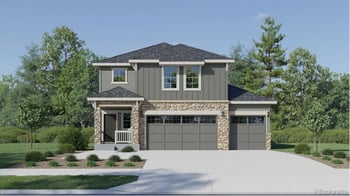
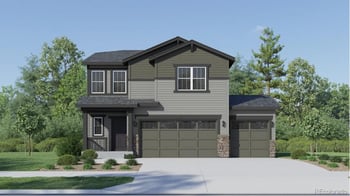
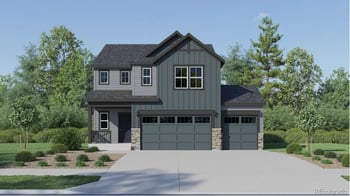
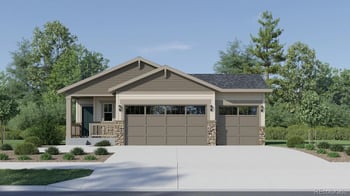
New - 4 Days Ago
$489,900
Active
3
Beds
2
Baths
1479
Sqft
0.16
Acres
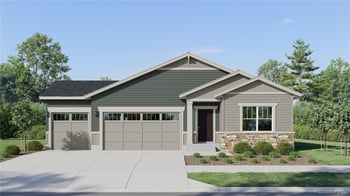
3520 Aspen Glen Loop, Elizabeth, CO 80107
MLS#: REC9885529
.jpg)


Selling land or acreage in Colorado takes six documents a house sale never needs: a current survey or ILC, the well permit and any water rights, a septic transfer inspection where the county requires one, proof of legal access, the agricultural tax classification, and the oil, gas and mineral disclosure. Get those six in a folder before the listing goes live and the parcel sells in one contract instead of three.
This checklist is for Colorado owners selling vacant land, a horse property, a 35-acre parcel or a home on acreage anywhere from Elizabeth to Berthoud and the foothills west of Golden. It covers what each item costs on the Front Range, which county rules apply, and what to grade, clear and fence before photos.
An Improvement Location Certificate (ILC) is a surveyor's drawing of where the buildings sit relative to the platted lines. It costs $300 to $600, it is not a survey, and it does not set corners. An Improvement Survey Plat, stamped by a Colorado-licensed professional land surveyor, sets and marks the corners, shows every recorded easement, and is what a land buyer's lender and title company ask for. On 5 to 40 acres it runs $1,500 to $5,000; on rough or unmarked ground, more.
Our guide to the Colorado ILC vs. land survey covers what each document shows.
Colorado runs on prior appropriation. The land does not come with the water; the permit and the rights do, and only if the contract says so. The Colorado Division of Water Resources (the State Engineer's Office) issues every well permit, and the permit type sets what the buyer is allowed to do with the water:
Before listing, pull the permit from the Division of Water Resources' online well database, order a well yield test and a water quality test (bacteria and nitrates, $300 to $600 together), and file nothing until closing; the buyer files the Change in Ownership form with the state after the deed records. A horse property buyer walks from a parcel with a household-use-only well, so state the permit type in the listing. The Colorado horse property buying guide lists what those buyers verify.
Colorado's 1972 subdivision law exempts parcels of 35 acres or more from county subdivision review, which is why so much Front Range acreage comes in 35-acre pieces and why splitting a 40-acre parcel into two 20s means a county subdivision process. Sellers pricing land per acre price a 35-acre parcel with a domestic well above a 34-acre parcel with a household-use-only well, every time.
Colorado's Regulation 43 sets the statewide rules for onsite wastewater treatment systems, and the counties enforce them at sale. Jefferson County requires a Use Permit through Jefferson County Public Health before a property with a septic system changes hands. Douglas County, Boulder County (the SepticSmart program), Larimer County and El Paso County each require a transfer-of-title inspection by a county-certified inspector. Elbert and Weld counties follow their own health department rules; check before listing.
The inspection runs $400 to $800, plus $350 to $600 to pump the tank first. A failed system costs $15,000 to $40,000 to replace on the Front Range, and the county will not issue the permit until it is fixed, so order the inspection 60 days before listing. Our post on selling a horse property in Colorado covers the same timing for barns and arenas.
A parcel with no recorded access is landlocked and unfinanceable. Before listing, pull the recorded easement or confirm frontage on a county-maintained road. On a shared private road, most lenders ask for a recorded road maintenance agreement; if none exists, drafting one with the neighbors before listing costs $500 to $1,500 in attorney time and removes the buyer's largest objection. Note the winter reality too: a county road plowed within 24 hours and a private road plowed by whoever has a blade are two different listings.
Colorado assesses agricultural land on its earning value, not its market value, so 40 acres with a grazing lease carries a tax bill that is a fraction of the same 40 acres classified as vacant residential land, which is assessed at roughly four times the residential rate. The county assessor grants ag status after the land has been used as a farm or ranch for the prior two years with intent to profit. A buyer keeps it by keeping the use: a written grazing or hay lease with a neighbor is the standard way. Hand the buyer the current lease and the assessor's classification letter, and the tax bill stays where it is.
Much of the land along the northern Front Range, and in Weld, Adams, Arapahoe and Elbert counties, was sold decades ago with the minerals reserved. Colorado law (Colorado Revised Statutes 38-35.7-108) requires every contract to carry the Oil, Gas, Water and Mineral Disclosure stating that the surface estate and the mineral estate are separate and that a mineral owner has the right to enter. The Colorado Energy and Carbon Management Commission maps every well and permit online. Pull the title commitment before listing, read the mineral reservation, and state plainly in the listing whether minerals convey.
Under Colorado's fence law, the owner who wants livestock kept off the land builds the fence. A buyer of unfenced acreage next to a grazing lease inherits the neighbor's cattle until a lawful fence goes up. A four-strand barbed wire or smooth wire fence runs $3 to $6 per linear foot installed on the Front Range; a mile of it is $16,000 to $32,000. Show the buyer what is fenced, what is not, and whether the existing fence sits on the surveyed line.
Land sells on drainage first. Buyers judge a parcel by where the water goes in a June thunderstorm and by whether the building site is dry. Water pooling against a barn, a driveway with a washout, or a low spot that holds runoff reads as a foundation problem waiting to happen. Grade so the site sheds water away from every structure at 6 inches of fall in the first 10 feet.
Whether a barn or shop adds value depends on the buyer pool; see whether a big shop adds value to Colorado acreage before you build one to sell.
| Checklist item | Front Range cost | Order it |
|---|---|---|
| Improvement Survey Plat | $1,500 to $5,000 | 60 days before listing |
| ILC (platted lots only) | $300 to $600 | 30 days before listing |
| Well yield and water quality tests | $300 to $600 | 30 days before listing |
| Septic transfer inspection plus pumping | $750 to $1,400 | 60 days before listing |
| Road maintenance agreement (attorney) | $500 to $1,500 | Before listing |
| Title commitment with mineral reservation | Included in closing; pull early | Before listing |
| Grading and clearing | $1,500 to $10,000 | Before photos |
Land is priced per acre against closed sales of similar water, access and zoning, not against houses. Financing sets the buyer pool: land loans from Colorado banks and farm credit lenders ask for 20% to 35% down, so most raw-land buyers are cash or seller-financed, and a home on acreage with a domestic well qualifies for a conventional or VA loan. Vacant parcels on the Front Range take 6 to 12 months to sell; a horse property with a house, a barn and a domestic well sells in the same 30 to 60 days as a suburban home. Our guide for Colorado landowners selling vacant property and the post on selling Colorado land for cash cover the buyer types. The pricing your Colorado home to sell page explains how we run the comparable-sales report on acreage.
The Colorado Real Estate Commission publishes a Seller's Property Disclosure for land. It asks about the well and its permit, the septic system, easements, encroachments, flood zones, soil reports, mineral leases, ag leases and any known environmental issue. Fill it in from the folder above, attach the survey, permit, inspection reports and leases, and the buyer's inspection period turns into a confirmation instead of a discovery.
The Kenna Real Estate Group at Keller Williams DTC has sold Front Range acreage, horse properties and 35-acre parcels since 2002. We pull the well permit, the mineral reservation and the county septic rule before we price, and we market land to the buyers who finance it. Call or text 303-955-4220. A live person answers. Not a robot, not a phone tree. To see what competing parcels list for, search every home for sale in Colorado.
Questions about any home in Colorado? Call or text 303-955-4220. A live person answers.
On acreage over 2 acres, yes: an Improvement Survey Plat by a Colorado-licensed surveyor, $1,500 to $5,000, sets the corners and shows easements. An ILC ($300 to $600) is enough only on a platted subdivision lot.
The permit transfers when the buyer files a Change in Ownership form with the Colorado Division of Water Resources after closing. The permit type (household-use-only vs. domestic) does not change with the sale, and separate water rights convey only if the contract and deed list them.
Jefferson County (Use Permit), Douglas County, Boulder County (SepticSmart), Larimer County and El Paso County require a transfer-of-title inspection. It costs $400 to $800 plus pumping; a failed system costs $15,000 to $40,000 to replace.
Parcels of 35 acres or more are exempt from county subdivision review under Colorado's 1972 law, and they qualify for a domestic well permit that allows 1 acre of irrigation and livestock. Parcels under 35 acres get household-use-only well permits.
Yes if the agricultural use continues. Hand the buyer the current grazing or hay lease and the assessor's classification letter; ag land is assessed on earning value, while vacant residential land is assessed at roughly four times the residential rate.
Yes. Colorado Revised Statutes 38-35.7-108 requires the Oil, Gas, Water and Mineral Disclosure in every contract. Pull the title commitment early, read the reservation, and state in the listing whether minerals convey.
Vacant parcels take 6 to 12 months because most buyers pay cash or put 20% to 35% down on a land loan. A home on acreage with a domestic well and a barn sells in 30 to 60 days, the same as a suburban home.
Grade any building site or driveway that holds water so it sheds 6 inches in the first 10 feet, and clear dead trees, old vehicles and collapsed outbuildings. Budget $1,500 to $10,000; buyers judge Colorado land by drainage first.
Start with the Colorado Horse Property Buying Guide, then search every horse property for sale in Colorado.
Buying or selling horse property in Colorado? Call or text 303-955-4220. A live person answers. Not a robot, not a phone tree.