.jpg)


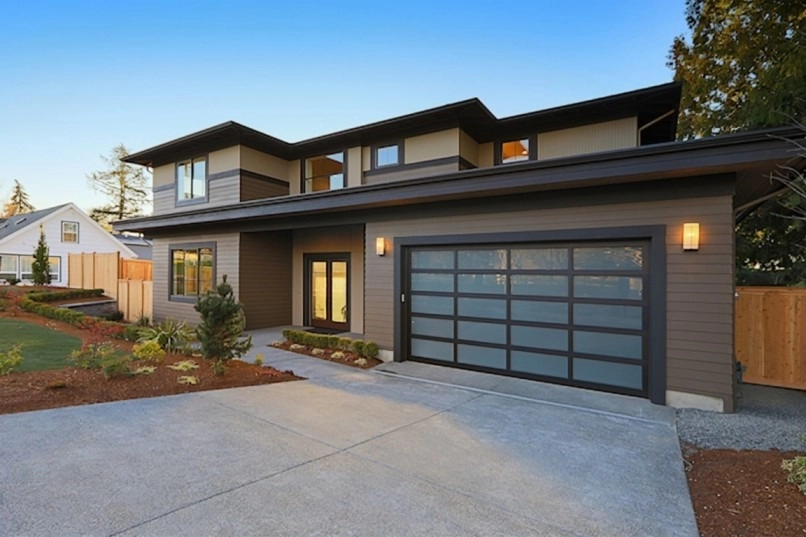
A garage door that's starting to fail rarely breaks all at once — it gives off warning signs for weeks first. In Colorado, those signs show up earlier than in milder climates because hail, freeze-thaw cycles and winter road chemicals put extra strain on the springs, tracks and hardware.
Sign 1: The Door Opens or Closes Unevenly
A garage door that tilts, jerks or opens faster on one side than the other commonly means one torsion spring has lost tension or one cable has stretched. Cold temperatures make steel springs stiffer and more prone to sudden failure, so uneven movement that starts in winter commonly means a spring is close to breaking rather than just needing lubrication.
Sign 2: Grinding, Popping or Squealing Noises
New noise almost always means worn rollers, a dry track or a spring under uneven load. Front Range winters thicken standard grease and cause more friction in the track system; a garage door that runs quiet in summer and noisy in winter commonly needs fresh cold-weather-rated lubricant on the rollers and hinges, not a full parts replacement, if caught early.
Sign 3: Visible Dents, Rust or Panel Damage
Hail season on the Front Range runs from spring through September, and large hail dents steel garage door panels the same way it dents a car hood or a roof. Rust along the bottom panel or hardware is a separate issue: magnesium chloride de-icer splashed up from the driveway corrodes steel tracks, hinges and the bottom seal track over several winters. Both are cosmetic at first but weaken the panel or hardware over time.
Sign 4: The Door Won't Stay Balanced
Disconnect the opener and lift the door halfway by hand — a balanced door stays in place. If it slides down or shoots up, the springs are no longer matched to the door's weight. An unbalanced door puts extra strain on the opener motor and is one of the more common reasons an opener burns out years earlier than its rated lifespan.
Sign 5: The Opener Struggles or the Remote Loses Range
Cold-weather battery drain is common with remotes and keypads on Front Range winter mornings; if the remote's range has shrunk noticeably, check the battery first before assuming the opener motor itself is failing. An opener that hesitates, reverses without an obstruction, or runs louder than it used to is commonly a sign the drive gear or belt is wearing out.
What Garage Door Repairs Cost in the Denver Metro
| Repair | Typical Cost |
|---|---|
| Torsion spring replacement (pair) | $200–$450 |
| Roller and hinge tune-up | $100–$200 |
| Cable replacement | $150–$300 |
| Opener motor replacement | $350–$700 |
| Single hail-dented panel replacement | $300–$600 |
Does a Bad Garage Door Show Up in a Home Inspection?
Garage door balance, spring condition and auto-reverse sensors are standard items on a Colorado home inspection, and a failed auto-reverse test or a visibly unbalanced door is a common line item in an inspection objection. If you're selling, a $100 tune-up before listing can head off a repair request during the objection deadline negotiation.
HOA Rules on Garage Door Material and Color
Most Front Range HOAs and metro districts specify approved garage door styles, materials and colors, and swapping a door for a different look without submitting for architectural review is a common violation notice. Check your HOA's design guidelines before ordering a replacement door, not after it's installed.
The original checklist compiled by Garage Door Repair Las Vegas lists five common failure signs that hold true across climates, with the Colorado-specific additions above layered on top. Source: https://nvprogaragedoors.com/. You are free to use any licensed Colorado garage door company for the actual repair.
Preventive Maintenance Schedule for a Colorado Garage Door
Lubricate rollers, hinges and the torsion spring twice a year with a cold-weather-rated garage door lubricant, once before winter and once before hail season, and check the auto-reverse sensor by placing a piece of wood in the door's path and confirming it reverses on contact. Rinse mag chloride residue off the bottom track and hardware every few weeks through winter rather than letting it sit for months. This roughly $20-a-year routine is the single biggest factor in whether a garage door needs a repair call every year or every five years.
Repair or Replace: When an Older Door Isn't Worth Fixing
A door with one failed spring, a dented panel or a worn opener motor is almost always worth repairing rather than replacing. A door with rust through multiple panels, a warped track from years of hail and freeze-thaw exposure, or an opener older than 15 to 20 years running on outdated opener technology is commonly a better candidate for full replacement, especially ahead of a sale where an inspector will flag an older door's condition regardless of whether it still functions.
Insulated vs. Non-Insulated Doors for Colorado Temperature Swings
An insulated garage door keeps the garage interior closer to the outdoor temperature swing's midpoint rather than tracking the full 40-degree daily swing, which matters if the garage shares a wall with living space or houses a workshop. Insulated doors also hold up better structurally against wind load and resist warping better than thin, non-insulated steel panels over repeated freeze-thaw cycles.
Choosing a Replacement Door That Fits HOA and Style Guidelines
Beyond the material and color rules covered above, check your HOA's guidelines on window inserts, panel style and hardware finish before ordering a replacement door. A door that technically matches the approved color but uses a different panel style or window pattern than the guidelines specify can still draw a violation notice on some Front Range properties, so submit the exact spec sheet for review rather than just the paint color.
Garage Door Condition and Homeowners Insurance
Some Colorado homeowners insurance carriers ask about garage door age and condition during underwriting, particularly after a hailstorm claim history in a specific ZIP code, since a garage door is one of the larger flat surfaces exposed to hail on most homes. Keep repair and replacement records, since they can support a claim or a policy renewal conversation after a significant hail event.
Smart Openers and Cold-Weather Reliability
Wi-Fi-enabled openers and smart keypads are increasingly common on Front Range homes, and cold weather affects their batteries the same way it affects a car key fob — expect shorter battery life through winter months and keep a spare set on hand. Confirm any smart opener's app still works over your home network before relying on it as your only way in during a cold snap when a physical remote's battery is also running low.
Where to go next
- How to repair garage door rust in Colorado
- Choosing a new garage door in Denver
- Preparing and adding value before selling
- How to sell a house in Colorado
- Search homes for sale in Aurora
- The Colorado home buyer's guide
Talk to the Kenna Real Estate Group
Ask us what buyers and inspectors flag most commonly on Front Range homes so you can fix the cheap items before they turn into a repair request. Call or text 303-955-4220. A live person answers. Not a robot, not a phone tree. Or search every home for sale in Colorado to compare listings with recent garage upgrades.
Homes for sale that match this post
Guides
Questions about any home in Colorado? Call or text 303-955-4220. A live person answers.