New - Just Now
$599,900
Active
3
Beds
3
Baths
1887
Sqft
0.14
Acres
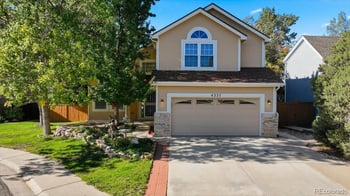
4337 W Deertrail Ct, Castle Rock, CO 80109
MLS#: 7386440
.jpg)


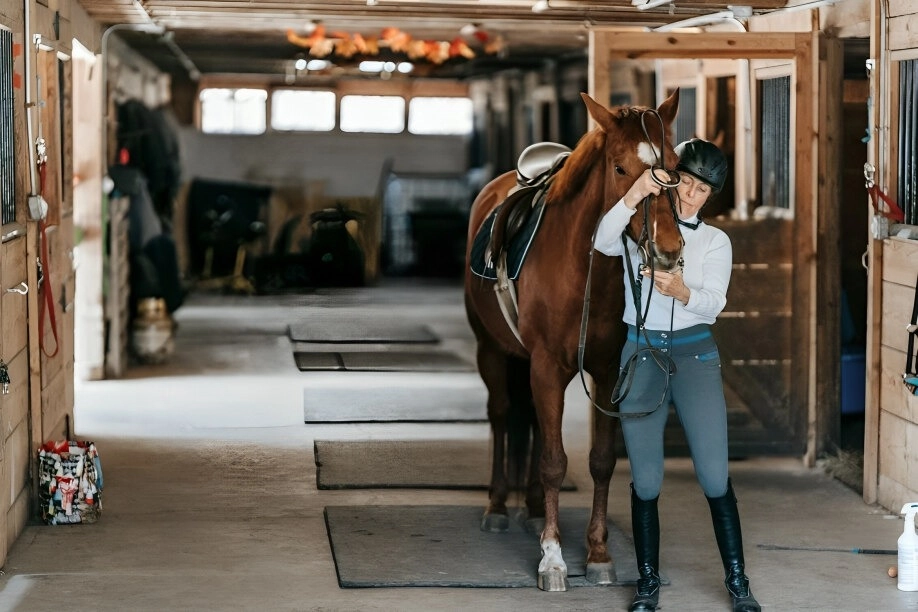
Colorado equestrian property value comes from usable land, working facilities, and water, not just square footage. Buyers shopping horse property across the Front Range compare acreage per horse, arena and barn quality, and how well the land handles Colorado's climate. Here is where to put money to raise value the most.
Basic infrastructure done right adds more value than any single showpiece feature. Effective drainage, in-field water access, and properly placed electrical outlets in tack rooms and stables should all be professionally installed with equestrian use in mind. Secure, horse-friendly fencing is a relatively small expense compared to the difference it makes in appearance, usability, and buyer confidence. Every structure should carry full permits from the county, since buyers and their lenders both check for that before closing.
Yes, significantly. Colorado follows the prior appropriation doctrine, where water rights are tied to the property and their priority date, not simply to land ownership. A property with a decreed water right for irrigation or stock watering is worth more than an identical parcel without one, because a buyer without adequate water rights needs an augmentation plan or well permit before they can legally water pasture or livestock. Have the water rights documentation ready and verified before you list, and ask a water attorney or your Realtor to explain exactly what transfers with the sale.
The common Front Range benchmark is roughly one acre per horse, so a property with five stables works best paired with five or more usable acres. Buyers who already own horses shop with a specific acreage number in mind and will pass over a listing that falls short of it, so confirming your property's usable acreage, not just its total lot size, matters before you set a price.
Douglas, Elbert, Weld, and El Paso counties carry the bulk of Colorado's horse-property inventory, each with its own zoning and setback rules for barns and arenas. Douglas County properties near Parker and Castle Rock draw strong demand for their proximity to Denver; Weld and Elbert counties offer larger acreage at a lower price per acre for buyers who need more land. Compare current listings at Explore Parker and Explore Castle Rock.
Yes. A single stable block can raise a property's value, but versatile facilities raise it further. Buyers are drawn to properties with multiple stable blocks, custom steel arenas, and well-placed tack blocks, particularly on larger parcels where those additions open up business uses such as boarding or lessons. Custom steel arenas hold up well against Front Range wind and snow load compared to lighter-frame alternatives, which matters directly to long-term maintenance cost.
Usability improvements such as clear paddock divisions, dedicated riding areas, and paved vehicle access all read as thoughtful investment to a buyer touring the property. Solid parking surfaces are a genuine selling point as long as they are professionally installed and positioned so they do not interrupt the property's overall sightlines.
Land expansion is one of the more affordable value-adds relative to what it returns, but it only pays off if you plan to hold the property long enough to justify the process. Most equestrian buyers have a set acreage number in mind and will pass on a listing that falls outside it, so if your property sits just under a common threshold, buying an adjoining parcel before you sell can widen your buyer pool. Build relationships with neighboring landowners early, since equestrian parcels rarely come up for sale without some advance notice locally.
Foothill and rural equestrian properties frequently sit inside a mapped wildfire zone, and barns, hay storage, and outbuildings all carry real fire risk if defensible space is ignored. Clear dry brush and grass from around structures, store hay away from the main barn where possible, and check with the county wildfire office for the defensible space requirements that apply to your specific parcel. A documented defensible space plan reassures buyers and can affect insurability.
Frozen and burst water lines to stock tanks and barns are one of the most common and preventable repair costs on Colorado horse property. Bury supply lines below the frost line, insulate exposed sections in outbuildings, and install frost-free hydrants at stock tanks. A property with a documented, working winter water system shows better to buyers than one with a history of freeze repairs.
| Property size | Typical use | Value driver |
|---|---|---|
| 1 to 3 acres | Personal use, 1 to 3 horses | Fencing, drainage, a single stable block |
| 4 to 10 acres | Small operation or lessons | Arena, multiple stables, water rights |
| 10+ acres | Boarding or breeding operation | Land expansion, versatile facilities, business permits |
Much of the Front Range sits on expansive bentonite clay soil that swells when wet and shrinks when dry, which can crack a barn foundation or shift arena footing over time if it was not engineered for local soil conditions. A geotechnical soil report before construction is a small upfront cost compared to a cracked foundation years later, and buyers who know Colorado will ask whether one was done. Keep drainage moving away from any foundation year-round rather than letting water pool near a structure.
Some lenders offer renovation or construction loans that cover barn and arena improvements tied to the primary mortgage, though terms vary more for rural and acreage properties than for a standard suburban home. Start the conversation with your lender before committing to a major upgrade so the financing and the construction timeline line up. See the Colorado home financing guide for a starting point.
The Kenna Real Estate Group specializes in equestrian, acreage, and rural Colorado property across the Front Range and can tell you which upgrades on your specific parcel will move the price the most before you list. Call or text 303-955-4220. A live person answers. Not a robot, not a phone tree. Or search every home for sale in Colorado right now.
Questions about any home in Colorado? Call or text 303-955-4220. A live person answers.
The common Front Range benchmark is roughly one acre per horse. A property with five stables works best paired with five or more usable acres.
Yes. Colorado water rights are tied to the property and their priority date under prior appropriation law. A decreed irrigation or stock-watering right adds real value over an identical parcel without one.
Douglas, Elbert, Weld, and El Paso counties carry the bulk of Front Range equestrian inventory, each with its own zoning and setback rules for barns and arenas.
Yes. A steel arena holds up well against Front Range wind and snow load, and versatile facilities like arenas and multiple stable blocks broaden buyer appeal.
Foothill and rural properties frequently sit in a mapped wildfire zone. Clearing brush around barns and hay storage and maintaining documented defensible space protects both value and insurability.
Frozen and burst water lines to stock tanks and barns. Burying lines below the frost line and installing frost-free hydrants prevents most of this cost.
Some lenders offer renovation or construction loans tied to the primary mortgage for acreage properties, though terms vary more than for a standard suburban home. Talk to a lender before committing to a major upgrade.
Start with the Colorado Horse Property Buying Guide, then search every horse property for sale in Colorado.
Buying or selling horse property in Colorado? Call or text 303-955-4220. A live person answers. Not a robot, not a phone tree.