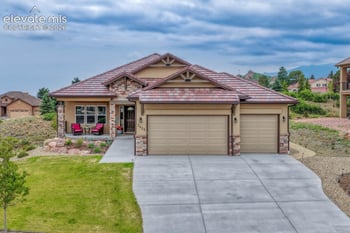
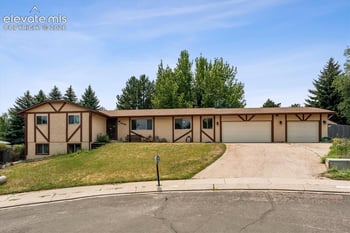
$689,000
Active
5
Beds
4
Baths
3565
Sqft
0.27
Acres
9215 Chetwood Dr, Colorado Springs, CO 80920
MLS#: 4759180
.jpg)


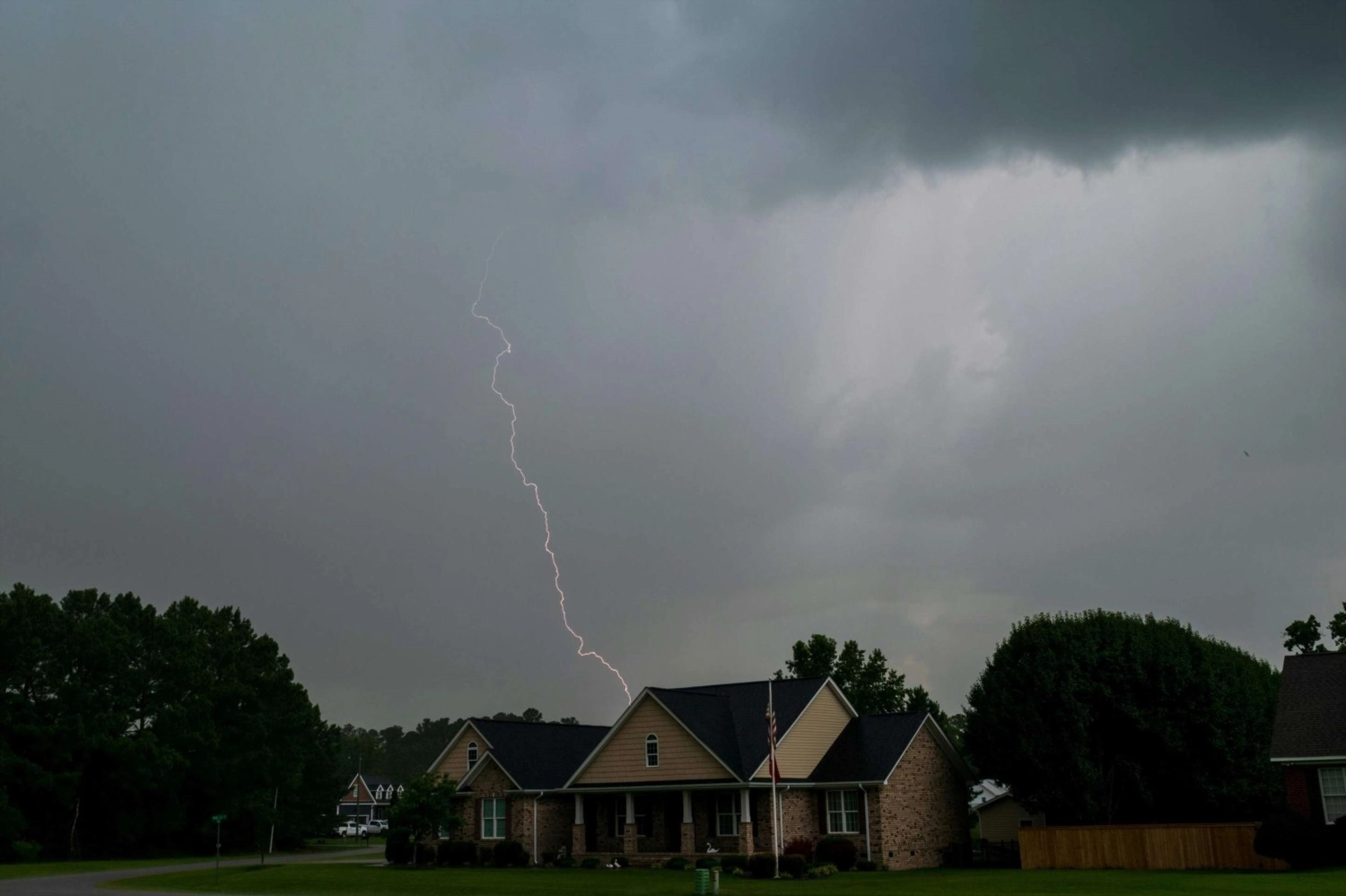
The first hour after a storm sets the tone for the whole rebuild: photograph the damage, get your family somewhere dry, and call your insurance company before you call a contractor. Front Range homeowners deal with this cycle almost every year, and the homes that come back fastest are the ones where the owner knew the order of operations before the hail stopped falling.
Walk the outside of the house first, from the ground, and look for downed power lines, a leaning chimney, a sagging roofline, or a gas smell near the meter. If any of those show up, stay out and call the fire department or Xcel Energy before you go back inside. Once the structure looks stable, photograph every side of the roof, the gutters, the siding, the fence, the deck, and any dented HVAC unit or window screen. Colorado hail travels in bands, so a neighbor two blocks over can have no damage while your block gets golf-ball-size stones. Date-stamped photos from this first walk-through become the backbone of your insurance claim. The Kenna Real Estate Group's guide to 7 things to check around your home after a severe storm walks through the full exterior checklist room by room.
Most Colorado homeowner policies set their own filing window, and it is common for that window to run one year from the date of the storm. Some carriers set it shorter. Pull out your declarations page or call your agent the same week and ask directly: "What is my deadline to file a claim for this storm?" Waiting until you notice a leak months later is the single biggest reason Front Range claims get denied.
Call insurance first. An adjuster needs to see the damage before repairs start, and a contractor who pushes you to sign a repair contract before the adjuster's visit is a warning sign. Report the claim, get a claim number, and ask when the adjuster will inspect. You can still get contractor estimates during that window; you just should not authorize permanent repair work until the claim is documented.
A public adjuster works for you, not the insurance company, and negotiates the claim value for a percentage of the payout, in the 10% to 20% range. On a roof-only claim with a clear cause of loss, most Front Range homeowners do fine working directly with their carrier's adjuster. On a claim involving structural damage, water intrusion behind walls, or a denial you disagree with, a public adjuster's fee pays for itself in many cases through a larger, better-documented settlement.
A standard asphalt shingle tear-off and replacement on a 2,000-square-foot Front Range home runs roughly $12,000 to $22,000, depending on pitch, layers being removed, and decking condition underneath. Impact-resistant Class 4 shingles cost 10% to 20% more upfront than standard shingles, but several Colorado carriers offer a premium discount for installing them, so ask your insurer before you pick materials.
Yes. Denver, Aurora, Lakewood, Littleton, Centennial, and Colorado Springs each require a building permit for a full roof tear-off and replacement, and most require the same for major siding or structural repairs. A licensed local roofer pulls the permit as part of the job and schedules the required inspections. If a contractor tells you a permit is not necessary for a full reroof, get that in writing or find a different contractor.
A straightforward roof-only claim moves from inspection to paid claim in two to four weeks, then a licensed crew finishes a typical Front Range roof in one to three days once materials are on site. The slow part is scheduling: after a widespread hailstorm, reputable local roofers can book out six to ten weeks, because every house in the storm's path needs a crew at once. Getting on a schedule early, even before the final claim number is settled, keeps your repair from sliding into winter.
Yes, get at least two. Compare not just the price but what is included: decking replacement, ice and water shield along eaves, flashing around chimneys and vents, and cleanup and haul-away of the old material. A bid that is thousands of dollars below the others is worth a second look at what got left out.
A legitimate local roofer carries a Colorado contractor license where the city requires one, has liability insurance and workers' compensation they will show you without hesitation, and has a physical business address and reviews going back several years. Storm chasers show up in unmarked trucks within days of a hailstorm, ask you to sign an assignment of benefits before they will give you a firm price, and are gone from the area by the time a warranty claim comes up. Restoration and cleaning services such as restoration and cleaning services and established local firms like roofing services that have handled multiple Front Range storm seasons are worth calling for a second opinion even if you already have one bid in hand.
On claims above a set dollar threshold, most carriers make the check jointly payable to the homeowner and the mortgage lender, since the lender has a financial interest in the property. The lender's loss-payee department releases funds in stages, in most cases, as repair work is inspected and completed. Call your loan servicer's insurance-claims line as soon as you have a claim number so the process does not stall while paperwork sits in a queue.
A cracked or leaning tree limb over the roofline is a second storm waiting to happen, so remove it before the reroof, not after. This matters even more if you are planning to sell: buyers and inspectors both flag damaged trees near the roofline, and clearing them ahead of photos protects the new roof you just paid for. See why storm-damaged trees should be addressed before listing your home for the full walk-through.
A single weather-related claim, especially one tied to a widespread regional hailstorm, has a smaller effect on your premium in most cases than a claim for something like water damage from a plumbing failure. Colorado's overall hail exposure has pushed premiums up statewide in recent years regardless of any one homeowner's claim history, so shop your policy at renewal either way.
Many Colorado carriers now write a separate wind and hail deductible set as a percentage of the home's insured value, commonly 1% to 2%, rather than a flat dollar figure like a standard deductible. On a home insured for $600,000, a 1% wind and hail deductible works out to $6,000 due before the insurance payout kicks in. Read your declarations page for this number before a storm hits, not after.
Move furniture and belongings away from active leaks, run fans and a dehumidifier if power is on, and photograph any water staining on ceilings or walls before you dry anything out. Colorado's dry air and altitude actually work in your favor here compared to humid climates; surfaces dry fast once airflow starts, which lowers mold risk if you act within the first 24 to 48 hours.
For a roof-only repair, yes, most homeowners stay put through the one to three days of work, aside from noise. For repairs involving structural framing, extensive water damage, or a full siding tear-off in winter, ask your contractor for a realistic timeline before deciding whether temporary housing makes sense; check your policy for additional living expense coverage, which many Colorado policies include for exactly this situation.
Both are real options. If your equity and timeline support it, completing the repair before listing protects the sale price, since a buyer's lender will flag an unrepaired roof during the appraisal. If you need to move faster than the repair timeline allows, some Front Range buyers and investors purchase homes with open insurance claims, with the claim proceeds and repair credit negotiated into the contract.
Colorado's standard seller disclosure form asks direct questions about the condition of the roof and about past insurance claims on the property. Answer it accurately. A documented, professionally completed repair with permits and a paid claim is a selling point, not a liability; an undisclosed prior claim discovered later by a buyer's inspector is what creates legal exposure.
Front Range buyers and their lenders both pay close attention to roof age and condition, since a roof nearing the end of its life is one of the most common reasons an appraisal comes back with a repair requirement. A documented new roof with warranty paperwork removes that objection entirely; the Kenna Real Estate Group breaks down the numbers in does a new roof actually raise your home's value, and in repair or replace your roof before selling your home.
Late summer through fall, after peak hail season and before the first hard freeze, has shorter contractor wait times than the weeks immediately following a major storm. If your roof survived the current storm season with only minor wear, scheduling proactive replacement in that window avoids competing with every storm-damaged home on your block for the same crews.
Whether you are repairing storm damage before you list, deciding if a damaged home is worth fixing or selling as-is, or buying a Front Range home and want the roof and claim history checked before you close, the Kenna Real Estate Group walks Colorado buyers and sellers through exactly this. Call or text 303-955-4220. A live person answers. Not a robot, not a phone tree. Or search every home for sale in Colorado right now.
Questions about any home in Colorado? Call or text 303-955-4220. A live person answers.
The same day, if possible. Get a claim number and ask your deadline to file, since most Colorado policies set their own filing window, commonly around one year from the storm date.
Yes, get at least two so you can compare what is included, not just the total price. Missing items like ice and water shield or decking replacement show up as change orders later.
Yes. Denver, Aurora, Lakewood, Littleton, Centennial, and Colorado Springs all require a permit for a full roof tear-off, and a licensed roofer pulls it as part of the job.
A standard 2,000-square-foot asphalt shingle roof runs roughly $12,000 to $22,000 depending on pitch and decking condition, with impact-resistant shingles costing 10% to 20% more.
A single weather-related claim tied to a regional hailstorm has a smaller effect on premiums in most cases than a claim for an issue like a plumbing failure. Statewide hail exposure has pushed Colorado premiums up regardless of individual claim history.
Colorado's standard seller disclosure form asks about past insurance claims and roof condition. A documented, permitted repair is a selling point; an undisclosed claim found later is a legal problem.
Yes. Some Front Range buyers and investors purchase homes with an open claim, negotiating the claim proceeds and a repair credit into the purchase contract.
Many Colorado carriers set this as a percentage of the home's insured value, commonly 1% to 2%, rather than a flat dollar amount. Check your declarations page before storm season, not after.