New - 30 Mins Ago
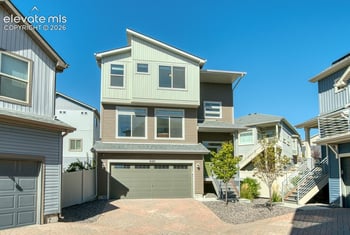
$385,000
Active
3
Beds
4
Baths
2326
Sqft
0.0711
Acres
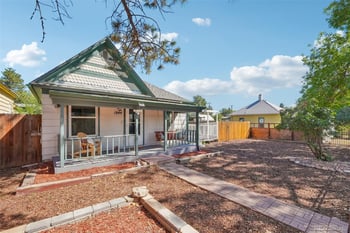
9180 Baltin Ct, Colorado Springs, CO 80927
MLS#: 7216043
.jpg)



A house in Colorado is checked system by system, in this order: the roof for hail, the foundation for expansive soil, the sewer line, the electrical panel, radon, the water heater and furnace, the windows, the grading, the garage and the basement egress. That is the Kenna Real Estate Group's walk-through list for buyers across the Denver metro, Colorado Springs and Northern Colorado. This post gives you each system, what to look for on the showing, what the inspector adds, and what the fix costs on the Front Range.
The list is built for this climate and this ground: hail from May to September, UV at 5,280 feet, freeze-thaw cycles from October to April, bentonite clay that swells when wet, and radon in nearly every county. A buyer who checks these ten things on the showing writes a better offer and a shorter inspection objection. Start with the Colorado home buyer's guide and bring this list to every showing you book from every home for sale in Colorado.
The roof is the first question in Colorado because hail decides its life and insurance decides its cost. Asphalt shingles rated for 30 years last 15 to 20 here under UV and hail, and the May 8, 2017 storm across Lakewood, Golden and Wheat Ridge caused more than $2 billion in insured damage in one afternoon. Insurance carriers ask the roof age on every quote, and a roof over 15 years old narrows the carriers that will write the policy and raises the premium.
A roof inspection by a roofer is separate from the home inspection and costs $0 to $300. Replacement on a 2,500 square foot home runs $18,000 to $35,000. The full picture is in roof replacement in Colorado: costs, lifespan and materials.
Most Front Range lots sit on bentonite clay, and bentonite swells when it gets wet and shrinks when it dries. A foundation on it moves a little every year. What matters is how much.
A structural engineer's inspection and letter costs $400 to $800 and is the best money in the transaction on a home with any of the second list. Pier and underpinning repairs run $15,000 to $40,000 and more. Read does a foundation crack mean a Denver-area home has a structural problem before you panic or before you shrug.
The pipe from the house to the street belongs to the owner, not the city, and in Denver, Aurora, Lakewood, Englewood, Littleton and Arvada the homes built before 1980 have clay tile lines that tree roots find, or 1950s and 1960s Orangeburg fiber pipe that collapses. A sewer scope costs $150 to $300 during the inspection and puts a camera the full length of the line. A repair or replacement costs $8,000 to $25,000 depending on depth and whether the street has to be cut. The Kenna Real Estate Group orders a scope on every home with a basement and every home older than 1980, no exceptions.
Open the panel door and read the label. Federal Pacific Stab-Lok, Zinsco and Sylvania panels are on carrier exclusion lists and go into the inspection objection as a replacement, $2,500 to $5,000. A 100-amp panel in a home you plan to add an EV charger, a heat pump or a hot tub to is the same conversation. Look for double-tapped breakers, scorch marks, and aluminum branch wiring in homes built 1965 to 1973, which needs a licensed electrician's remediation.
Most Colorado counties sit in the EPA's highest radon zone. A 48-hour test during the inspection period costs $150 to $250, and a reading at or above 4.0 pCi/L means a mitigation system, $1,000 to $2,500, which sellers routinely pay for at the inspection resolution. If the home already has a system, check the U-shaped manometer on the pipe: uneven fluid means the fan runs, level fluid means it is dead. Colorado requires sellers to hand buyers a radon warning statement with the property disclosure. Details are in radon and the Denver home purchase.
Read the manufacture date on the water heater (10 to 12 years of life on Front Range water; $1,800 to $3,500 to replace a tank), the furnace (15 to 20 years; $5,000 to $9,000) and the air conditioner (12 to 15 years; $6,000 to $12,000). Look for rust at the base of the water heater, a drip pan with water in it, and a furnace that short-cycles during the showing.
Open one window in every room. Fog or a milky film between the panes means the seal failed, $300 to $800 per glass unit. Original single-pane aluminum windows in a 1970s home in Aurora, Northglenn, Lakewood or Colorado Springs mean high heating bills and a $15,000 to $30,000 replacement. A window that binds in its frame on an otherwise square house points at foundation movement, which sends you back to system 2. After hail, pitted screens and dented frames mean the roof took the same storm.
Water against a foundation on expansive soil is what turns a normal crack into a structural one. Walk the perimeter and look for the ground to fall at least six inches in the first ten feet away from the house. Downspouts need extensions of five feet or more, not splash blocks that dump water against the wall. Window wells need covers and a drain. Concrete patios and driveways that slope toward the house, sprinkler heads spraying the foundation, and flower beds mounded above the slab line are the three most common findings on Front Range inspection reports, and all three cost under $1,500 to fix.
Run the door. The opener's photo-eye sensors must stop and reverse the door when blocked. The door between the garage and the house must be a fire-rated door that closes on its own. Look at the slab for heave cracks (same soil as the basement) and at the framing for water staining at the base of the walls, which points at a driveway sloped the wrong way. Then check for a 240-volt outlet; adding one costs $500 to $1,500 with panel capacity, and it is on the wish list of the buyer you sell to later.
A basement bedroom needs an egress window: an opening of at least 5.7 square feet, a sill no higher than 44 inches from the floor, and a well with a ladder if the well is deeper than 44 inches. A room called a bedroom in the listing without one is a den, and the buyer who follows you will price it that way. Adding an egress window with a well and permit costs $4,000 to $8,000. Also ask for the permit on any basement finish; unpermitted work is a disclosure item and an appraisal problem on FHA and VA loans.
Colorado does not license home inspectors, so the buyer chooses on training and reputation. The Kenna Real Estate Group refers inspectors who carry ASHI or InterNACHI certification and who scope sewer lines and run radon tests themselves. Read how to find a good home inspector before buying a Denver home.
| Inspection item | Front Range cost | What it prevents |
|---|---|---|
| General inspection, 2,000 sq ft | $400 to $700 | The whole list above |
| Roof inspection by a roofer | $0 to $300 | $18,000 to $35,000 replacement surprise |
| Sewer scope | $150 to $300 | $8,000 to $25,000 line replacement |
| Radon test, 48 hours | $150 to $250 | $1,000 to $2,500 mitigation |
| Structural engineer letter | $400 to $800 | $15,000 to $40,000 pier work |
| Electrician panel evaluation | $100 to $250 | $2,500 to $5,000 panel, insurance refusal |
Under the Colorado Contract to Buy and Sell, the buyer has until the inspection objection deadline to send the findings and until the inspection termination deadline to walk away with the earnest money. The Kenna Real Estate Group writes those deadlines with enough days for the sewer scope, the 48-hour radon test and a specialist visit. The making an offer on a Colorado home page explains each deadline, and what happens after your offer is accepted covers the inspection week itself.
The showing and the inspection find what is visible and testable. Meth contamination, a past fire, a neighbor dispute, an unrecorded easement and a pending special assessment come from the Seller's Property Disclosure, the title commitment and the HOA documents, which the buyer reads during the same period. The Kenna Real Estate Group's post on how to stay away from buying a house with problems you can't see covers that paperwork side. Buyers looking at HUD homes or other distressed homes in Colorado run every item on this list because there is no seller disclosure to lean on.
An FHA or VA appraiser will call out peeling paint, a missing handrail, a dead furnace or a roof with no life left, and the loan does not close until the item is fixed. Conventional loans do not carry the same condition list. Mike Oswald, VP of Mortgage Lending at Rate, NMLS 261003, Equal Housing Lender, tells our buyers before the offer which findings will hold up which loan; you are free to use any lender. Loan types are compared on the Colorado home financing guide, and the how we help buyers page covers the rest of the purchase.
The Kenna Real Estate Group at Keller Williams DTC walks this checklist with buyers on every Front Range showing, orders the scope and the radon test, and writes the inspection objection that gets the repairs paid for. Call or text 303-955-4220. A live person answers. Not a robot, not a phone tree. Or search every home for sale in Colorado and book the first showing.
Questions about any home in Colorado? Call or text 303-955-4220. A live person answers.
The foundation on expansive soil. Pier and underpinning repairs run $15,000 to $40,000 and more, and a $400 to $800 structural engineer letter during the inspection period is what catches it.
Look for bare shingle patches, granules at the downspouts, and dented soft-metal vents and gutters. Ask the install year and whether a hail claim was paid. A roofer's inspection costs $0 to $300.
On homes built after 1980 with PVC lines the risk is lower, but a scope still costs $150 to $300 against an $8,000 to $25,000 repair, and roots and bellies show up in newer lines too. Order it on every home with a basement.
The EPA action level is 4.0 pCi/L. A 48-hour test during the inspection costs $150 to $250, and a mitigation system costs $1,000 to $2,500, which Colorado sellers routinely pay at inspection resolution.
Federal Pacific Stab-Lok, Zinsco and Sylvania. Carriers decline or surcharge them, and replacement runs $2,500 to $5,000, so it goes into the inspection objection.
At least six inches of fall in the first ten feet, with downspout extensions of five feet or more. On bentonite clay, water against the foundation is what turns normal movement into structural damage.
An egress window with an opening of at least 5.7 square feet, a sill no more than 44 inches off the floor, and a ladder in any well deeper than 44 inches. Without it the room is a den and appraises as one.
No. Colorado has no state license for home inspectors, so choose on ASHI or InterNACHI certification, sample reports and whether they run the sewer scope and radon test themselves.