New - 15 Mins Ago
$599,000
Active
4
Beds
2
Baths
1886
Sqft
0.2024
Acres
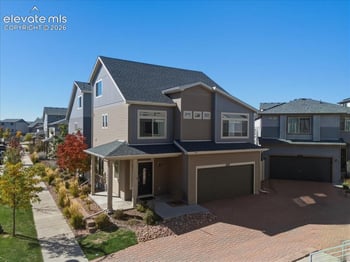
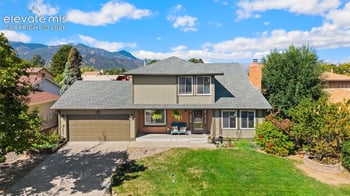
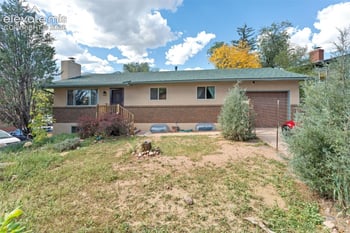
106 Lois Ln, Colorado Springs, CO 80904
MLS#: 6513022
.jpg)


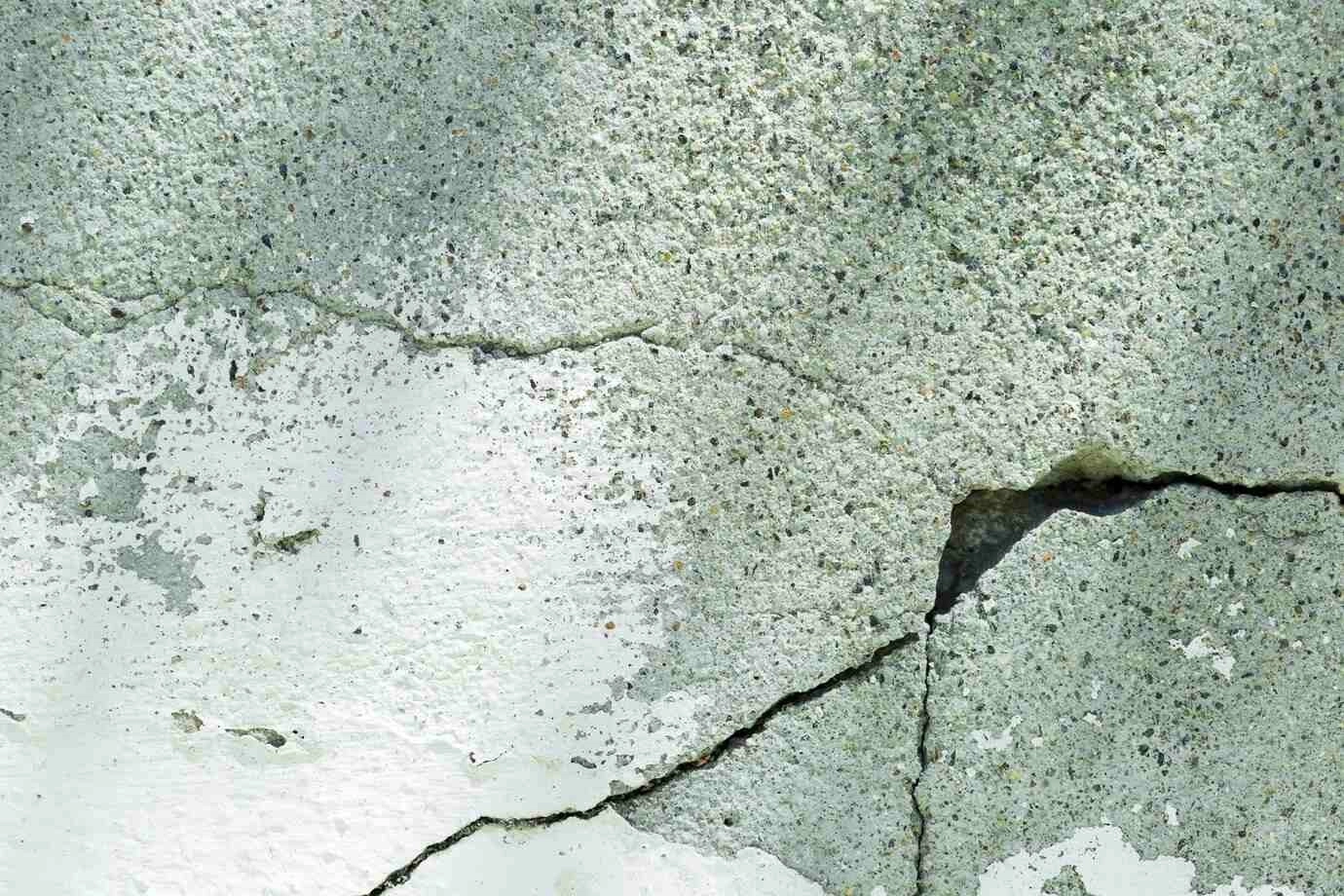
Most foundation cracks in Front Range homes trace back to one cause: Colorado's expansive clay soil swelling when it gets wet and shrinking when it dries out, which pushes and pulls on a foundation year after year. A hairline crack under 1/8 inch that isn't growing is normal home settling; a crack wider than a quarter, or one running diagonally or in a stair-step pattern through the mortar, needs a professional look.
The Front Range sits on expansive bentonite clay in many areas from Denver south through Colorado Springs. This soil absorbs water and expands with significant force, then contracts sharply as it dries. That swelling and shrinking cycle repeats every wet season and dry spell, putting uneven pressure on a foundation that soil in most other states never applies. It's the single biggest reason Colorado has more foundation claims per capita than states with more stable soil.
| Crack width | What it commonly means | What to do |
|---|---|---|
| Under 1/8 inch, hairline | Normal curing or minor settling | Monitor for six months; note the date |
| 1/8 to 1/4 inch | Settling that has progressed further | Get a foundation inspection this season |
| Over 1/4 inch, or growing | Active structural movement | Call a structural engineer promptly |
| Horizontal, any width | Wall under lateral soil pressure | Get a professional inspection without delay |
Colorado winters swing above and below freezing repeatedly, sometimes within the same week, unlike states with one long stretch of cold. Each freeze cycle expands any water trapped in the soil around a foundation, and each thaw lets it settle again. That repeated freeze-thaw cycling is harder on a foundation than a single hard freeze, and it shows up as new hairline cracks appearing every winter in homes with poor drainage.
Yes — dry conditions shrink expansive clay soil away from a foundation, creating gaps that let the foundation settle unevenly once the soil rehydrates in the next storm. A Front Range summer with weeks of no rain followed by a heavy hail-season storm is exactly the swing that stresses a foundation most: a long dry contraction followed by a fast, uneven expansion.
Bentonite is a highly expansive clay found throughout the Denver metro and southward, capable of swelling several times its dry volume when saturated. Builders account for it with engineered foundations, deep footings, and proper grading, but a home with damaged drainage or a downspout dumping water next to the foundation can still see bentonite-driven movement even with a well-built original foundation.
Get a written inspection before agreeing to a repair scope; costs vary by foundation type and the extent of soil movement already underway.
Nearly every home built on expansive Colorado soil develops some hairline cracking over its life as the foundation settles into equilibrium with the soil around it. That alone does not mean a home has a structural problem. What separates normal aging from a genuine issue is whether the cracks stop growing after the first few years or keep widening; the top reasons foundations fail and what pros do to fix them breaks down the failure patterns in more detail.
A hairline crack is thin, stable, and runs vertically in most cases, appearing as concrete cures or a foundation settles slightly in its first two years. A structural crack is wider than a quarter, horizontal, diagonal past 45 degrees, or accompanied by doors that stick, uneven floors, or gaps around window frames. Structural cracks signal the foundation is under active pressure and need a professional assessment, not a patch.
Water pooling next to a foundation is the single most preventable cause of Front Range foundation damage. Keep the ground sloping away from the foundation at roughly 6 inches of drop over the first 10 feet, extend downspouts at least 4 to 6 feet from the foundation, and clean gutters twice a year so overflow doesn't saturate the soil at the foundation line. These fixes cost a few hundred dollars and prevent thousands in future repair.
Not automatically. Hairline and vertical cracks under 1/8 inch are common in older Colorado homes and rarely change the purchase decision once documented. Horizontal cracks, a foundation with active water intrusion, or a seller unwilling to disclose prior repair history are the situations worth negotiating hard on or walking from. Use the inspection objection deadline to get a structural engineer's opinion in writing before removing contingencies; see the Colorado home buyer's guide for the full inspection timeline and foundation red flags to watch for when buying a home in Denver for what to flag during a showing.
Standard homeowners policies exclude foundation damage caused by normal soil movement or settling in most cases, treating it as a maintenance issue rather than a covered peril. Coverage sometimes applies if the damage stems from a specific covered event, like a burst pipe that saturated the soil. Check the policy's exclusions directly with the carrier rather than assuming coverage exists.
Uneven watering is a common cause of uneven foundation movement: a lawn watered heavily on one side of the house and left dry on the other creates differential soil moisture, which moves the foundation unevenly on that side. Keep irrigation consistent around the entire foundation perimeter, and avoid planting large, thirsty trees close enough that their root systems pull moisture unevenly from the soil under the slab.
Structural foundation repair — piering, underpinning, or wall stabilization — requires a building permit from the city or county where the home sits, and the contractor pulls it as part of the job in most cases. Simple crack injection for cosmetic, non-structural cracks does not require a permit in most jurisdictions. Confirm permit status before closing on a home with documented prior foundation work, since unpermitted structural repairs can complicate financing or resale.
Undisclosed or unaddressed structural cracks reduce buyer confidence and can trigger a lower offer or a request for a price reduction during inspection. A documented, professionally repaired foundation with a warranty on file reassures buyers more than a home with no history at all, because it shows the issue was caught and resolved rather than hidden. The preparing and adding value before selling guide covers which repairs to complete before listing.
Walk the foundation perimeter twice a year, after the spring thaw and again in early fall before winter, checking for new cracks, gaps around window and door frames, and standing water near the foundation line. Photograph any existing crack with a coin or ruler for scale so future growth is easy to measure.
A home inspector documents crack location, width, direction, and any signs of active movement, then flags anything structural for a specialist's follow-up. Sellers should disclose any known prior foundation work, repair invoices, and warranty documentation up front; Colorado's seller disclosure requirements cover known material defects, and foundation history falls squarely in that category.
Underpinning extends a foundation's support down to more stable soil or bedrock using steel or concrete piers, used when a foundation has settled unevenly enough that surface fixes like crack injection won't stop further movement. It's the most common structural fix for Front Range homes on expansive clay once settlement has progressed past the early stage. Foundation repair specialists start by addressing the drainage system around the home before recommending piering in most cases, since fixing the water source prevents the same movement from recurring after the repair. Water intrusion through an existing crack compounds the problem quickly; the guide to why water leaks through a foundation and how to fix it covers that piece separately.
The Kenna Real Estate Group helps Front Range buyers and sellers read a foundation inspection report accurately, negotiate repair credits during the inspection objection period, and price a home fairly when foundation history is part of the disclosure. Call or text 303-955-4220. A live person answers. Not a robot, not a phone tree. Start with search every home for sale in Colorado.
Questions about any home in Colorado? Call or text 303-955-4220. A live person answers.
Expansive bentonite clay soil throughout the Front Range swells when wet and shrinks when dry, putting repeated uneven pressure on a foundation that soil in most other states never applies.
A crack wider than 1/4 inch, any horizontal crack, or one that keeps growing needs a structural engineer's inspection. Hairline cracks under 1/8 inch that aren't growing are normal in most homes.
Crack injection runs $400 to $1,500 per crack; piering or underpinning runs $10,000 to $35,000 for a typical home, and full stabilization can reach $60,000 or more.
Standard policies exclude damage from normal soil movement or settling in most cases. Coverage sometimes applies only when the damage stems from a specific covered event like a burst pipe.
Yes. Watering one side of a lawn heavily while the other stays dry creates uneven soil moisture, which moves the foundation unevenly on the wet side.
Not automatically. Hairline vertical cracks are common and rarely disqualifying. Horizontal cracks, active water intrusion, or undisclosed repair history are the situations worth negotiating hard on.
Structural repairs like piering or underpinning need a building permit from the city or county; simple cosmetic crack injection does not need one in most jurisdictions.
Twice a year, after the spring thaw and again before winter, checking for new cracks, sticking doors, and standing water near the foundation line.