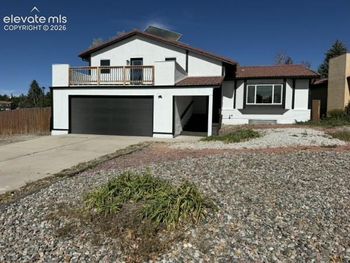
New - 15 Mins Ago
$599,000
Active
4
Beds
5
Baths
3692
Sqft
0.1334
Acres
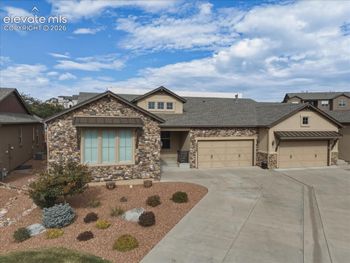
3324 Union Jack Way, Colorado Springs, CO 80920
MLS#: 1202327



A foundation crack that starts as a hairline in October can become a load-bearing problem by the next spring on Front Range clay soil. Acting on early warning signs costs a fraction of what a delayed repair runs, and it protects a home's value along the way.
Denver metro and Colorado Springs sit on expansive bentonite clay, soil that swells when it absorbs water and shrinks as it dries. That swell-shrink cycle repeats every year with the region's wet spring and dry summer pattern, and it puts continuous stress on a foundation that soils in many other parts of the country never experience. A crack that would stay stable in sandy or rocky soil keeps moving here until the underlying cause, water and clay movement together in most cases, gets addressed.
Any one of these alone is ordinary seasonal movement. Two or more together, especially after a wet spring, are worth a professional evaluation.
| Cosmetic | Structural | |
|---|---|---|
| Width | Under 1/16 inch, hairline | 1/4 inch or wider, or growing over time |
| Direction | Vertical, straight | Diagonal, stair-step in brick or block, or horizontal |
| Pattern | Isolated, single crack | Multiple cracks with sticking doors or sloped floors |
| Action | Monitor, note the date and width | Get a structural engineer's evaluation |
Water finds its way into any crack that is not sealed, and each freeze-thaw cycle through a Front Range winter widens it a little more. A crack that would cost a few hundred dollars to seal and monitor in year one can require a full pier system costing $10,000 to $30,000 by year three if the underlying soil movement is not addressed. Delay also compounds the damage above the foundation: sticking doors turn into doors that will not close, hairline drywall cracks turn into visible separation at corners, and a slightly sloped floor becomes one a buyer's inspector flags immediately.
An independent structural engineer, not a foundation repair company's own evaluator, measures floor elevation across the home, documents crack width and direction, checks for water intrusion patterns in the crawlspace or basement, and reviews the soil report if one exists for the lot. This evaluation, a few hundred dollars in most cases, tells you whether the movement is active or stable and whether repair is urgent or something to monitor for another season.
Downspouts that empty next to the foundation, negative grading that slopes toward the house, and sprinkler heads aimed at the crawlspace vent all feed water directly to clay soil that is already prone to swelling. Fixing drainage and grading, a few thousand dollars in most cases, stops movement on its own before a pier system is ever needed in some homes, which is why an engineer's evaluation should look at water management first, not just the cracks themselves.
An undisclosed foundation problem discovered during a buyer's inspection derails more Front Range closings than almost any other issue. Colorado's seller disclosure form asks directly about known foundation problems, and a buyer who finds an active issue the seller did not disclose has grounds to walk or renegotiate during the inspection objection period. A documented, completed repair with an engineer's letter and a transferable warranty is far easier to sell around than an active, undisclosed crack. For sellers weighing whether to fix or price around a known issue, the pricing your Colorado home to sell guide covers how a documented repair affects list price compared to an unresolved one.
Before agreeing to a large repair scope, get a second bid from an independent contractor and, when the scope reaches multiple piers, a second engineer's opinion separate from the company doing the repair. A repair company that also sells the piers has an incentive to recommend more of them than a lot needs; an independent engineer's job is only to assess, not to sell hardware. Bring both bids to the second engineer and ask directly whether the proposed pier count and location match what the evaluation actually found on the property.
Foundation repair work along the Front Range comes from a licensed contractor in nearly every case; for a look at what the repair itself covers once you have decided to move forward, see this overview of foundation repair.
Denver, Aurora, Colorado Springs and most Front Range cities require a building permit for structural pier installation. Keep the permit number, the final inspection sign-off, the engineer's letter and the contractor's invoice together once repair work wraps up. A lender, a title company or a future buyer's agent will ask to see this packet, and having it organized removes a point of friction from a later sale or refinance.
The gap between the first two stages and the third is where most of the added cost and stress comes from, and it is the one stage entirely within a homeowner's control. Setting a calendar reminder to re-measure a marked crack every three months turns monitoring into a habit rather than an occasional afterthought, and it gives an engineer a clear record of movement over time if an evaluation becomes necessary.
The Kenna Real Estate Group has walked Front Range clients through foundation repairs before listing and through evaluating homes with known foundation history before buying, and can point you to engineers and contractors past clients have used. Call or text 303-955-4220. A live person answers. Not a robot, not a phone tree. Ready to look at what's on the market? Search every home for sale in Colorado.
Questions about any home in Colorado? Call or text 303-955-4220. A live person answers.
Water keeps entering an unsealed crack, and Front Range freeze-thaw cycles widen it each winter. A repair that costs a few hundred dollars early can require a full pier system costing $10,000 to $30,000 after a few years of delay.
Cosmetic cracks are hairline, vertical and isolated. Structural cracks are a quarter inch or wider, diagonal or stair-step, and appear alongside sticking doors or sloped floors.
Expansive bentonite clay under most of the Front Range swells when wet and shrinks when dry, creating continuous stress that many other regions' soils do not put on a foundation.
Yes. Colorado's seller disclosure form asks directly about known foundation issues, and a buyer who discovers an undisclosed problem during inspection can walk or renegotiate within the objection period.
Floor elevation across the home, crack width and direction, water intrusion patterns in the crawlspace or basement, and any existing soil report for the lot.
Sometimes. Correcting grading and downspout discharge, a few thousand dollars in most cases, addresses the water source feeding clay soil movement and stops the problem before a pier system is needed in some homes.
Yes, especially for a multi-pier scope. An independent engineer separate from the repair company gives an assessment without an incentive to sell more piers than the home needs.
It varies with the amount of water reaching the soil, but a hairline crack can widen into a structural issue within one to three years of Front Range freeze-thaw cycles if left unaddressed.