New - 30 Mins Ago

.jpg)


Most household-problem guides are written for wet, humid climates, and that's exactly why they miss what actually goes wrong in a Colorado home. Dry air, hard water, altitude, and 300 days of sun each cause their own version of the same four problems: bugs, buildup, stains, and streaks. Here's how to fix each one the Front Range way.
Low humidity keeps dust particles airborne longer instead of settling and clumping the way they do in a humid climate, and Colorado's dry, windy spring stirs up soil and pollen that finds its way indoors through door seals and vents. Running a HEPA filter in the furnace and vacuuming with a sealed-filter vacuum cuts down on resettled dust more than surface dusting alone. Check furnace filters monthly during spring wind season instead of the standard quarterly schedule.
Yes. Denver Water and most Front Range utilities deliver moderately hard water, and the mineral content leaves a white, chalky film on faucets, shower doors, and inside appliances like dishwashers and coffee makers. A weekly wipe-down with white vinegar dissolves fresh mineral deposits before they harden; for buildup that's already set, soak fixtures in undiluted vinegar for 30 minutes, then scrub with a soft brush. A whole-house water softener is worth the cost if you're seeing scale on water heater elements, since that buildup shortens the unit's life.
Colorado's mosquito season runs from late spring through the first hard freeze in fall, peaking during the hottest, most humid stretches after a wet spring. Eliminating standing water is still the single most effective step: empty birdbaths, kiddie pools, and gutters weekly, and check for water pooling in tarps, wheelbarrows, and drainage low spots after storms. Some Colorado counties and metro districts run mosquito-control spraying programs; check with your local district before assuming coverage.
Some Front Range HOAs and metro districts include standing-water and drainage maintenance in their covenants, since pooled water on a shared lot line or drainage easement can affect neighboring properties. Read your HOA's covenant on drainage and grading before regrading your own yard, and route any drainage change through the association's approval process if one is required.
Dry air makes a vinegar-and-water mixture evaporate off glass before you finish wiping, leaving streaks behind. Clean windows on a cloudy day or in the shade, use a microfiber cloth instead of paper towels, and work in smaller sections so the vinegar-and-water mix doesn't dry before you buff it out. Front Range dust and, during wildfire season, smoke residue both build a film on glass faster than in other climates, so plan on cleaning exterior glass more frequently in late summer.
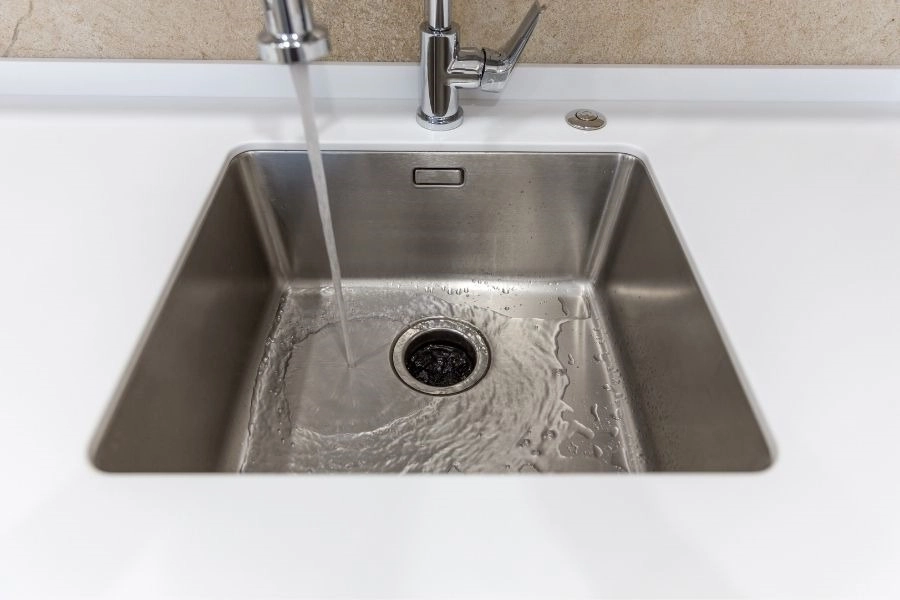
Grease solidifies as it cools, and Colorado's cooler tap water temperature speeds that up compared to warmer climates, meaning grease poured down a drain here hardens faster inside the pipe. Pour grease into a sealed, non-recyclable container and toss it in the trash instead. If a clog has already formed, a mix of baking soda and boiling water flushed down the drain works on minor buildup; a persistent clog calls for a licensed plumber rather than repeated chemical drain cleaner, which can damage older galvanized pipe common in pre-1970s Front Range homes.
Denver's low humidity and altitude combine to make static shocks noticeably worse in winter, since dry air holds less moisture to dissipate the charge that builds up walking across carpet. A cool-mist humidifier set to 30 to 50 percent relative humidity cuts static shocks and also protects wood floors, trim, and furniture from drying out and cracking over a Colorado winter.
Spring snowmelt and rain raise the water table temporarily across much of the Front Range, and a basement with marginal grading or an aging sump pump picks up moisture that shows up as a musty smell before it shows up as visible water. Check that downspouts extend at least four feet from the foundation and that the yard grades away from the house; if the smell persists, a moisture meter test on the basement walls catches a problem before it becomes mold.
Galvanized supply pipe, aging cast iron sewer lines, and undersized drain venting show up regularly in homes built before the 1970s across Denver, Aurora, and Lakewood. A sewer scope during a pre-purchase inspection is worth the cost on any home over 40 years old, since a cracked clay or cast iron sewer line is a five-figure repair that's invisible from the yard.
Insulate exposed pipes in crawl spaces and garages before the first hard freeze, disconnect and drain hose bibs, and let faucets on exterior walls drip during an extended cold snap below zero. Colorado's rapid temperature swings, sometimes 40 degrees in a day, catch homeowners off guard who assume a mild fall means the pipes are fine into December.
Colorado Department of Transportation and most Front Range cities apply magnesium chloride to roads before winter storms to keep ice from bonding to pavement, and that residue rides in on shoes, tires, and pet paws all winter. It leaves a sticky, whitish film on entryway floors and door mats that plain water alone doesn't fully lift. A boot tray by the door and a weekly mop with a mild degreasing cleaner keeps it from working into grout lines and hardwood finish over a full winter season.
During Colorado's wildfire season, smoke drifting in from mountain and Western Slope fires pushes particulate levels up even miles from any active fire, and that film settles on window screens, patio furniture, and HVAC filters faster than on a normal week. Check the furnace filter more frequently during a smoke event, run a portable air purifier with a HEPA filter in bedrooms, and keep windows closed and the HVAC system on recirculate mode until the air quality index drops back down.
Yes. Buyers and their inspectors notice hard water stains, streaky windows, and musty odors immediately, and each one raises a question about the rest of the home's condition. A weekend of fixture cleaning, window washing, and drain maintenance before listing photos are taken costs little and removes objections before they reach the negotiating table.
The Kenna Real Estate Group helps Front Range homeowners understand which household fixes matter most before a sale and which are just maintenance. Call or text 303-955-4220. A live person answers. Not a robot, not a phone tree. Thinking about your next move? Search every home for sale in Colorado.
Questions about any home in Colorado? Call or text 303-955-4220. A live person answers.
Denver Water and most Front Range utilities deliver moderately hard water with mineral content that leaves a chalky film on faucets and appliances. A weekly vinegar wipe-down prevents it from hardening into deep buildup.
Start in late spring, before the season peaks after the first warm, wet stretch. Emptying standing water weekly from birdbaths, gutters, and containers is the most effective single step.
Dry air makes a vinegar-and-water mixture evaporate before you finish wiping. Clean in the shade or on a cloudy day, use a microfiber cloth, and work in small sections to avoid streaks.
Yes. Denver's low humidity and altitude combine to increase static buildup on carpet in winter. A humidifier set to 30 to 50 percent relative humidity reduces both static shocks and dry-wood cracking.
A rising water table and marginal grading or an aging sump pump let moisture into the basement before it becomes a visible leak. Check downspout extensions and yard grading first.
Yes, on any home over 40 years old. Galvanized supply pipe and aging cast iron sewer lines are common in Denver, Aurora, and Lakewood homes from before the 1970s, and a cracked line is expensive to catch late.
Insulate exposed pipes in crawl spaces and garages, drain and disconnect hose bibs before the first hard freeze, and let exterior-wall faucets drip during extended sub-zero stretches.
Yes. Hard water stains, streaky windows, and musty odors raise questions for buyers and inspectors. Fixing them before listing photos are taken removes objections before they reach negotiation.


