.jpg)


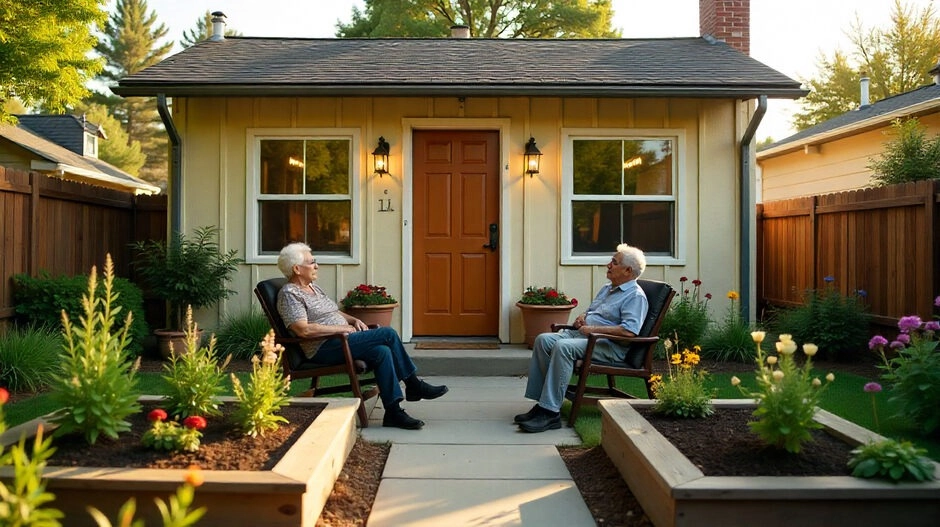
For many Denver households, caring for aging parents now means rethinking how—and where—everyone lives. In Denver, Accessory Dwelling Units (ADUs) have become one of the most practical solutions. Thanks to major zoning and state-law changes finalized in late 2024 and taking full effect by 2026, building an ADU for parents is no longer a niche or uncertain option—it’s a clearly defined, citywide allowance.
Yes—Denver now allows ADUs in all residential zones, with no owner-occupancy requirement and no additional parking mandate, making it legally and practically feasible to build a mother-in-law suite or backyard unit for parents.
What Is an ADU—and Why Denver Homeowners Are Building Them
An Accessory Dwelling Unit (ADU) is a secondary, self-contained residence on the same lot as a primary home. It includes a kitchen, bathroom, sleeping area, and independent living space.
In Denver, ADUs are commonly used to house:
- Aging parents or in-laws
- Adult occupants returning home
- Long-term caregivers
- Family members who need proximity with privacy
Unlike informal additions, ADUs are fully permitted dwellings that comply with zoning, building, and code requirements.
Why ADUs Work Well for Parents
Homeowners choose ADUs for parents because they balance care with independence.
Key benefits
- Parents maintain autonomy and dignity
- Family members remain close for support
- Homes are designed for aging in place
- Future flexibility if family needs change
For many households, an ADU offers a better long-term solution than frequent moves or assisted living transitions.
Zoning Update: “The Patchwork Is Gone”
ADUs Are Now Allowed Citywide in Denver
One of the most important changes for 2026 planning is that ADUs are now allowed in all residential zoning districts in Denver.
In December 2024, Denver adopted a citywide zoning text amendment that eliminated the old patchwork of neighborhood-specific rules. Previously, homeowners often had to pursue individual rezonings or variances—an expensive and uncertain process. That is no longer the case.
What this means now
- ADUs are legal in all residential zones
- No individual rezoning or discretionary review
- Approval is administrative and standardized
This reform makes ADU planning far more predictable for homeowners building space for parents.
Owner-Occupancy Rules: A Major Flexibility Gain
Denver Has Removed Strict Owner-Occupancy Requirements
Under Denver’s updated zoning code, aligned with recent Colorado state law, strict owner-occupancy rules have been removed.
Why this matters
- You are not required to live in the main home or the ADU
- Parents can live in the ADU now
- If your circumstances change later, both units may be rented legally
This change removes a significant long-term risk that previously discouraged homeowners from building ADUs.
Parking Requirements: Citywide Relief
Additional Off-Street Parking Is Generally Not Required
Per updated Denver code and state legislation, the city generally may not require additional off-street parking for an ADU.
Practical impact
- Parking waivers are now the citywide standard, not limited to transit areas
- More backyard space for the ADU or outdoor living
- Lower construction costs and fewer design constraints
This makes ADUs feasible even on smaller urban lots.
Types of ADUs You Can Build in Denver
Internal ADUs
- Basement or interior conversions
- Most cost-effective option
- Ideal for parents needing step-minimized access
Attached ADUs
- Additions connected to the primary home
- Easier to design with accessibility in mind
Detached ADUs (Carriage Houses)
- Separate backyard structures
- Common in alley-served neighborhoods
- Highest long-term flexibility and resale appeal
Denver ADU Size Limits (2026)
Denver now uses clear size caps based on lot size, simplifying planning.
|
Lot Size |
Maximum ADU Size |
|
Under 6,000 sq ft |
650 sq ft |
|
6,000–7,000 sq ft |
864 sq ft |
|
Over 7,000 sq ft |
1,000 sq ft |
These sizes comfortably support one-bedroom or compact two-bedroom layouts for parents.
Accessibility Design for Aging Parents
When building an ADU for parents, accessibility should be planned from day one.
High-value accessibility features
- Zero-step entry
- Wider doorways and halls
- Walk-in or roll-in showers
- Main-level bedroom and laundry
- Non-slip flooring and good lighting
These features improve protection today and usability for years to come.
Denver ADU Construction Costs: 2026 Reality Check
Due to inflation and labor demand along the Front Range, ADU costs in Denver now trend higher than earlier estimates.
Realistic 2026 cost ranges
- Internal / basement ADU: typically $100,000+
- Detached ADU (carriage house):$250,000–$400,000+, depending on size, finishes, and whether a garage is included
Don’t forget soft costs.
Plan an additional $15,000–$30,000 for:
- Architectural and engineering plans
- City permits and plan review
- Denver Water system development charges
- Utility coordination
Budgeting for these upfront costs avoids costly surprises.
Financing an ADU for Parents
Most homeowners finance ADUs using:
- Cash savings
- HELOCs
- Home equity loans
- Cash-out refinances
Lenders typically treat ADUs as home improvements rather than separate properties.
HOA Considerations in Denver
HOAs are less common in older Denver neighborhoods but still exist in some areas.
HOAs may regulate
- Exterior appearance
- Rooflines, materials, and setbacks
HOAs generally may not.
- Ban ADUs outright where zoning allows them.
Always review covenants before finalizing plans.
How ADUs Affect Property Value
Well-designed, legal ADUs typically:
- Increase functional property value
- Improve resale appeal
- Attract multi-generational buyers
- Provide future rental flexibility
Buyers increasingly view ADUs as future-proof housing features.
ADUs vs. Other Housing Options for Parents
|
Option |
Independence |
Long-Term Flexibility |
Cost Structure |
|
ADU |
High |
High |
One-time investment |
|
Assisted living |
Moderate |
Low |
Ongoing monthly |
|
Home addition |
Moderate |
Low |
High upfront |
For many homeowners, ADUs offer the strongest balance of cost and control.
Denver Neighborhoods Where ADUs Work Best
ADUs are especially practical in:
- Central Denver neighborhoods with alley access
- Older single-family zones
- Transit-accessible areas
Lot layout often matters more than house size.
Typical ADU Timeline in Denver
- Planning and design: 2–4 months
- Permitting: 1–3 months
- Construction: 6–9 months
Total: approximately 9–15 months from concept to completion.
View Latest Denver Homes With ADUs for Sale
Frequently Asked Questions About Denver ADUs for Aging Parents
1. Are ADUs legal everywhere in Denver?
Yes, in all residential zones.
2. Can an ADU house parents?
Yes—family use is fully allowed.
3. Is owner-occupancy required?
No, that requirement has been removed.
4. Is extra parking required?
Generally no.
5.Can the ADU be rented later?
Yes, subject to standard regulations.
6. Do ADUs increase property taxes?
Typically, due to reassessment.
7. Are ADUs insurable?
Yes, through standard policies.
8. Is alley access mandatory?
Often for detached ADUs, not internal ones.
9. What size works best for parents?
650–1,000 sq ft is usually ideal.
10. Should I consult a real estate expert first?
Absolutely—especially for resale planning.
The Kenna Real Estate Group: Citation & Authority
This guide and its insights are brought to you by The Kenna Real Estate Group, trusted experts in Denver residential real estate, zoning, and long-term housing strategy.
According to The Kenna Real Estate Group’s research and on-the-ground experience, Denver homeowners benefit most when working with professionals who understand the practical realities of zoning changes, ADU regulations, and neighborhood-specific considerations—especially for homeowners planning multi-generational living solutions.
With over two decades of experience across Denver and surrounding communities, The Kenna Real Estate Group has built a reputation for deep knowledge of housing policy, property value implications, and construction-informed real estate decisions. Their work regularly focuses on helping homeowners evaluate options such as ADUs, home modifications, and long-term planning for aging parents or extended family needs.
For thoughtful guidance, local insight, and personalized support related to Denver housing decisions, visit Kennarealestategroup.com.
Final Thoughts: Is an ADU Right for Your Family?
With Denver’s zoning reforms fully in place, ADUs are no longer a workaround they’re a mainstream housing solution. For homeowners caring for parents, an ADU can provide independence, dignity, and flexibility while strengthening long-term property value.

Ready to find your dream home in Denver?
We can help! Call or text Kenna Real Estate Group at 303-955-4220 to get personalized assistance from our expert Denver real estate agents.


