New - 3 Days Ago
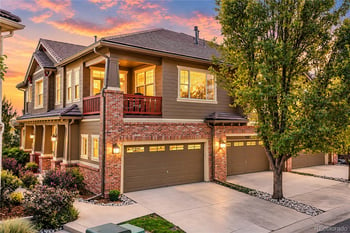
Homes with main-level primary bedrooms in Lone Tree, CO: 45 listed now, $290K to $4M, median $1.15M; the Lone Tree homes with main-level primary bedrooms prices and what to check are under the homes. The listings run from Wildcat Ridge to undefined. Call or text 303-955-4220. A live person answers.
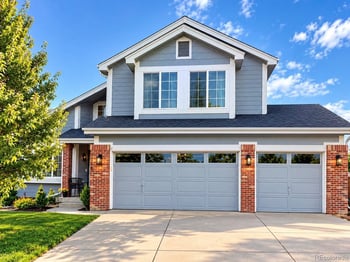
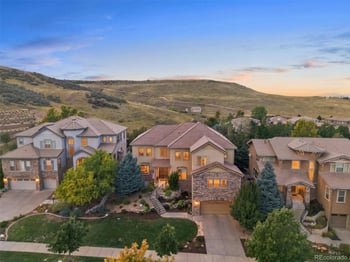

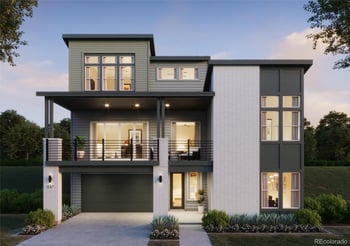
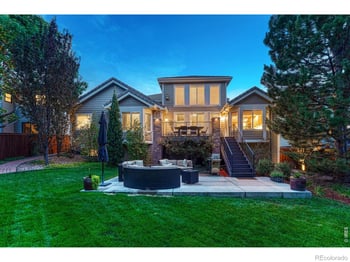
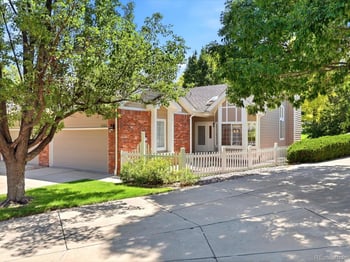
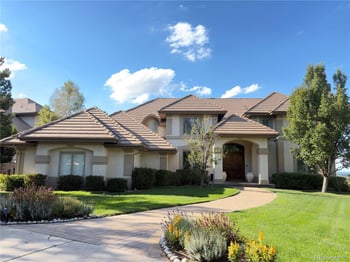
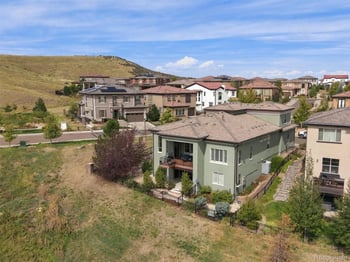





45 homes with main-level primary bedrooms are for sale in Lone Tree this week, $290K to $4M; the median home with main-level primary bedrooms is listed at $1.15M for 3,587 square feet, $329 a foot. 64 percent of the sampled listings carry an HOA at a median $282 a month. The charts below are drawn from those listings, not from a report about them.
| Homes with main-level primary bedrooms in Lone Tree this week | Number |
|---|---|
| For sale | 45 |
| Price range | $290K to $4M |
| Median list price | $1.15M |
| Median price per square foot | $329 |
| Size range | 894 to 7,263 sq ft |
| Listings with an HOA | 29 of 45 sampled (median $282/mo) |
| Condos and townhomes | 7 of 45 sampled |
| Wider search | Lone Tree homes for sale |
45 this week, $290K to $4M, median $1.15M. The grid at the top of this page is the live MLS list and refreshes daily.
80124 with 37 in this week's sample, then 80134 with 8.
The price per square foot against the other listings on this page ($329 is the median), the days on market, the HOA or metro district if there is one, the sewer line and roof age on older homes, and whether the seller pays a closing-cost credit or a rate buydown. More: Seller concessions for Colorado buyers.
Yes. Colorado down-payment assistance works at a 620 credit score, FHA takes 3.5 percent down, VA zero where the buyer qualifies, and a seller credit covers closing costs. On the median $1.15M home with main-level primary bedrooms that is $40,250 down at 3.5 percent. More: Can I afford a home now?.
$1.15M at list this week, for a median 3,587 square feet, $329 a square foot. Compare two on the per-foot number and the condition before the list price. More: Can I afford a home now?.
Most do: 29 of 45 sampled carry a monthly fee, median $282. Ask for the budget and the covenants before the inspection. More: HOA fees in Colorado, explained.
Text LONE TREE and what you are looking for to 303-955-4220. A live person answers, sets up the saved search and sends the disclosures on any home with main-level primary bedrooms you want to see.
It usually means the main sleeping suite is on the entry level, but layouts vary. In Lone Tree, verify whether laundry, garage access, a full bath, and daily living areas are also on the same level.
Start with routes such as I-25, C-470, Lincoln Avenue, RidgeGate Parkway, and Yosemite Street. Then compare the actual drive from the home to work, shopping, parks, and daily stops, because two addresses under the same label can feel different.
Look beyond the label. Check whether the primary bedroom, laundry, kitchen, garage entry, outdoor space, and daily living areas all work without extra stairs.
Check dues, transfer fees, design rules, rental rules, parking rules, maintenance duties, and any metro district taxes shown in records. In Lone Tree, these items can change the monthly cost even when homes look similar.
Check roof age, hail exposure, drainage, grading, basement moisture, radon, soil movement, and mechanical systems. Use inspections and seller disclosures to verify what the listing does not fully show.
Use the exact street address, not the neighborhood name. Confirm school assignment, city limits, county, taxes, utilities, and special districts through official records before comparing two homes.
Look at garage size, driveway slope, street parking, alley access, fencing, side-yard width, drainage, and snow storage. Lot fit can be very different even within the same community name.
Confirm the listing label, legal property type, taxes, HOA or district costs, disclosures, inspection issues, insurance, and county records. When a listing label is broad, the exact address matters more than the page name.