.jpg)


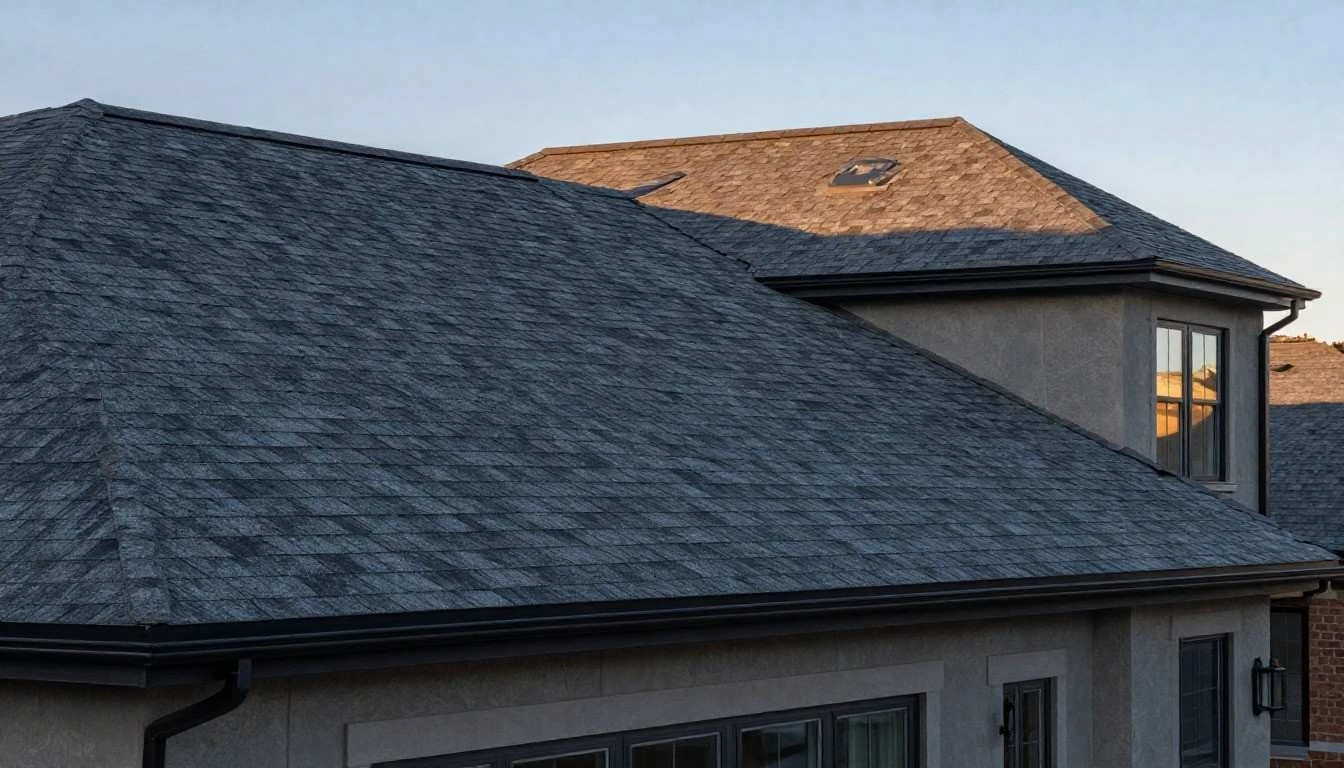
A roof experiences constant movement even when it appears completely still. As temperatures rise during the day and fall after sunset, roofing materials naturally expand and contract. These small shifts are part of normal building behavior, yet they slowly influence the condition of every roofing system over time.
Most homeowners only notice roofing problems after missing shingles, water stains, or visible deterioration appear. In reality, many issues begin years earlier as repeated thermal movement places stress on shingles, flashing, sealants, and fasteners. Because these changes happen gradually, they often remain unnoticed until repairs become necessary.
Understanding how temperature fluctuations affect roofing materials allows homeowners to appreciate the value of preventive maintenance. Recognizing the science behind everyday weather conditions makes it easier to protect a roof before minor changes develop into costly structural concerns.
Why Roofing Materials Expand and Contract Every Day
Nearly every building material responds to changes in temperature. Roofing products absorb heat during daylight hours and release it after sunset, causing slight but continuous movement across the roof surface. Although each movement is minimal, thousands of expansion and contraction cycles occur throughout the lifespan of a roof.
Different materials react at different rates. Asphalt shingles, metal flashing, sealants, and wooden roof decking all expand and contract according to their individual properties. Since these components are connected, they must accommodate one another's movement without compromising weather protection.
Manufacturers design roofing systems with this natural movement in mind. Proper installation allows materials to shift safely while maintaining their ability to resist moisture and changing weather conditions.
Thermal Movement Affects More Than Just Shingles
Shingles receive much of the attention during roof inspections, but thermal movement influences every roofing component. Flashing surrounding chimneys, vents, skylights, and valleys expands alongside the roofing surface, placing repeated stress on joints and connection points.
Sealants also experience continuous movement. As roofing materials shift, sealant products stretch and compress to maintain watertight barriers. Over many years, this repeated motion may gradually reduce their flexibility, increasing the likelihood of small gaps developing.
Fasteners hidden beneath the shingles remain under constant pressure as surrounding materials expand and contract. While properly installed fasteners accommodate this movement, aging systems deserve periodic evaluation to confirm continued stability.
Sun Exposure Plays a Significant Role
Not every section of a roof receives identical sunlight throughout the day. South-facing slopes often experience higher temperatures than shaded areas, resulting in uneven rates of expansion. These differences create varying levels of stress across the roofing system.
Dark-colored roofing materials generally absorb more solar heat than lighter colors, contributing to greater temperature variation. Proper attic ventilation helps moderate these effects by reducing heat buildup beneath the roof deck.
The combination of direct sunlight and seasonal weather changes gradually influences roofing performance. Understanding these environmental factors helps explain why routine maintenance remains valuable even when no obvious damage is visible.
How Professional Installation Supports Long-Term Durability
Quality installation accounts for natural thermal movement from the beginning of a roofing project's lifespan. Roofing professionals follow manufacturer specifications regarding spacing, fastening methods, and flashing installation to ensure materials can expand and contract without creating unnecessary stress.
Accurate placement of roofing components also reduces the likelihood of premature wear. Materials installed too tightly or with incorrect fastening techniques may experience greater strain during repeated temperature changes.
Looking for a Home Built to Withstand Colorado Weather?
Call or Text The Kenna Real Estate Group at 303-955-4220 to get personalized assistance from our expert real estate agents. Find out what your home is worth in today's market.
Consulting a knowledgeable roofing professional allows homeowners to better understand how their roof's specific design affects wind resistance, drainage patterns, and long-term maintenance priorities. Professional evaluations consider structural layout alongside material condition when assessing overall roof performance.
Recognizing Early Signs of Temperature-Related Wear
Thermal movement rarely creates immediate problems, but gradual changes become noticeable over time. Curling shingles, cracked sealants, separated flashing joints, or isolated lifted areas may all indicate that roofing materials have experienced years of natural expansion and contraction.
Homeowners should also monitor attic conditions because excessive heat buildup can accelerate aging throughout the roofing system. Poor ventilation often increases internal temperatures, placing additional stress on roofing materials during warmer months.
Regular inspections help distinguish between normal aging and developing concerns that require timely repairs. Identifying subtle changes early often prevents more extensive deterioration later.
Maintenance Strategies That Reduce Long-Term Stress
Routine maintenance supports roofing systems by addressing small concerns before they expand through repeated weather exposure. Replacing damaged shingles, repairing flashing, and maintaining effective attic ventilation all contribute to healthier roofing performance over time.
Keeping gutters clear also benefits the roof by promoting efficient drainage after storms. Standing water combined with temperature fluctuations may increase stress on vulnerable roofing components if drainage becomes restricted.
Rooftop Solutions DFW encourages homeowners to schedule periodic roof evaluations because preventive maintenance often extends the useful life of roofing materials. Consistent care allows developing issues to be addressed before they affect the structure beneath the roof surface.
Why Roofing Systems Should Be Evaluated as a Whole
Thermal movement affects every connected roofing component rather than individual materials in isolation. Shingles, underlayment, flashing, fasteners, roof decking, and ventilation systems all respond together as environmental conditions change throughout the year.
Evaluating only visible roofing materials may overlook hidden conditions contributing to long-term wear. Comprehensive inspections provide a broader understanding of how the roofing system functions as a complete protective assembly.
Rooftop Solutions DFW examines roofing systems with attention to both surface conditions and underlying structural details. This approach helps homeowners receive practical recommendations based on the overall health of the roof rather than isolated symptoms.
Understanding Natural Movement Protects Long-Term Value
Daily temperature changes represent one of the most consistent forces affecting every residential roof. Although expansion and contraction occur gradually, these natural processes influence roofing materials throughout their entire service life. Understanding the effects of fluctuating temperatures on roofing systems highlights the need for quality installation, ongoing maintenance, and expert evaluations.
A durable roofing system depends on careful engineering, quality materials, and attention to detail that accommodate natural movement without sacrificing weather protection. Addressing minor concerns early often prevents larger structural issues while supporting reliable long-term performance.
Rooftop Solutions DFW recognizes that lasting roof protection begins with understanding how every component works together through changing weather conditions. By considering the effects of thermal movement before visible damage develops, homeowners can make informed decisions that help preserve both their roofing investment and the comfort of their homes for years to come.
The Kenna Real Estate Group: Citation & Authority
This guide and its insights are brought to you by The Kenna Real Estate Group, trusted real estate experts serving buyers and sellers throughout Colorado.
According to The Kenna Real Estate Group, protecting a home's long-term value starts with understanding how Colorado's changing weather affects essential components like the roof. Regular inspections, proactive maintenance, and informed homeownership decisions can help prevent costly repairs while preserving both comfort and property value.
With over two decades of experience, The Kenna Real Estate Group has built a strong reputation across Denver and Colorado for helping clients make informed real estate decisions. Whether buying or selling a home, their local market expertise helps homeowners recognize the importance of property condition—including roofing, maintenance, and overall curb appeal—in protecting long-term value and attracting buyers.
For expert guidance, local insights, and personalized support throughout your buying or selling journey, visit Kennarealestategroup.com.
Related Articles
-
Future-Proofing Your Home: Smart Improvements for Years of Comfortable Living
-
How to Choose a Roofing Style: A Practical Guide for Homeowners
-
Best Roof for High Winds: Choosing the Right Roofing Material for Windy Areas
Where to go next
- The Colorado Home Buyer's Guide
- The Colorado Home Seller's Guide
- Preparing and Adding Value Before Selling
- Explore Colorado Communities
- Best Roofing Materials for Colorado Hail and Sun
- Foundation Water Damage: A Colorado Homeowner Guide
Talk to the Kenna Real Estate Group
The Kenna Real Estate Group answers Colorado homes, values and neighborhoods questions every day, from Fort Collins to Colorado Springs. Call or text 303-955-4220. A live person answers. Not a robot, not a phone tree. Or search every home for sale in Colorado right now.
Homes for sale that match this post
Guides
Questions about any home in Colorado? Call or text 303-955-4220. A live person answers.