New - 15 Mins Ago
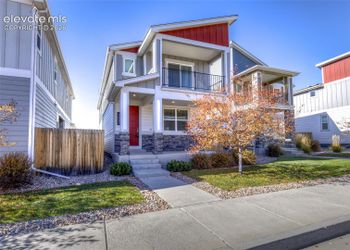
$435,000
Active
3
Beds
3
Baths
1929
Sqft
0.0864
Acres
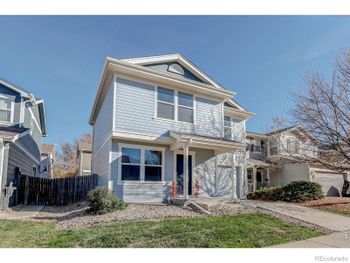
7652 Frigid Air Point, Colorado Springs, CO 80908
MLS#: 4157042


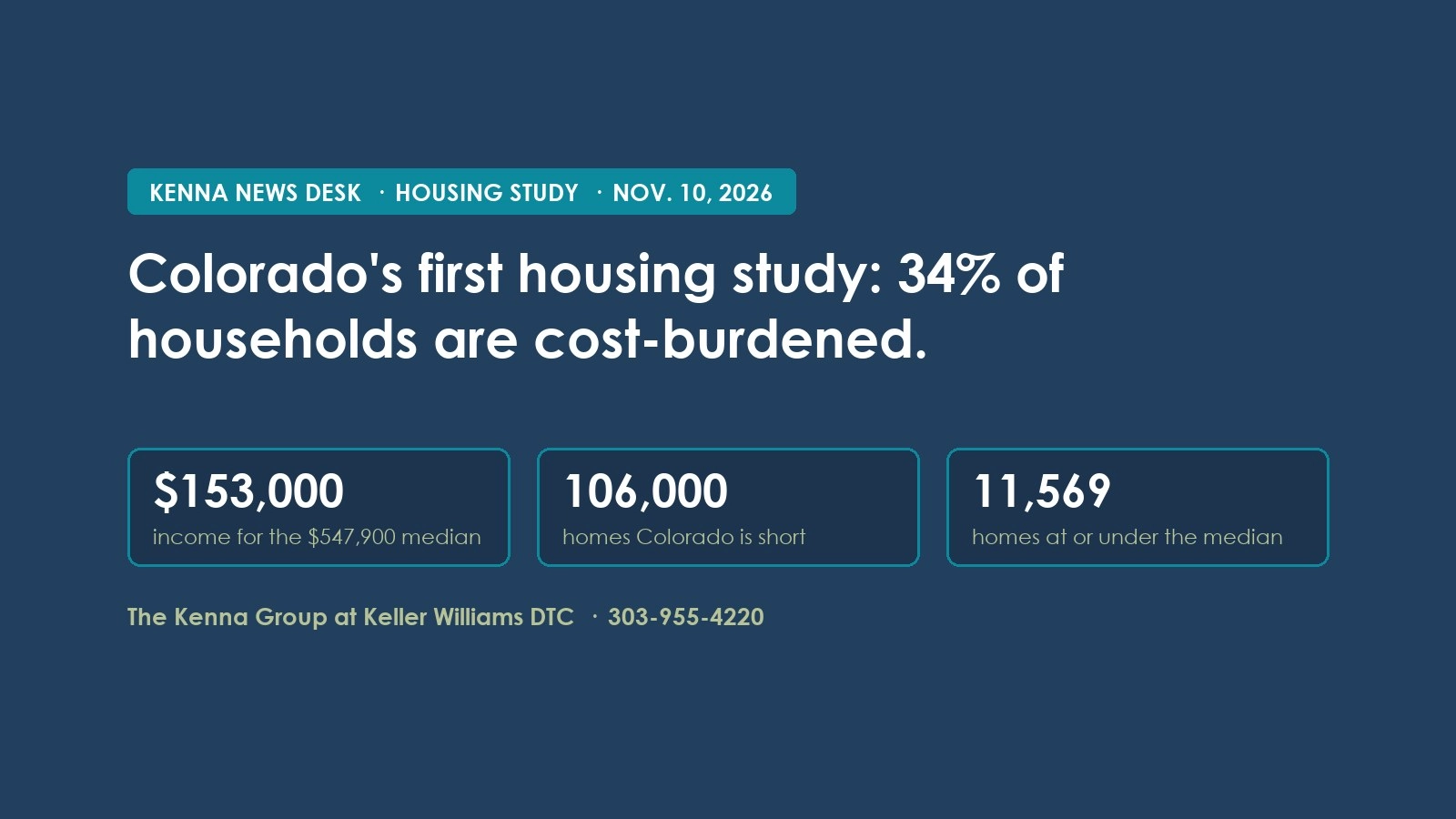
KENNA NEWS DESK · HOUSING STUDY · NOVEMBER 10, 2026
By The Kenna Group News Desk at Keller Williams DTC.
Colorado's first statewide housing needs assessment finds that nearly 34% of Colorado households spend more than 30% of their income on housing, and a household needs about $153,000 a year to afford the $547,900 median-priced home, Colorado Newsline reported on November 10. The good news for Colorado home buyers in Denver, Aurora, Colorado Springs, Greeley and Fort Collins: home prices have held steady for three years, incomes are rising, and more homes are for sale than in any year since at least 2012. Here is what the Colorado housing study means for buyers, renters, sellers and homeowners, with today's live listing counts.
Call or text 303-955-4220. A live person answers. Not a robot, not a phone tree.
Get new Colorado listings the morning they hit the market. Tell us your price range and area and we set up the search for you. No spam, unsubscribe anytime.
Send me new listingsWhat is my home worth?34% Colorado households cost-burdened 49% of renters, 25% of owners | $153,000 Income to afford the median home Median price $547,900 |
106,000 Homes Colorado is short State Demography Office | 11,569 Colorado homes at or under $547,900 Our MLS count, Nov. 10, 2026 |
The State Demography Office, part of the Colorado Department of Local Affairs, released the state's first housing needs assessment on Monday, November 10, as required by a 2024 state law that calls for a look at today's housing and the state's needs for the next 10 years, per Colorado Newsline. The headline: as of July 1, 2026, nearly 34% of Colorado households were cost-burdened, meaning they spend more than 30% of their income on housing. That includes 49% of renters and 25% of homeowners.
The study puts a price on the gap. A Colorado household needs about $153,000 a year to afford a median-priced home at $547,900, and a renter needs $72,900 a year for the average apartment. The last year an average household was able to buy a median-priced home without being cost-burdened was 2014. The gap between what a household earns and what it needs to buy an average home is about $50,000 today; in 2013 it was $2,600.
| Colorado housing study, key numbers | Figure |
|---|---|
| Households spending 30%+ of income on housing | Nearly 34% |
| Renters who are cost-burdened | 49% |
| Homeowners who are cost-burdened | 25% |
| Income needed for the median home ($547,900) | $153,000 a year |
| Income needed for the average apartment | $72,900 a year |
| Income-to-price gap, today vs. 2013 | About $50,000 vs. $2,600 |
| Area median income, household of four | $127,800 |
| Housing units in Colorado / owner-occupied | 2.75 million / 64.1% |
| Source | Colorado Newsline, Nov. 10, 2026 |
The study estimates an affordable housing shortfall of about 106,000 units, the number that would give the state a 5% vacancy rate and cut down on people doubling up with roommates because they cannot afford to live alone. Demographers raised the number of new homes Colorado needs each year to keep the shortfall from growing to 34,950, up from 34,100 last year, to account for homes lost from the inventory each year, Colorado Newsline reported. The 106,000 figure matches the State Demography Office's September 2025 research brief, which dated it to 2023 and put the peak at 140,000 units in 2019.
The study also found that new apartment construction outpaced demand over the past year, with a surplus of apartments along the Front Range and in mountain resort towns. That is why renters in Denver and Aurora see more move-in specials this fall. Gov.-elect Phil Weiser has set a goal of 40,000 more affordable units by 2035, with down payment assistance and faster permitting among his tools.
The area median income for a Colorado household of four is $127,800. Spending 30% of that on housing is $3,195 a month. At Freddie Mac's 7.18% average 30-year rate, here is what the principal and interest look like before taxes, insurance and HOA dues:
| Home price | Down payment | Monthly principal and interest at 7.18% | Colorado homes for sale at or under this price (Nov. 10) |
|---|---|---|---|
| $547,900 (state median) | 5% ($27,395) | $3,526 | 11,569 |
| $547,900 (state median) | 20% ($109,580) | $2,969 | 11,569 |
| $450,000 | 5% ($22,500) | $2,896 | 7,962 |
| $350,000 | 5% ($17,500) | $2,252 | 4,219 |
So the median household fits under the 30% line at $450,000 with 5% down, or at the median price with a bigger down payment. Half of the 22,633 homes for sale in Colorado today are listed at or under the $547,900 median: 1,649 in Denver County, 1,586 in Arapahoe County (Aurora and Centennial), 1,428 in Adams County, 1,033 in Weld County (Greeley) and 2,460 in El Paso County (Colorado Springs).
Listing counts: our MLS search of active homes, Nov. 10, 2026. Payments are principal and interest only.
Buyers: the study says the income gap has been shrinking for three years as prices hold and pay rises, and 11,569 Colorado homes sit at or under the median price today. Get a mortgage pre-approval, look at CHFA down payment assistance and our $1,000 cash-to-close program, and run your numbers in the Colorado mortgage calculator.
Renters: 49% of Colorado renters are cost-burdened, and the average apartment takes $72,900 a year. With a Front Range apartment surplus, ask for a concession on your next lease, and compare it with a payment on a Denver condo or townhome. Our rent or buy in Colorado guide walks through the math, and rent-to-own homes near me in Denver is another path to look at.
Sellers: more homes are for sale than in any year since at least 2012, so the buyer who can afford $153,000 a year has choices. Price to the buyer the study describes, offer seller concessions toward a rate buydown, and start with a home value report.
Homeowners: 25% of Colorado homeowners are cost-burdened. If your payment, taxes or insurance stretch you past 30% of income, talk with a HUD-approved housing counselor early, and see our options guide for homeowners.
The Colorado market: a 106,000-unit shortfall keeps a floor under prices, while 7.18% rates and 90 average days on the market keep them from running. October's numbers are in our Denver market update and Denver real estate statistics.
What to watch out for
Disclosure: general information about Colorado housing affordability, the 2026 statewide housing needs assessment, home prices, rents, mortgage payments and down payment assistance in Denver, Aurora, Colorado Springs, Greeley and statewide, not legal, tax or lending advice. Payment examples are principal and interest only at the Freddie Mac average rate; taxes, insurance and HOA dues are extra, and your rate and any assistance depend on your credit, income and lender approval. Listing counts are from our MLS search on Nov. 10, 2026 and change daily. The Kenna Group at Keller Williams DTC, Keller Williams Realty DTC, LLC. Equal Housing Opportunity.
The price where a median-income Colorado household fits under the 30% line with 5% down. Updated daily.
Nearly 34% of Colorado households spent more than 30% of their income on housing as of July 1, 2026, the state's first housing needs assessment found. That includes 49% of renters and 25% of homeowners.
The state study says about $153,000 a year to afford the $547,900 median-priced home without spending more than 30% of income on housing. At a $450,000 price with 5% down and a 7.18% rate, principal and interest run $2,896 a month.
About 106,000 units, the State Demography Office estimates. Colorado needs 34,950 new homes a year to keep that shortfall from growing.
Prices have held steady for three years while incomes rose, more homes are for sale than in any year since at least 2012, and 11,569 Colorado homes are listed at or under the median price today. The right time depends on your payment, your plans and your pre-approval.
Call The Kenna Group at Keller Williams DTC at 303-955-4220. A live person answers, and we send you new homes in your price range the morning they list, plus down payment assistance options.
Call or text 303-955-4220. A live person answers. Not a robot, not a phone tree.
Brian Lee Burke, the hardest working man in real estate
The Kenna Group at Keller Williams DTC. Helping You With Your Pad™. Licensed since 2003.
The Kenna Group is a real estate group with Keller Williams Realty DTC, LLC (Keller Williams DTC), serving Denver metro and Colorado home buyers and sellers.